
The 10 ideas below run from water regrowing jars on a windowsill to a vertical hydroponic tower that needs a protected outdoor outlet, so the deciding factor is how much floor you actually have and whether you can change it.
If you rent and cannot alter the space, microgreens under lights or a grow bag that lifts flat in fall are your options; if you own a side yard, the narrow corrugated metal bed turns gravel into productive ground.
A determinate cherry tomato in terracotta, checked daily in July heat, proves even a single pot demands attention to container material and watering rhythm, not just the plant.
[link-whisper-related-posts]1. Trellises for Climbing Vegetables
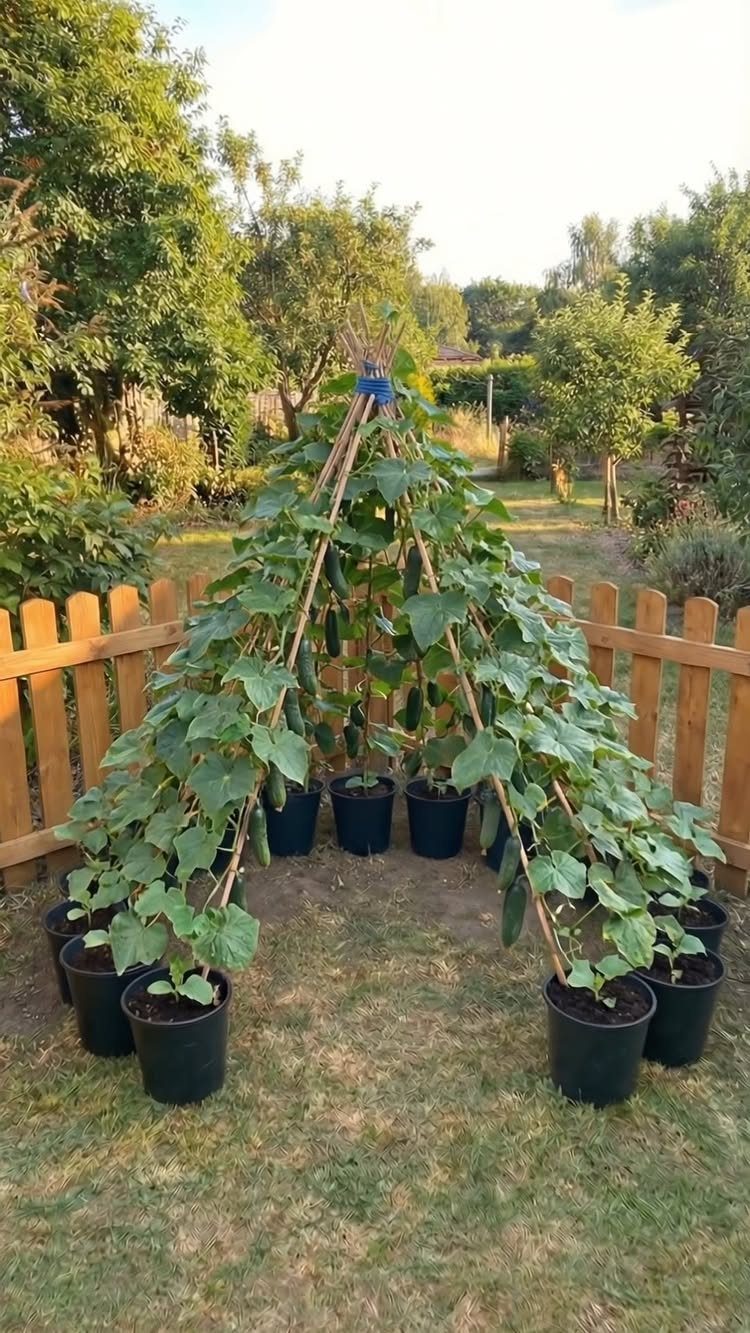
A teepee trellis turns a few bamboo stakes and some twine into a climbable frame that keeps cucumbers off the ground and the footprint small.
I would check that your variety actually climbs; bush cucumbers exist and will not use the structure. Cucumbers need plenty of root room, so I would use the largest container I have rather than guessing at capacity.
2. Vegetable Containers
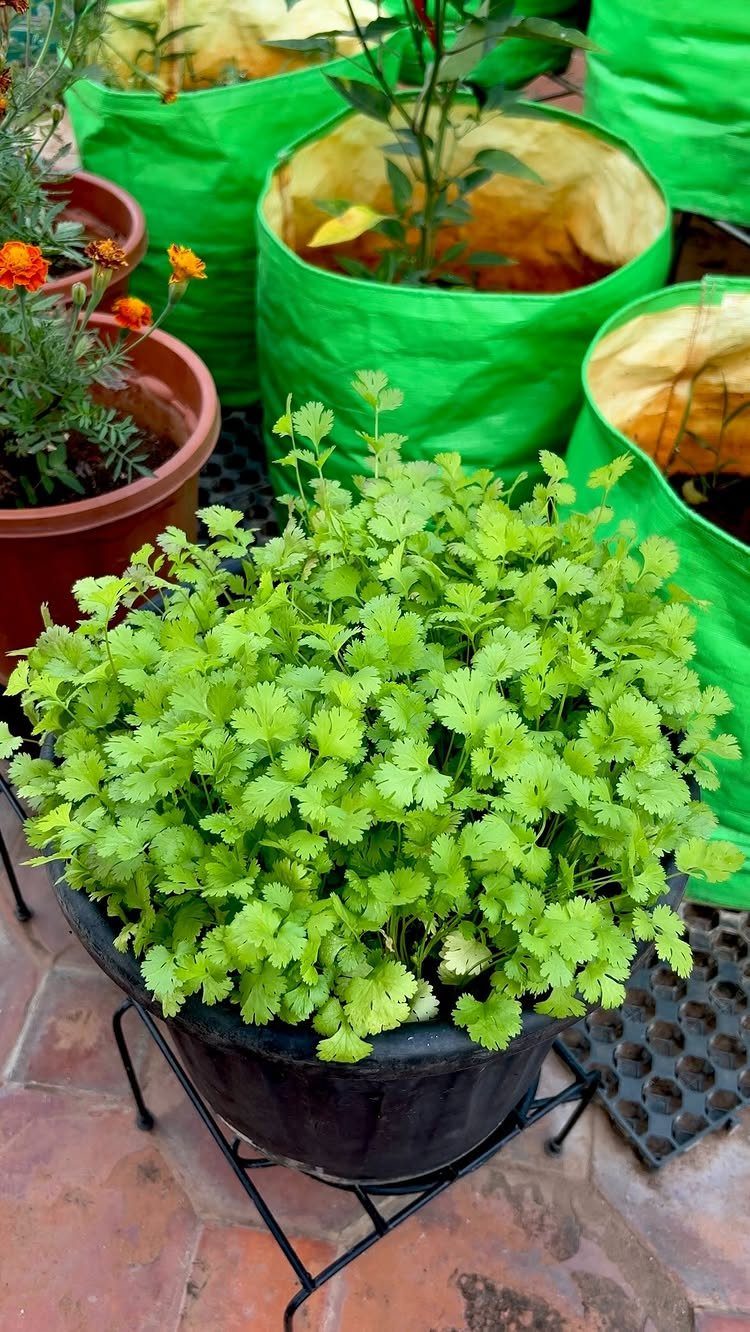
Growing vegetables in containers means you move the garden to whatever square footage you have: a patio, a balcony, or a strip of concrete.
I would decide first whether I want to move things seasonally; pots with saucers stay put, but grow bags lift and store flat once emptied.
3. Grow Microgreens Indoors
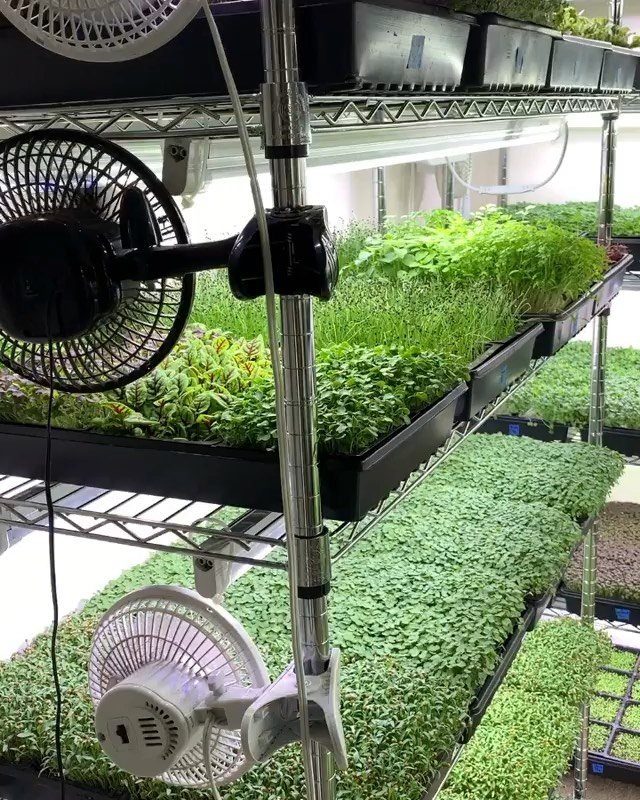
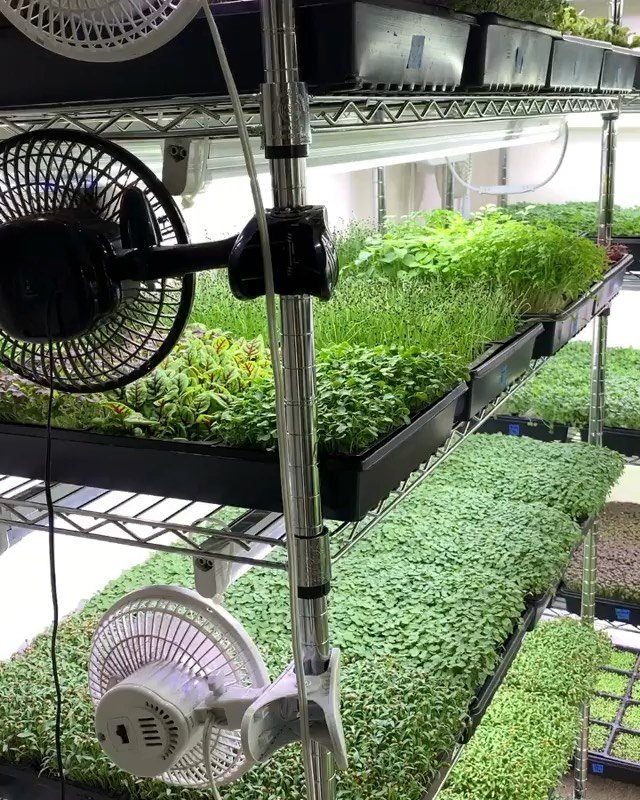
Microgreens are the fastest harvest in gardening, ready in 7 to 14 days under lights.
I would not skip the fans; still air invites mold on dense seedlings. The entire system fits against a wall or in a closet, so it works for renters who cannot alter a space.
4. Cherry Tomatoes, the Small Garden Superstar
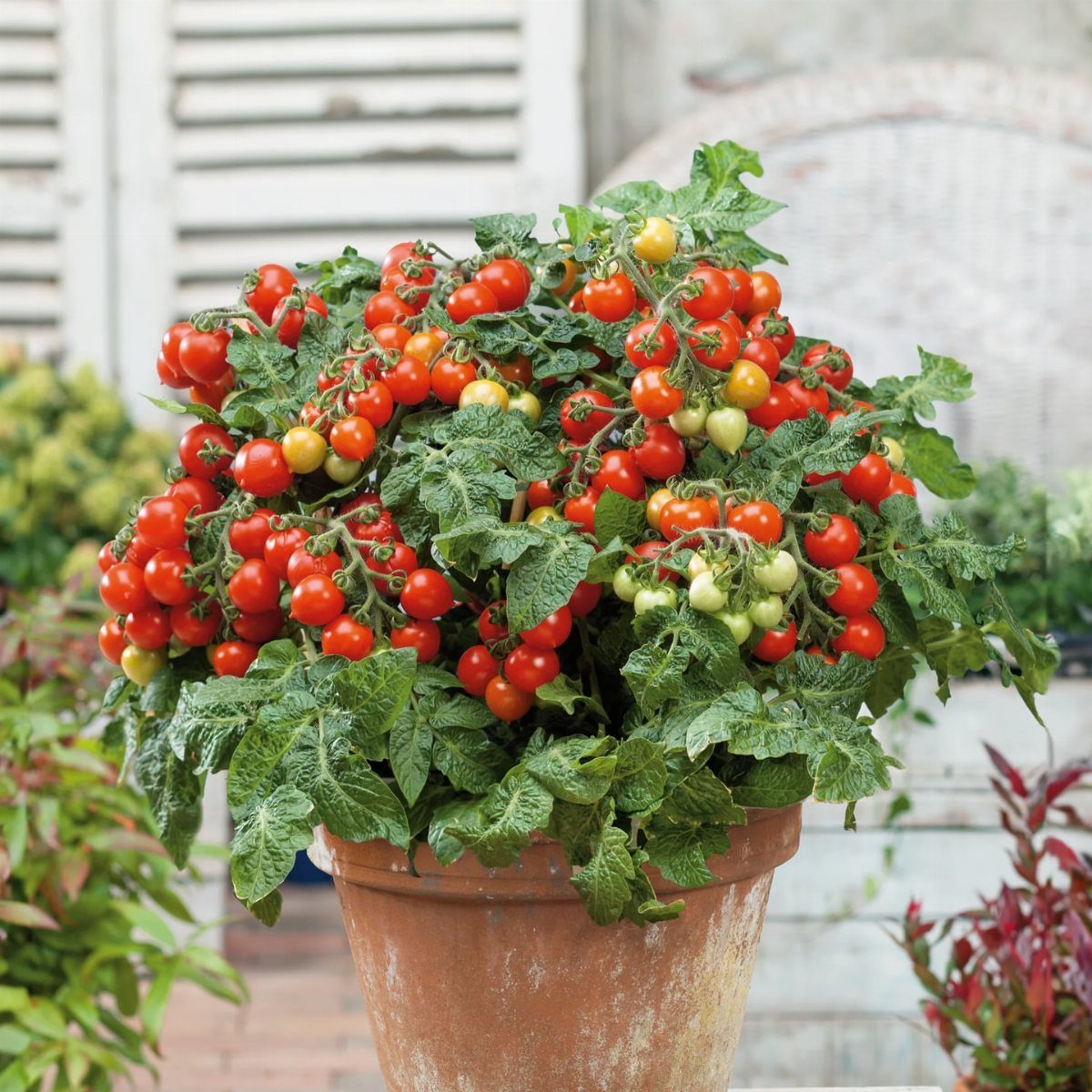
A determinate cherry tomato gives you its whole crop over a concentrated few weeks, then stops.
That suits a gardener who wants a big summer haul for freezing or sauce, not a steady sandwich tomato through October. Terracotta is porous, which means more frequent watering in heat; I would check it daily in July and August.
5. Cucumbers, the Climbing Space Saver
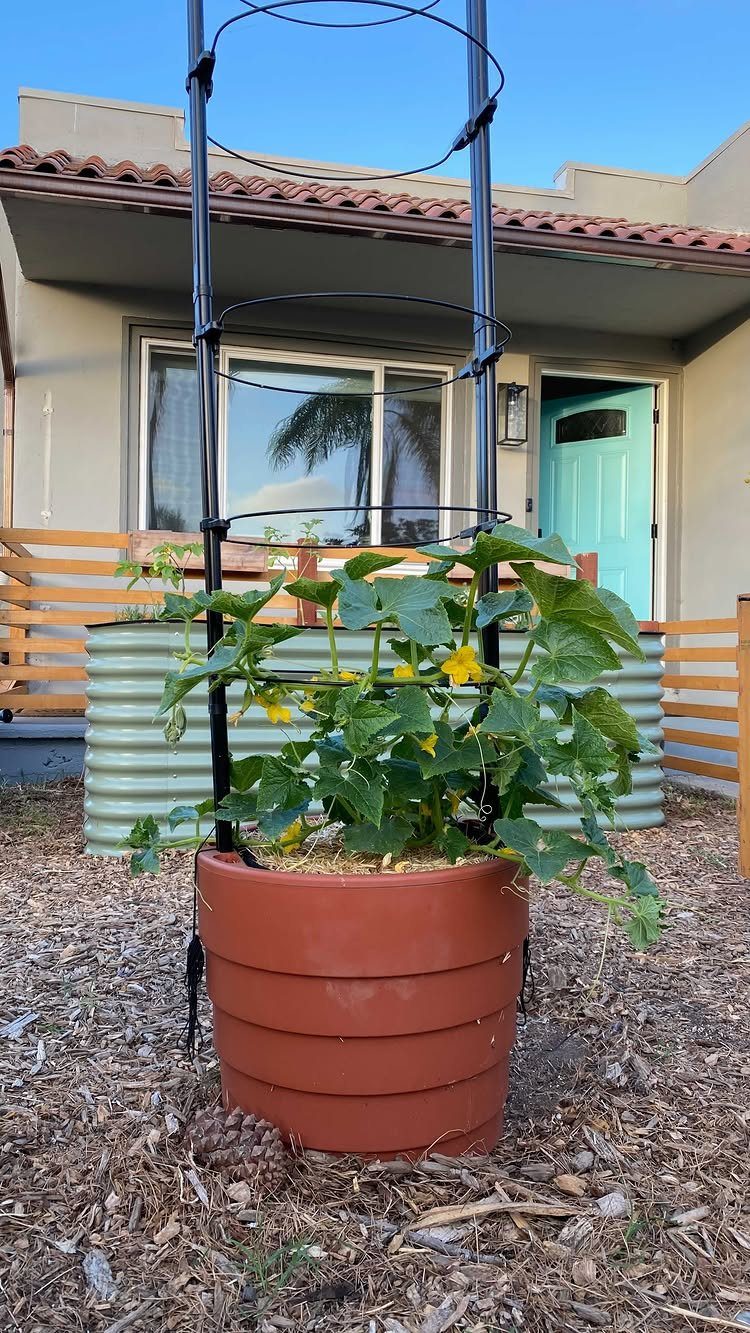
Cucumbers climb if you let them, and a semi-bush variety on a cage or trellis can deliver around 20 fruits from one plant without sprawling across the yard.
Yellow flowers are your sign the plant is working; a pot against the house and a freestanding one both show the same principle.
I would use the largest container I have and set the trellis at planting, not after the vines have already tangled.
6. Narrow Metal Raised Beds
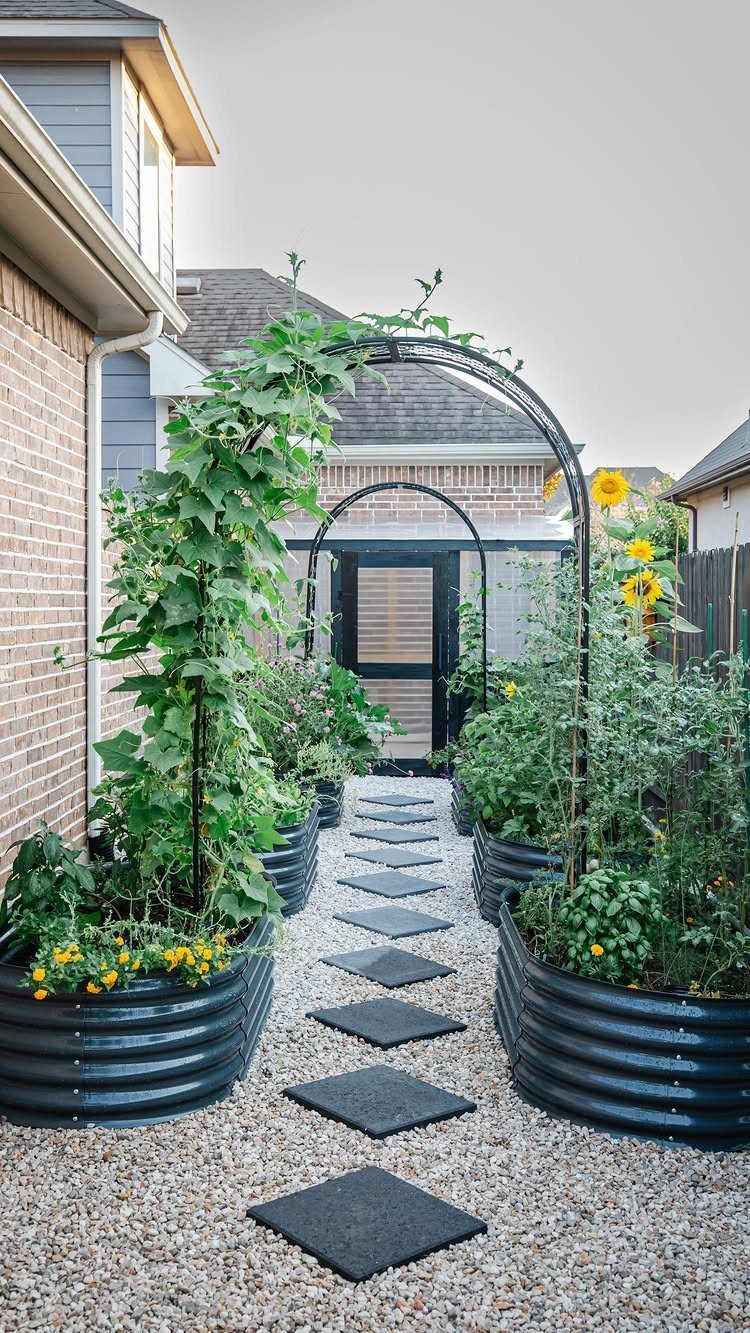
Corrugated metal raised beds set in a narrow side yard turn a gravel walkway into productive ground without widening the path. Arched trellises overhead let climbing plants use vertical space that would otherwise sit empty.
I would measure my passage first; these beds are long and narrow, so you need stepping stones or enough width to kneel beside them without blocking the walk.
7. Vertical Hydroponic Tower
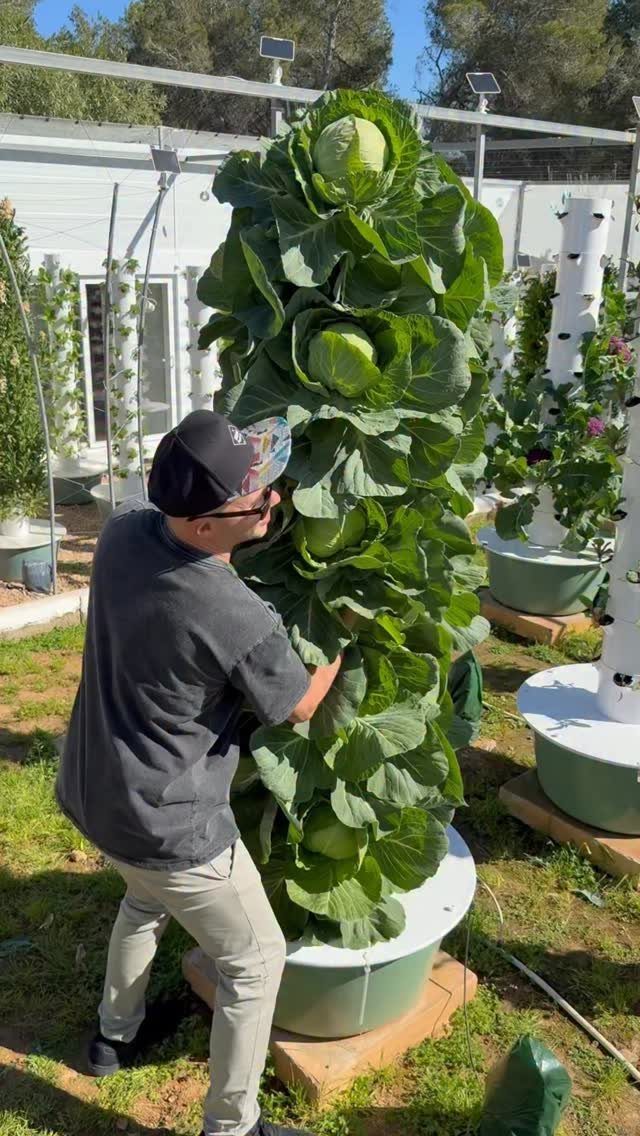
A vertical hydroponic tower stacks plants in a circulating water column that feeds roots directly, no soil needed. A tower this tall needs a stable base or anchoring against wind, especially once the cabbage fills out.
I would check my water source; these systems run on electricity for pumps, so an outdoor setup needs a protected outlet or a long cord plan.
Nutrient solution is bought, not mixed from garden compost, so factor that into running cost. The footprint stays compact, but the height commands space visually; I would measure my balcony railing or patio roof first.
8. Tiered Plant Stand Setup
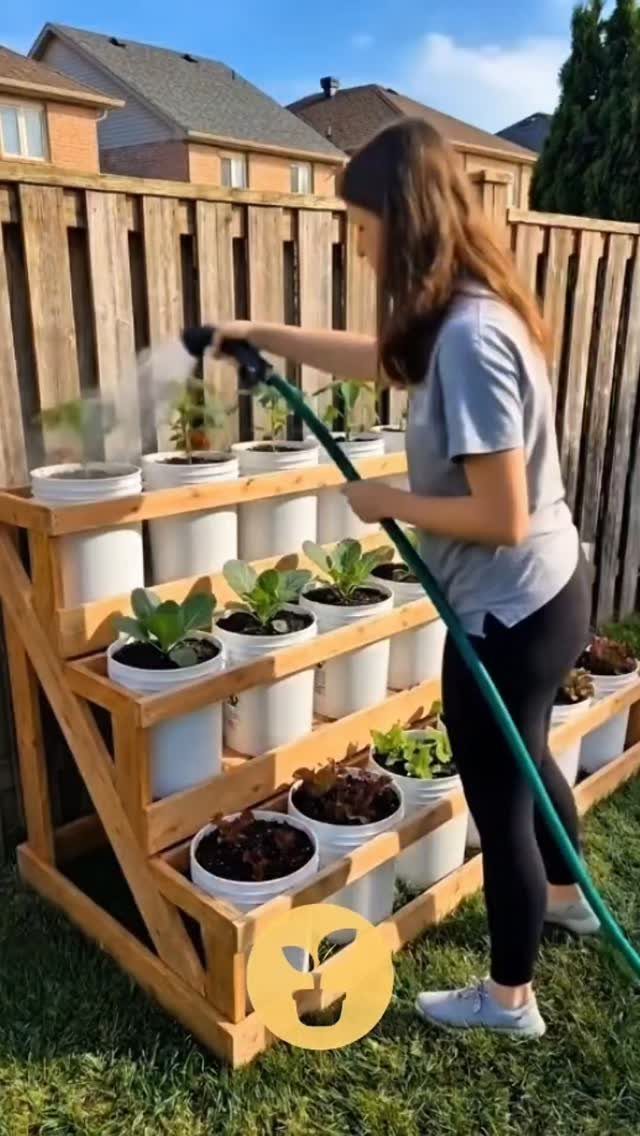
Buckets on a tiered stand against a fence give you three or four times the growing surface in the same floor area, which matters when your yard ends at the fence line.
Wood stands slanted back so each tier catches sun without shading the one below; I would build or buy with that angle in mind, not vertical shelves.
Drainage holes in the buckets are non-negotiable, and the bottom tier sits closest to wet grass or splashback, so I would use cedar or a rot-resistant species, or plan to replace in a few seasons.
Weight adds up fast with wet soil; I would check that the stand feet sit level and do not sink.
9. Hanging Bucket Planter
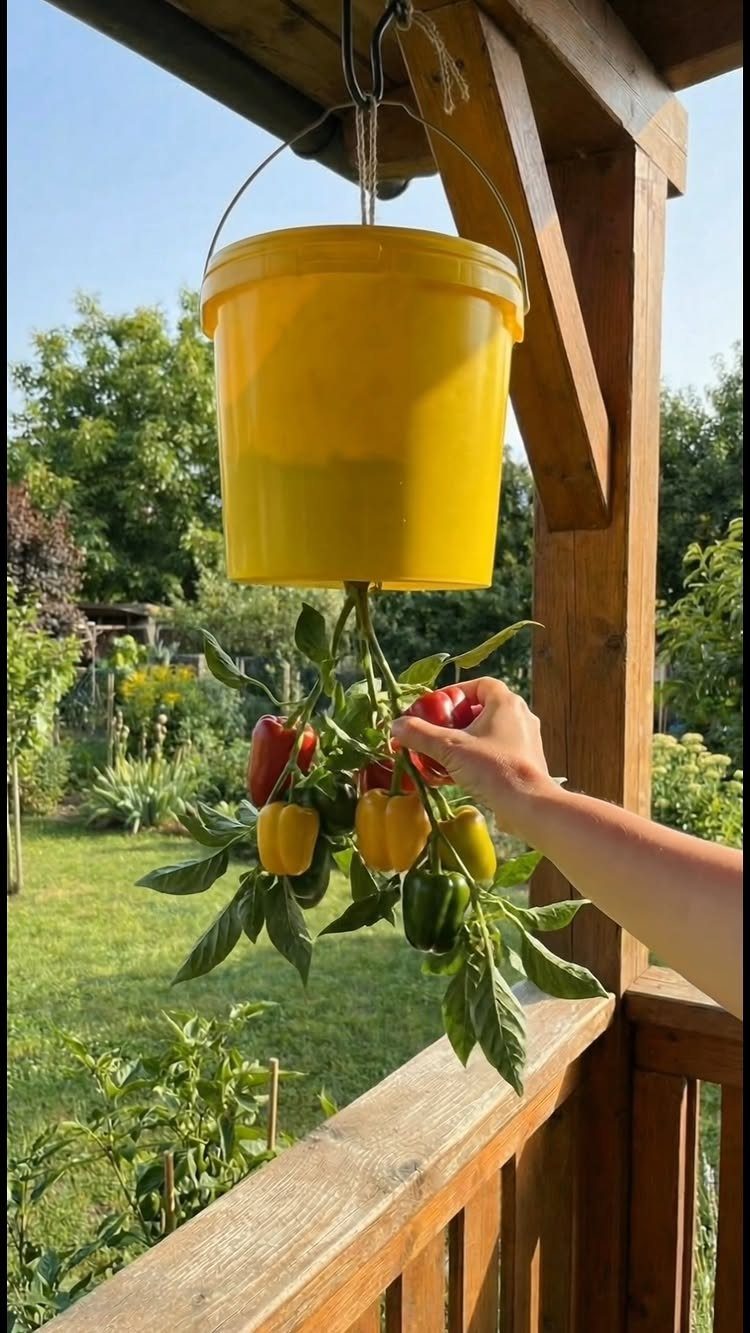
An upside-down bucket planter suspends the plant from its base, roots growing upward into soil held in by a fitted lid or collar, the stem dangling below.
Peppers fruit fine upside down; I had wondered whether gravity confused the plant, but it does not.
Bucket color matters for heat: dark plastic warms roots, which peppers like, but in a Texas August I might want a lighter color than that yellow to keep soil from cooking.
I would use a five-gallon bucket for root room, smaller ones dry out too fast, and I would hang it from a beam that can take the weight wet, not just a screw eye in soft wood.
10. Windowsill Water Regrowing Jars
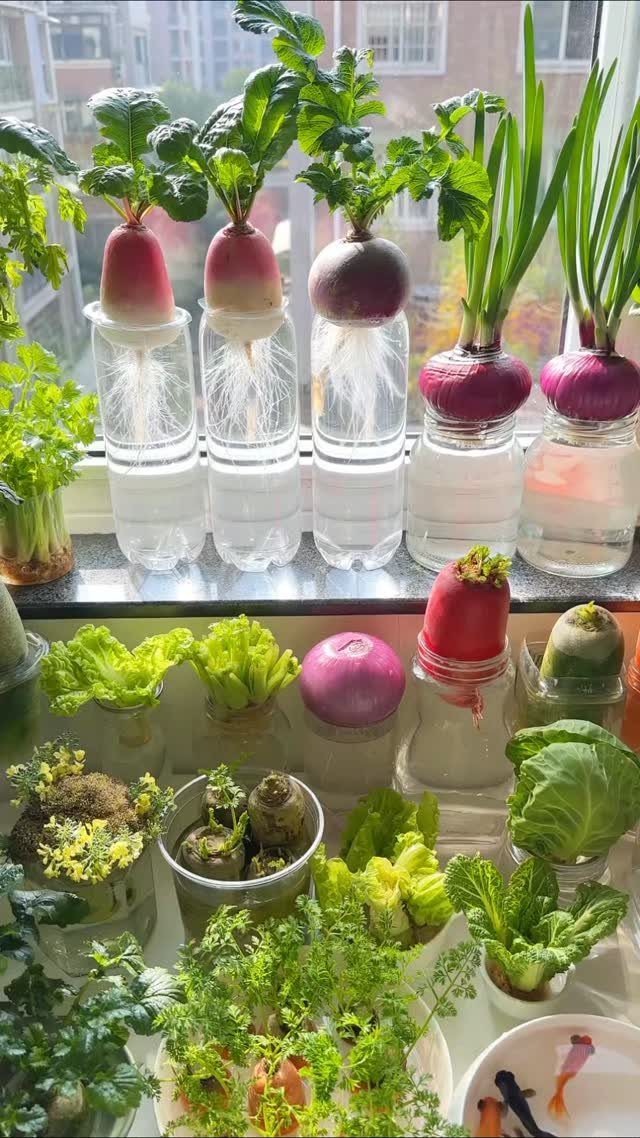
Regrowing scraps in water jars keeps a cut base alive until it rebuilds roots and fresh leaves, no soil or outdoor space required.
I would change water every couple days to keep it from turning cloudy and smelling, and I would snip what grows rather than waiting for a full head, since these water roots are weaker than soil-grown and the plant tires eventually.
Depth matters: shallow jam jars tip when green onion tops get tall, so I would use a jar that fits the scrap with an inch below and stability to spare.
Best Vegetables for Small Spaces
Cherry tomatoes, compact peppers, and radishes are the picks I would reach for first when square footage is tight.
Radishes mature fast enough that you can pull one crop and seed another in the same pot before summer peaks. Compact peppers fit a container without staking and fruit steadily once nights stay warm.
I would skip bush beans even though they are often recommended for pots.
A climbing bean on a short trellis uses the air above the pot and gives more pods in the same footprint, the same trick that works for cucumbers.
Dwarf tomatoes are another option I would consider: heirloom-style dwarfs top out around 4 feet, manageable on a balcony railing or against a wall, with fruiting stems dense enough to matter.
If you are just starting out and have limited space, look for descriptions like “patio”, “compact”, “great for pots”, “container”, etc. Burpee seeds also have a clay pot decal on all their seed packets that will do well in pots or small spaces.
Watering Techniques
Containers dry out faster than ground beds, and the fix is not more water at once but checking more often.
I would stick a finger into the pot before I reach for the can; wilting can mean drowning, not thirst, especially if drainage holes are missing or clogged.
Lifting the container is another trick I use, since a fully watered pot weighs noticeably more than a dry one.
Drip irrigation is efficient if you have several pots in a cluster, but a single balcony planter rarely justifies the setup.
For a handful of containers, I would rather build the check into a daily routine, morning or evening, and water only what needs it.
Consistency matters more than volume: a plant that swings between dust and flood stresses, and stressed plants draw pests faster than healthy ones.
If saucers sit under your pots, empty them after heavy rain so roots do not sit in standing water.
Soil Quality Importance
Garden soil is too heavy for pots.
It compacts, roots suffocate, and water sits instead of moving through. I buy bagged potting mix and do not try to stretch it with backyard dirt, even for a large container that needs filling.
Compost mixed in at planting time adds organic matter, and a slow-release fertilizer worked into the top few inches feeds roots steadily without the guesswork of weekly liquid feeding.
Coir-based mixes have largely replaced peat where I shop; they hold water similarly and the sourcing is cleaner. The label is worth checking, since some blends still use peat.
The largest pot you can manage is worth the soil it takes.
A cherry tomato in a small pot is possible but harder; the root room and moisture buffer of a bigger container pay off in July heat when you cannot check twice a day.
If weight is a concern on a balcony, I would look for lightweight resin or fabric rather than downsizing the soil volume.
Frequently Asked Questions
What are the easiest vegetables to grow in a small space?
If I had to start someone off with 3 foolproof crops, I’d hand them radish seed, a cherry tomato transplant, and a compact pepper like a Lunchbox variety.
Radishes mature fastest and let you squeeze in a second crop before summer peaks.
Cherry tomatoes and compact peppers are forgiving starters for a small space; peppers need no staking, and determinate cherry types give you one concentrated harvest rather than a trickle all season.
Bush beans sit there and take up ground; I’d rather run climbing beans up a short trellis and pull twice the harvest from the same square feet.
What is the best layout for a small vegetable garden?
Block planting and vertical growth are the 2 moves that matter most. A teepee trellis, tiered plant stand, or arched trellis over a narrow bed all let plants use air space instead of ground space.
I put the largest plants where they will not shade smaller ones, and I set structures at planting time rather than wrestling vines later.





