
These 16 quick garden ideas run from free prunings to a bistro set that folds flat for winter, and the one that fits you depends on whether you are gardening on a rental patio or a yard you own.
String lights and cork skewers you already own for plant markers land in the lower range; raised cedar beds and a drip system on a timer ask for more cash and a Saturday of assembly.
A potager garden mixes herbs and flowers with vegetables so the whole thing looks intentional from the curb, vertical planters screw straight into a fence rail, and gravel paths settle firm underfoot after one weekend of raking.
[link-whisper-related-posts]1. Container Gardening
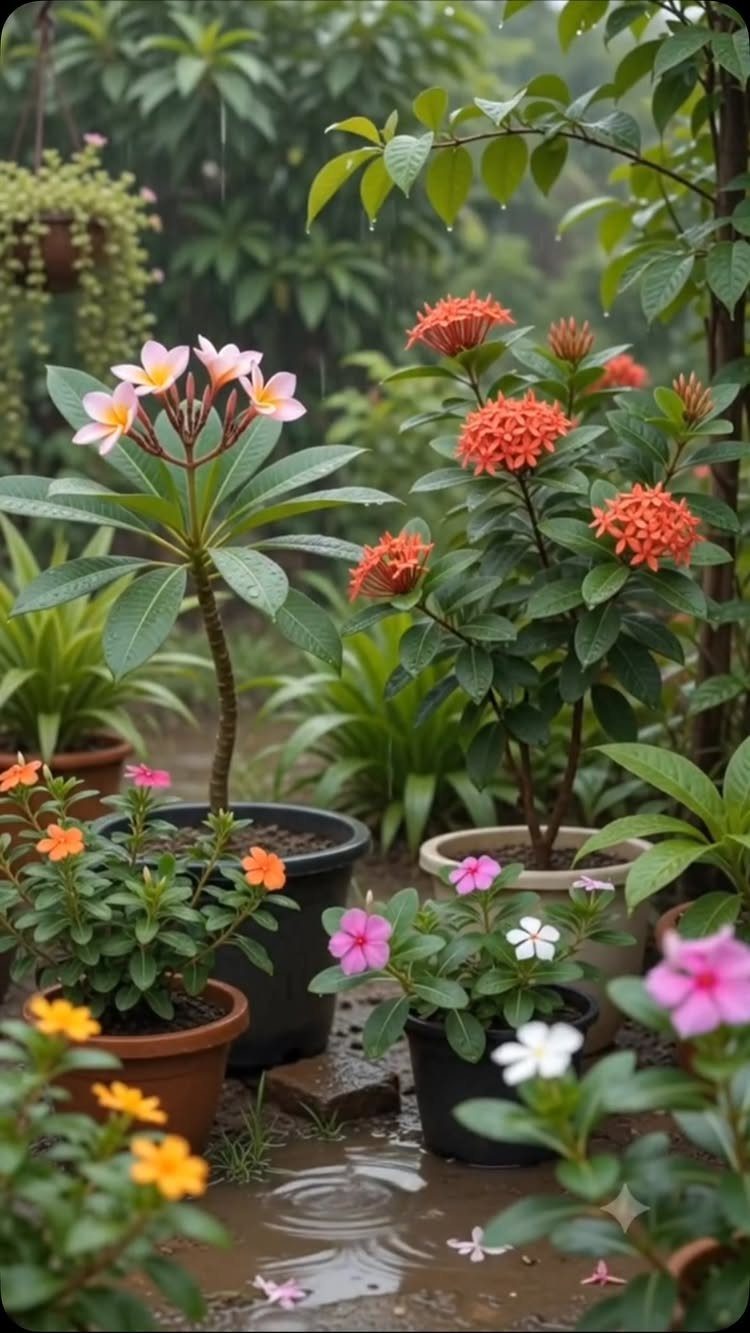
Pots let you move your garden wherever the sun goes, which matters when you are renting or still learning your yard’s patterns. I start with 5-gallon containers for most flowers; anything smaller dries out too fast on a hot Saturday.
For cuttings like the plumeria and ixora shown, monsoon-season humidity helps them root, though I have better luck starting those in a shaded corner than in direct rain.
One person who grew these says she takes her cuttings right as the heavy rains begin.
2. Raised Garden Beds
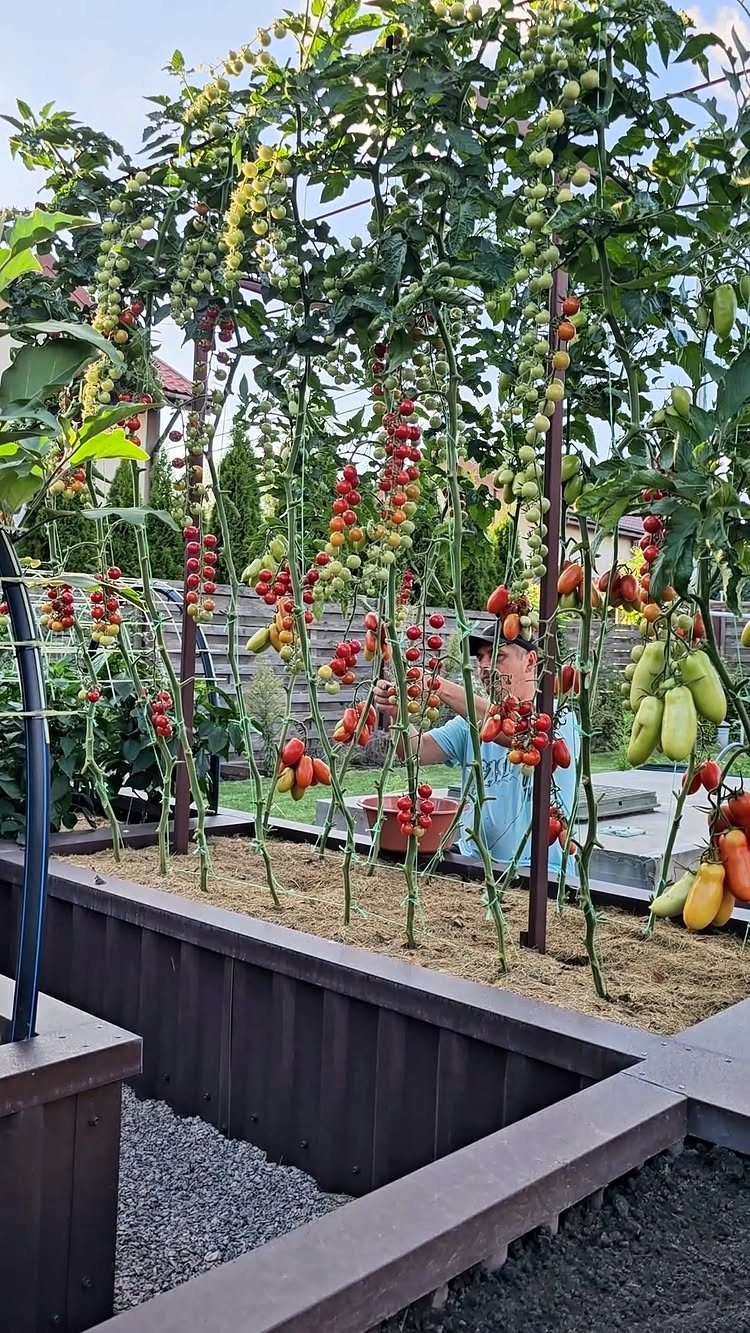
Tomatoes in a raised bed warm up faster, drain better, and save your back if you build high enough to work standing up. I would go at least that tall for indeterminate varieties that keep climbing.
What I would watch is spacing: tomato plants can sprawl more than you expect, so a single beefsteak can swallow most of a raised bed on its own.
I build mine from untreated cedar; pressure-treated lumber is cheaper but I do not want those chemicals near anything I eat. A bed that size holds plenty of plants if you choose wisely and do not crowd them.
3. Potager Garden
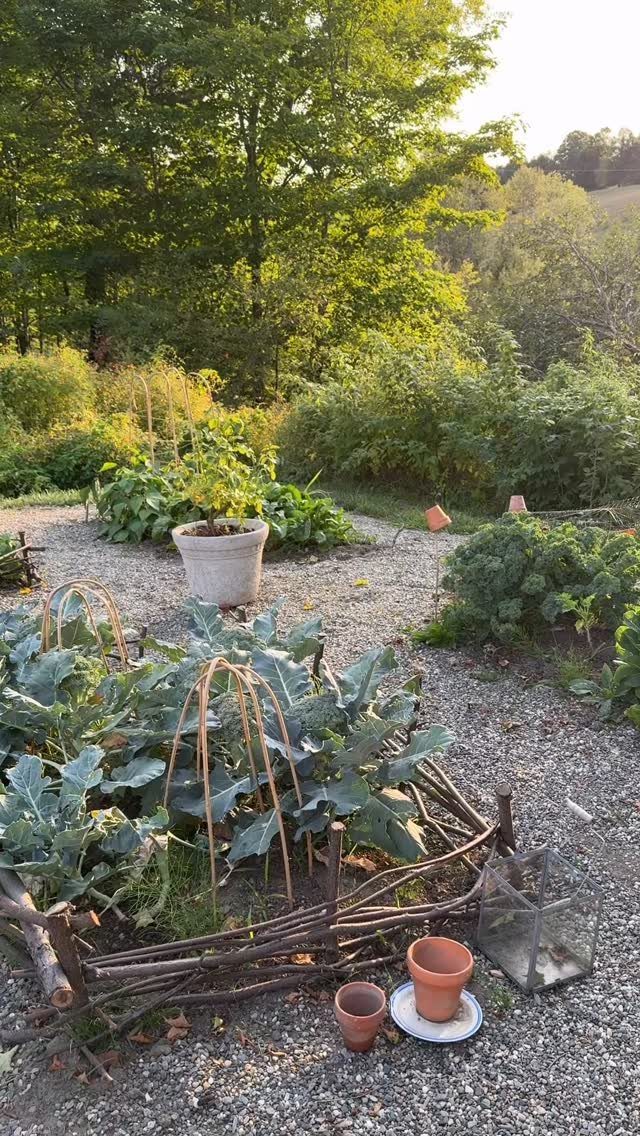
A potager mixes vegetables and flowers in beds laid out for looks as much as harvest, which suits me because I garden where neighbors see it.
Woven branch borders hammered deep and spaced apart work well; one builder used branches cut short enough to stay rigid but long enough to grip the soil.
That rustic edging costs nothing if you have prunings, though I would soak the wood first so it bends without snapping.
Gravel paths between beds keep mud off your shoes and let you work right after rain. I would plant kale and broccoli now, add marigolds at the corners for color, and not worry too much about straight lines.
4. Vertical Gardening
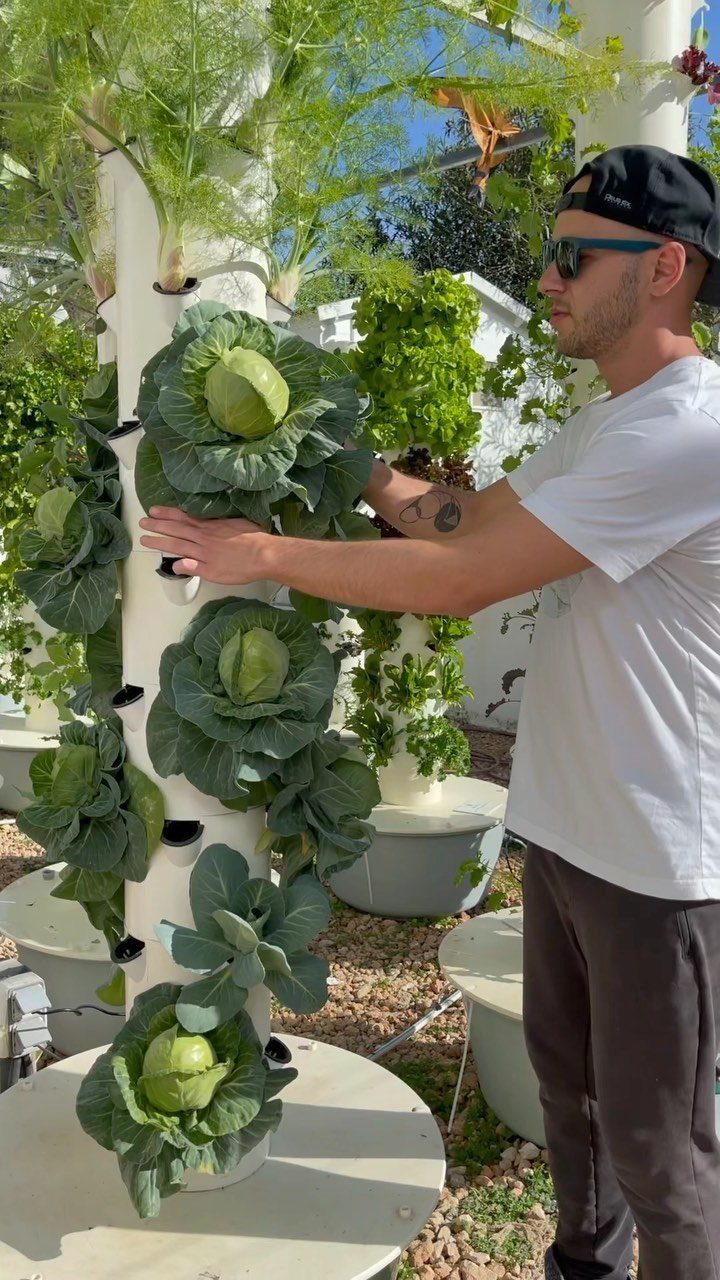
A hydroponic tower grows cabbages and herbs upward, which buys you back ground space on a small patio or balcony.
Before you buy, check 2 things: whether your setup needs electricity for a pump, and whether you have enough daily sun on that wall.
I would start with a single tower and see how your light holds up through the season before expanding. Leafy greens and herbs handle this better than fruiting plants, which need more root room than most towers give.
5. Hanging Baskets
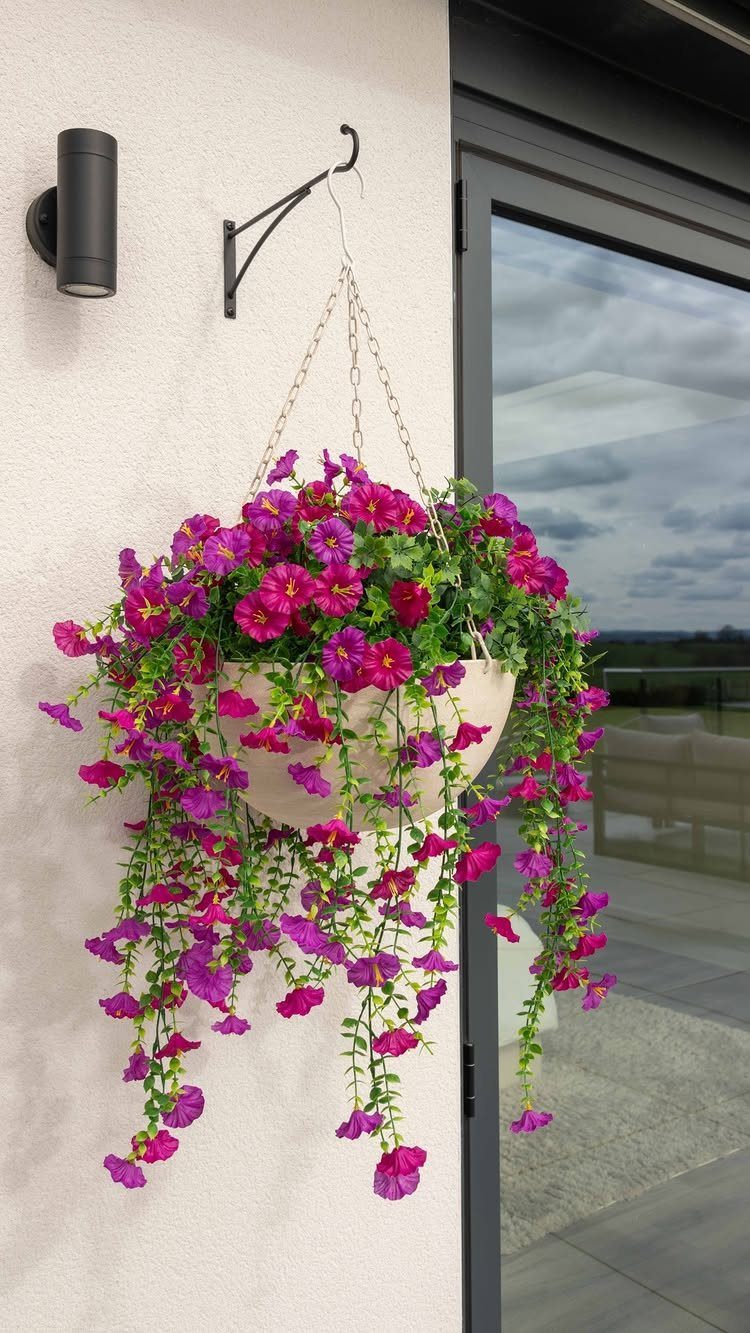
A basket at eye level brings color where ground space does not exist, which matters on a porch or a narrow walkway.
I would check that wall bracket is rated for the weight of wet soil, not just the dry pot.
Wire baskets lined with coco fiber drain well but dry out fast, so I prefer plastic with built-in reservoirs if I am watering only on weekends.
Faux flowers mean no watering at all, though I would rather plant real petunias and replace them twice a season. Morning sun and afternoon shade keeps most basket plants from frying.
6. Gravel Paths
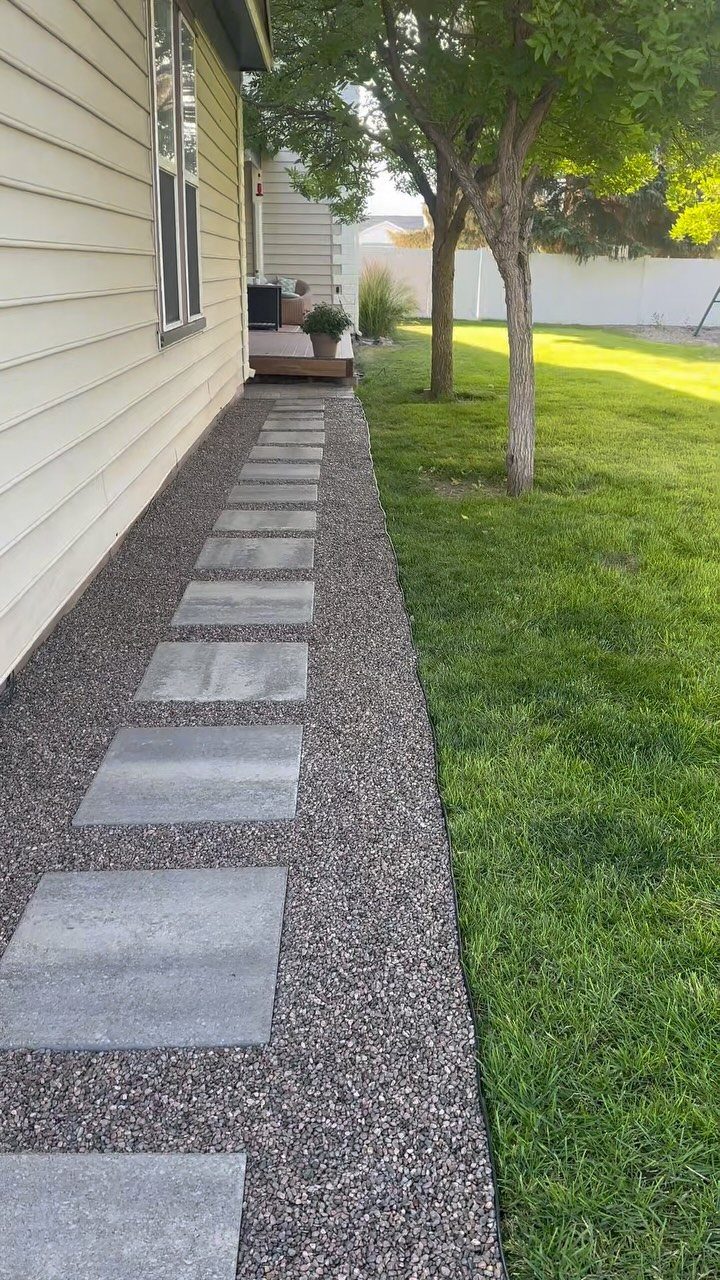
Loose gravel over compacted soil makes a path that drains fast and costs less than pavers alone, though your wheelbarrow will complain.
Rectangular stone pavers set into the gravel every few feet give steady footing when the cart or the mail carrier comes through.
I would edge mine with steel or brick, not trust the lawn to stay straight, and lay landscape fabric underneath or weeding becomes your new hobby.
Pea gravel, the smaller size that packs down, does not shift underfoot like larger stone. A shallow depth over fabric is enough for walking; driveways need more to stay put under weight.
7. Corks on Skewers as Plant Markers
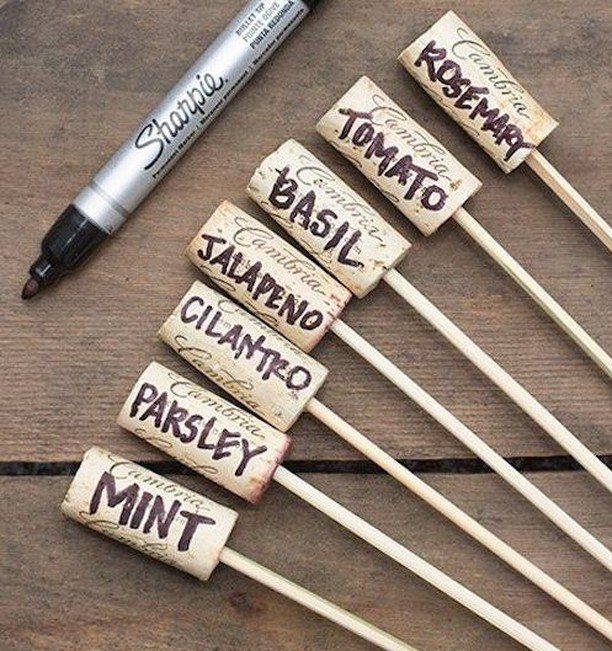
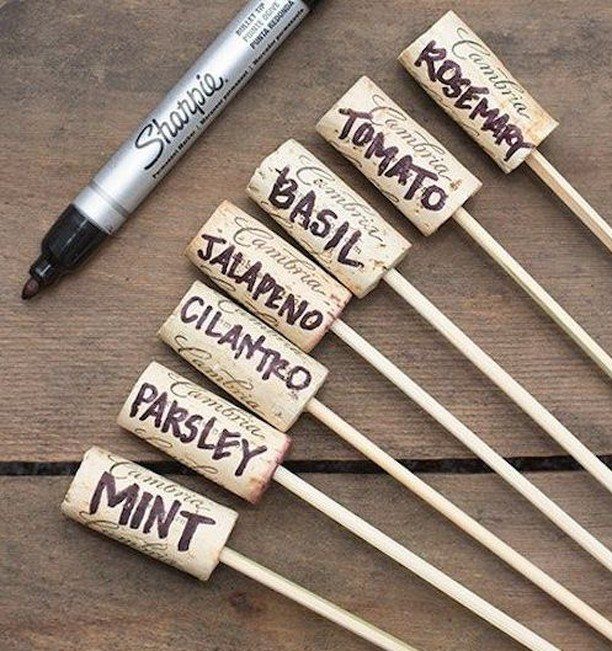
Wine corks on skewers give you plant markers that cost nothing and last a season or two. A Sharpie on cork works fine, though I would write the name twice; one side fades fast in sun.
The skewer needs to go deep enough to stay upright in loose potting mix, so buy the longest wooden skewers you can find and push them most of the way in.
I would keep a few blanks on hand for the volunteer tomato that shows up where you did not plant one.
8. String Lights
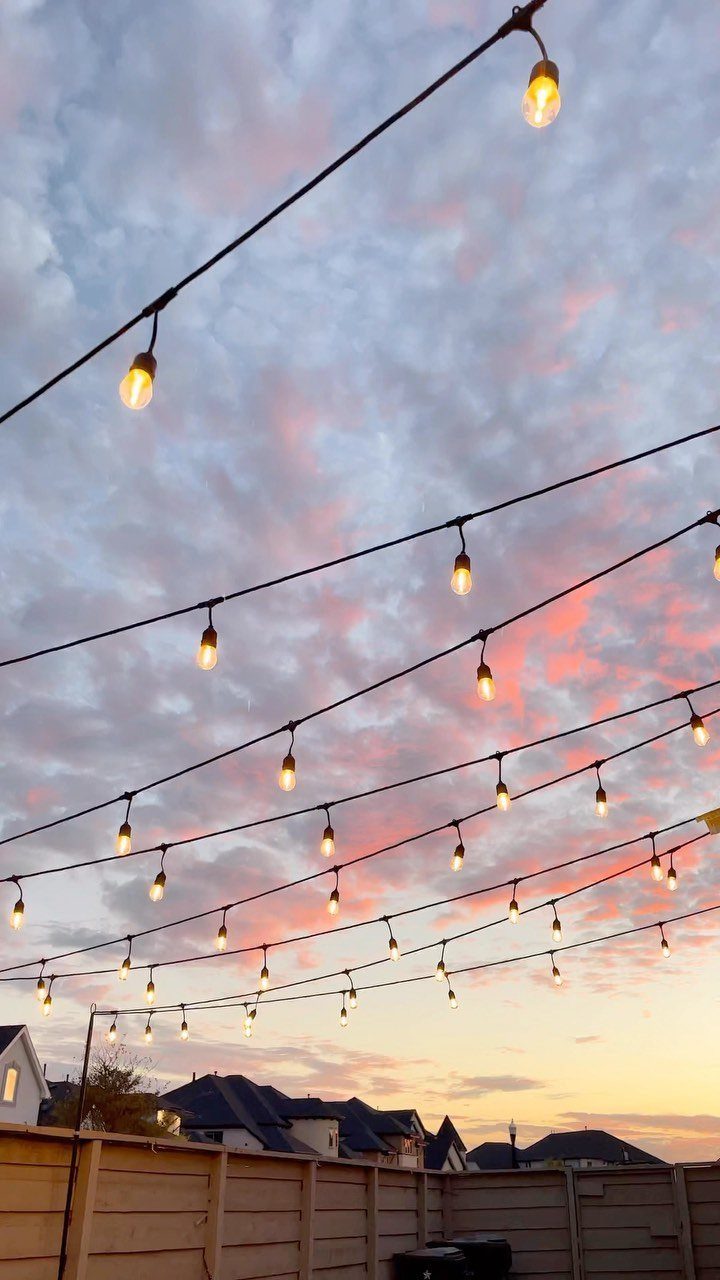
Edison-bulb string lights hung across a fence or patio stretch the usable hours of a small yard without any wiring.
I would check whether your strands are rated for outdoor use; indoor sets turn green inside the glass after one rainy week.
Extension cords across grass are a trip hazard, so I would spend the extra on a longer strand and run it along the fence rail.
9. DIY Water Garden
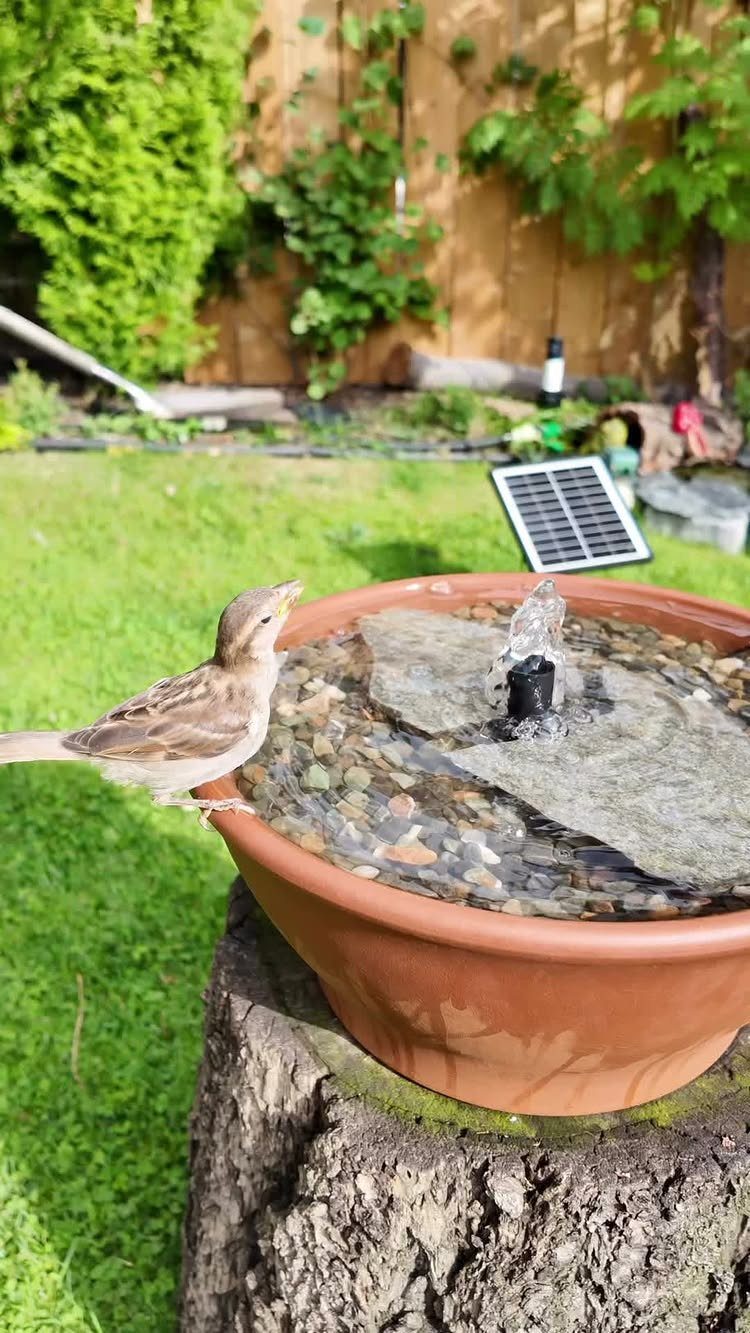
A solar fountain in a terracotta bowl runs without outlets, which matters when your nearest plug is through a window you do not want to leave open.
One person who set this up found her bowl for under $10 at a nursery and had water running the same afternoon.
I would weight the bowl with pebbles so it does not tip when birds land; the solar panel needs full sun to push water more than a trickle, so I would not nestle this deep under branches.
A stump or stacked pavers lifts it to where you can see the shimmer from your chair.
10. Old Chairs as Plant Displays
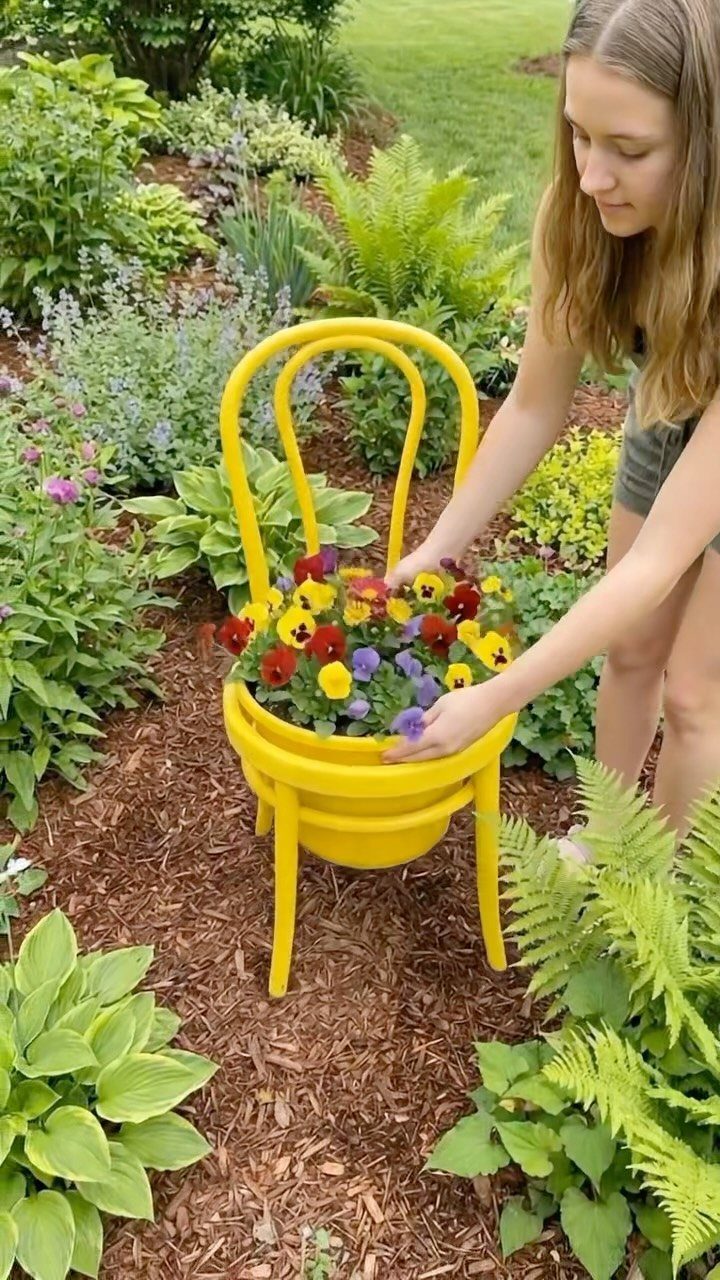
A wooden chair painted bright yellow and planted with pansies turns throw-away furniture into a focal point that costs almost nothing.
I would drill drainage holes through the seat before adding soil, or the roots rot in a week of rain.
The legs sink into mulch easily, though I would check the wood for rot first; soft spots give out by midsummer and dump your plants.
A chair with arms holds pots more securely than one without, if you would rather not fill the seat itself.
11. Mosaic Stepping Stones
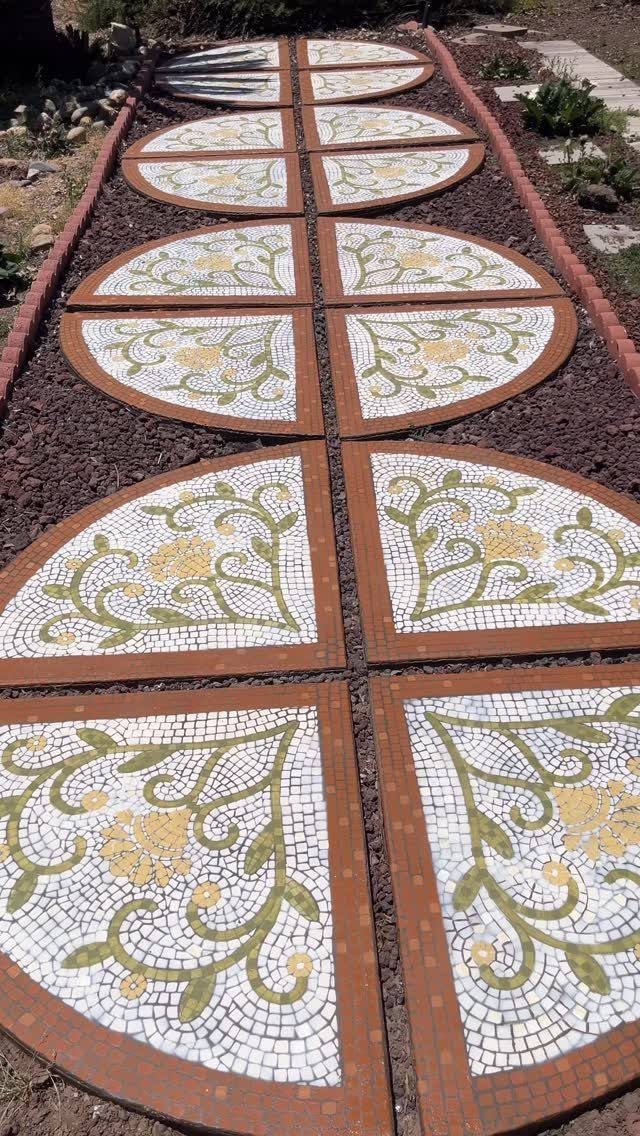
Mosaic stepping stones use broken tile from your last bathroom redo, set into concrete rounds that dress up a gravel path.
I would sort shards by color before mixing the batch; once the concrete starts to set, your window closes fast.
These stones sit flush with the gravel, which means pouring the mold in place or leveling carefully after. Grout the gaps after a day of cure, then seal if you want the colors to stay bright past the first winter.
12. Fairy Garden
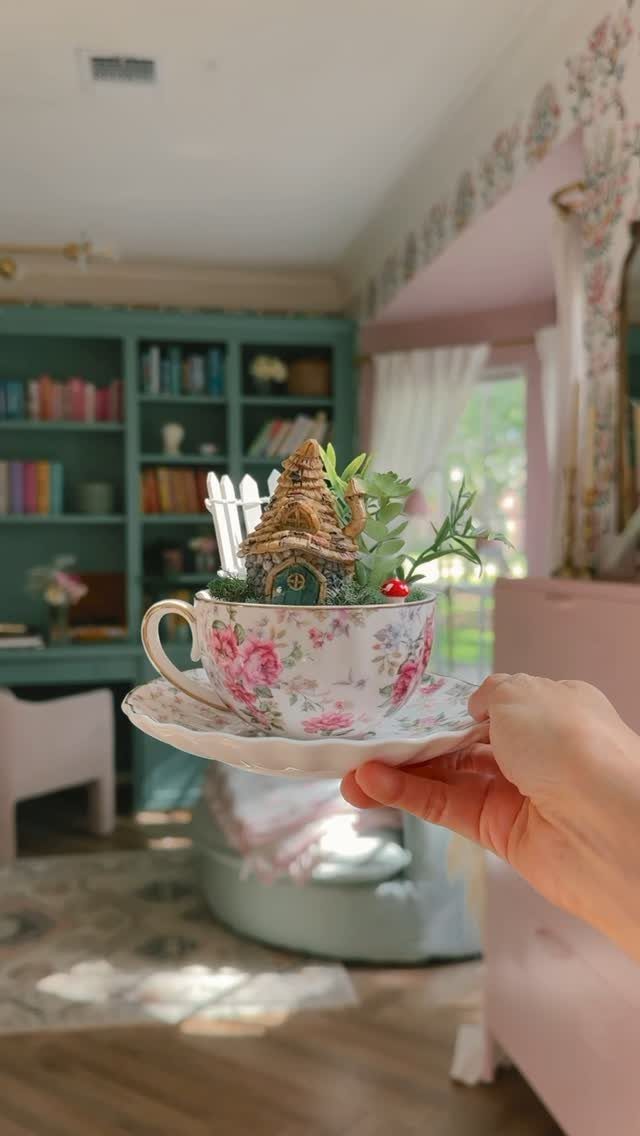
A fairy garden in a teacup scales the idea down to windowsill size, which suits renters and anyone whose outdoor space is a ledge.
The saucer catches overflow and gives you a place to set the house and mushroom without crowding the cup itself.
I would use faux greenery; real moss needs humidity a heated apartment does not give. A teacup from a thrift store costs next to nothing, and the whole thing fits in a drawer when you need the space back.
13. Use Light-Colored Materials
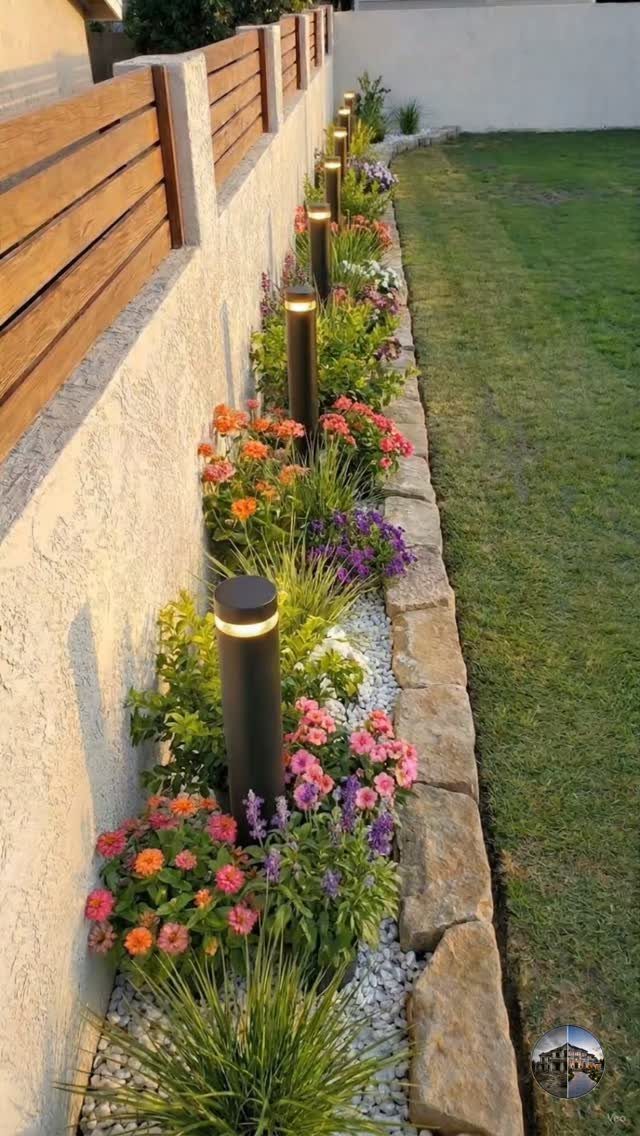
Light-colored gravel and pale stone edging bounce light back into a narrow bed instead of swallowing it, which makes a small yard feel larger than it is.
I would check that your stone is pale enough to stay bright after a few rains; cream limestone turns muddy gray in some soils.
Solar bollard lights lose punch in shaded lots, so I plan for wired low-voltage if the yard has tree cover. White gravel shows every leaf and weed, so I would keep a hand rake nearby or choose cream instead.
14. Seating, Rugs, and Cushions
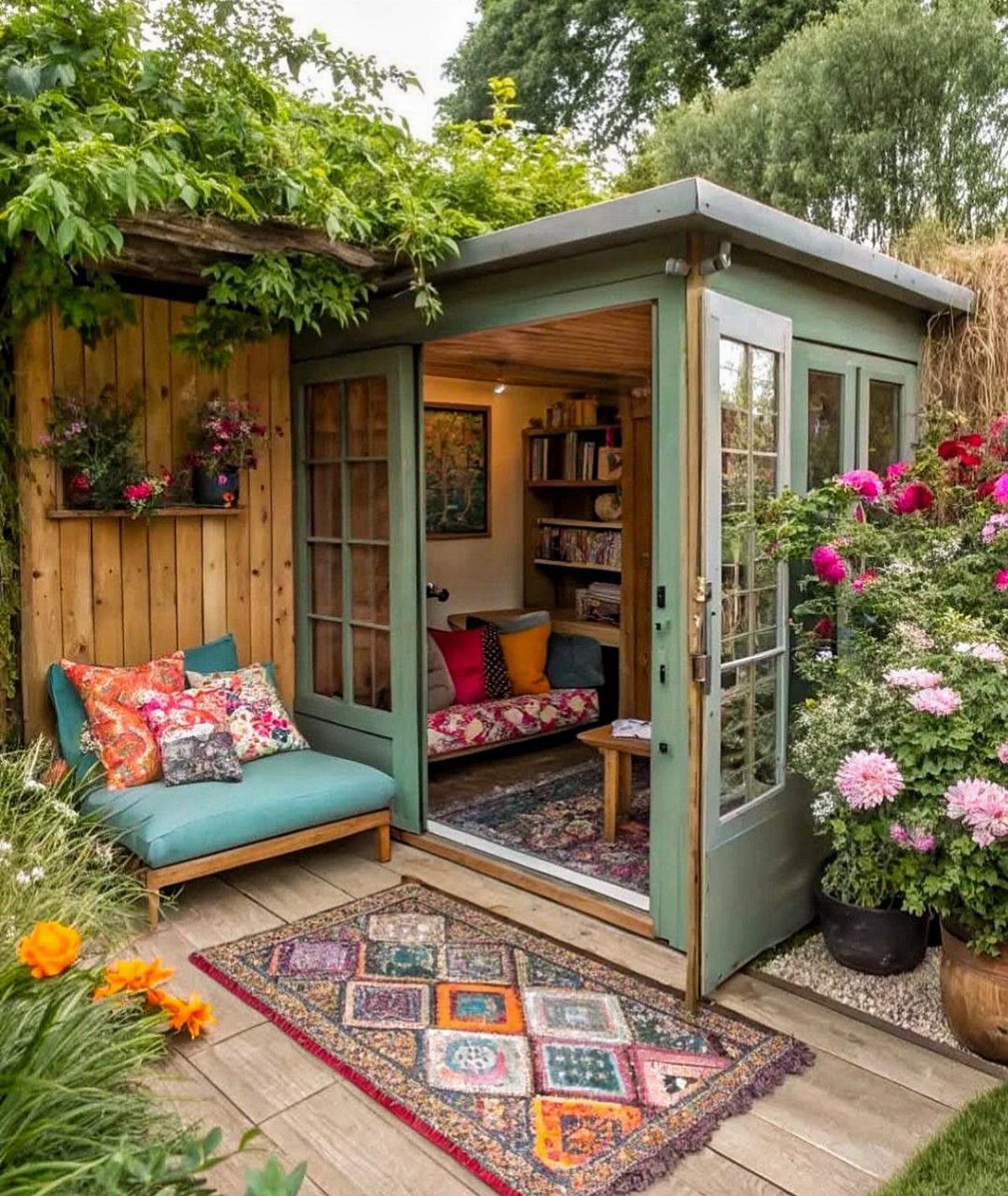
A rug and cushions turn a wooden platform into outdoor living room territory for the cost of one indoor armchair. I would look for polypropylene rugs that hose clean and dry by afternoon; cotton mats mildew in 2 damp weekends.
Cushions stored in the shed last longer than those left out, though I confess I forget. A daybed against a back wall blocks wind; open yards need lower seating or tie-downs.
15. Handmade Wooden Garden Bench
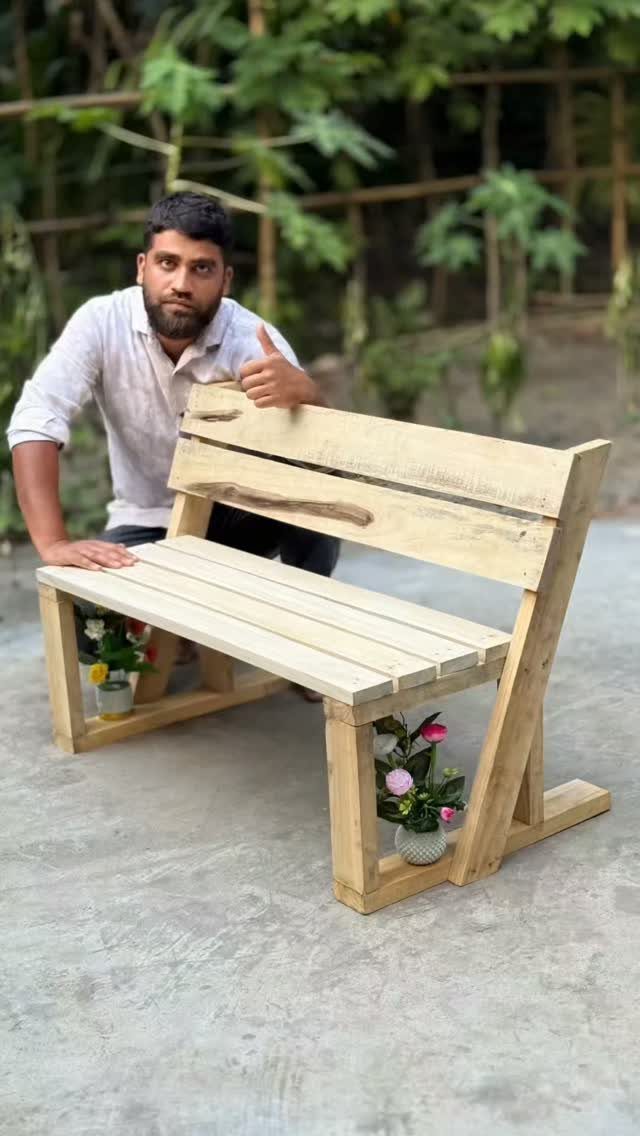
A simple wooden bench built from light-colored lumber pairs with small potted flowers for a piece that looks finished without paint or stain.
I would use cedar if you are leaving it raw; pine softens and splinters in one wet season.
The flowers sit on the ground, not the bench itself, which saves you from drilling drainage holes through your work. I would keep the pots small enough to move for mowing; heavy planters defeat the point of a portable piece.
16. Metal Bistro Seating Set
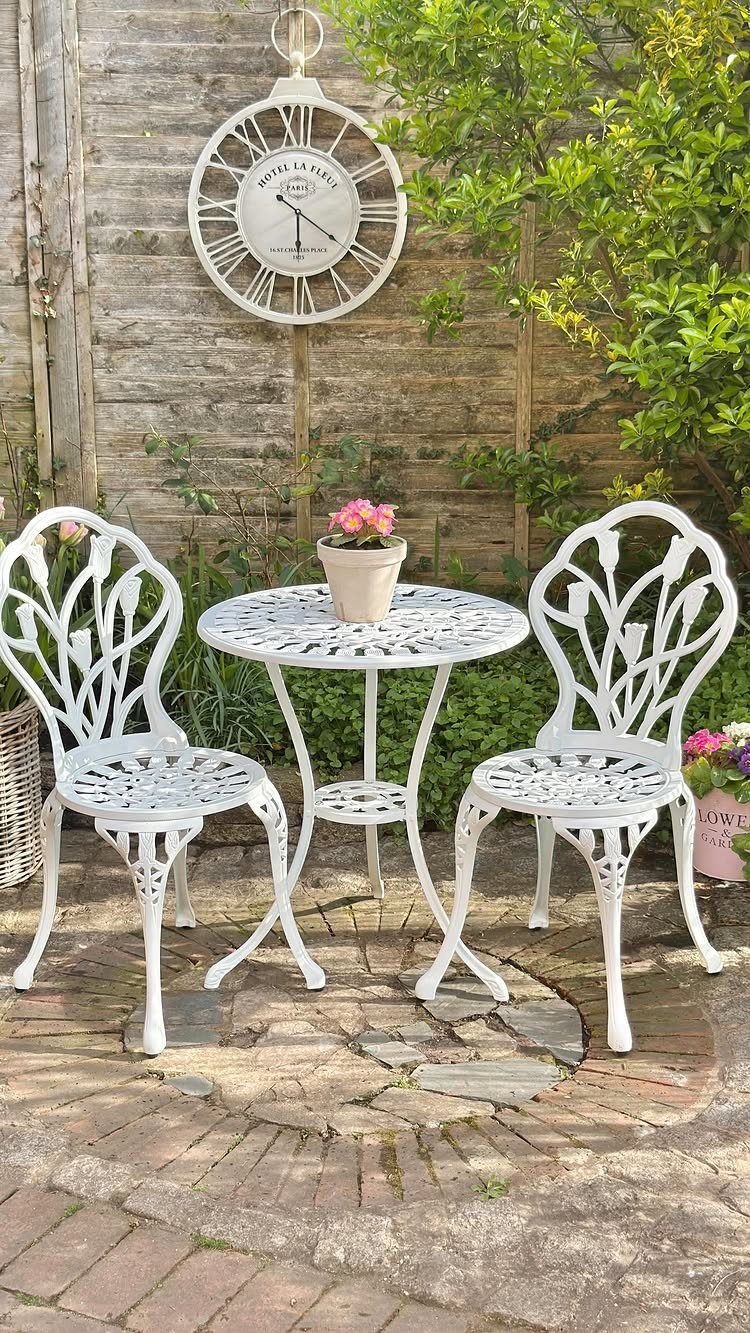
A white metal bistro set folds flat for winter storage, which matters on a small patio where everything must earn its keep year-round.
I would check that the feet have levelers; old brick patios settle unevenly and rock on 3 legs by July.
The ornate back pattern looks delicate but supports more weight than it suggests, though I would still test it before buying online. I would skip anything competing for attention; the lines of the metalwork are detail enough.
Low-Maintenance Gardening Tips
Evergreens save you from replanting every spring, and they look the same in February as they do in July. I would put them against a fence or at the back of a bed where their year-round bulk hides bare spots.
Mulch does the moisture work for you. A couple inches of mulch over soil cuts evaporation enough that I skip every other watering day in July, which matters when you are dragging a hose after work.
Self-seeders fill their own gaps if you let them.
Love-in-a-mist, forget-me-nots, poppies, foxgloves and giant mullein scatter where they fall; I would throw a pack into a sunny corner and let it sort itself out. Gravel gardens suit them especially.
Ground cover blocks weeds before they start.
For shade I would use lungwort, cyclamen, epimediums or Brunnera; for sun, creeping thyme, lady’s mantle, Mexican fleabane or hardy geraniums. Once they settle in, they need nothing.
An automatic drip system on a timer handles the weeks you forget. I would still check emitters monthly; a clogged line cooks a plant fast in August.
Planning Garden Layout
A lawn eats more weekend hours than anything else in a yard.
Mowing, edging, feeding, raking; I would swap mine for gravel with a few pavers dropped in if I wanted Saturdays back. You still get a place to sit, and you lose the scarifier forever.
I would lay them with different materials, stone against wood against gravel, so each turn gives you something new to look at.
Herbaceous borders demand deadheading, dividing, mulching, feeding.
I would keep a few for color but not build the whole garden around them. Choose which ones earn their keep; the rest are work without return.
Time-sponge zones are where you actually stand, weed, water and curse.
Map those before you plant anything permanent. A bed far from the hose becomes a bed you neglect by August.
Garden designs for small gardens should aim for a ratio of around 50 per cent planting and furniture to 50 per cent paving or decking. This will help create a patio that is easy on the eye without being overcrowded.
Seasonal Planting Strategies
Succession sowing keeps salad coming without a glut.
Two containers staggered two weeks apart, or one pot with a backup tray of seedlings ready to swap in. I would mark the sow date on the pot with a cork skewer; memory fails by midseason.
Salad in a seed tray moves to the main container when the first crop flags. That overlap buys you green leaves without a gap.
Sow small batches on a rolling schedule for herbs like coriander, basil and parsley so you always have something ready to cut. A windowsill handles the early batches while the outdoor soil warms.
Seed packets hold more than most gardens need in one year.
Check the count before buying two; leftover coriander seed lasts, but not all do. Store the rest dry and dark, or split with a neighbor.
Climate-appropriate plants are the ones that survive without coddling.
Frequently Asked Questions
What are some easy garden ideas for beginners?
Start with container gardening in 5-gallon pots so you can move plants to follow the sun, or build a raised bed for tomatoes since the soil warms faster and drains better.
Both let you control conditions without fighting your whole yard at once. I would pick low-effort plants like lettuce, radishes, or herbs that show results fast and forgive uneven watering.
What vegetables grow in 3 weeks?
Radishes and salad leaves are the closest you will get; spring radishes hit maturity in about 4 weeks and fast-growing salad leaves give you cut-and-come-again greens almost as quick.
Spring onions need closer to 8 weeks, so they are not in the same league.





