
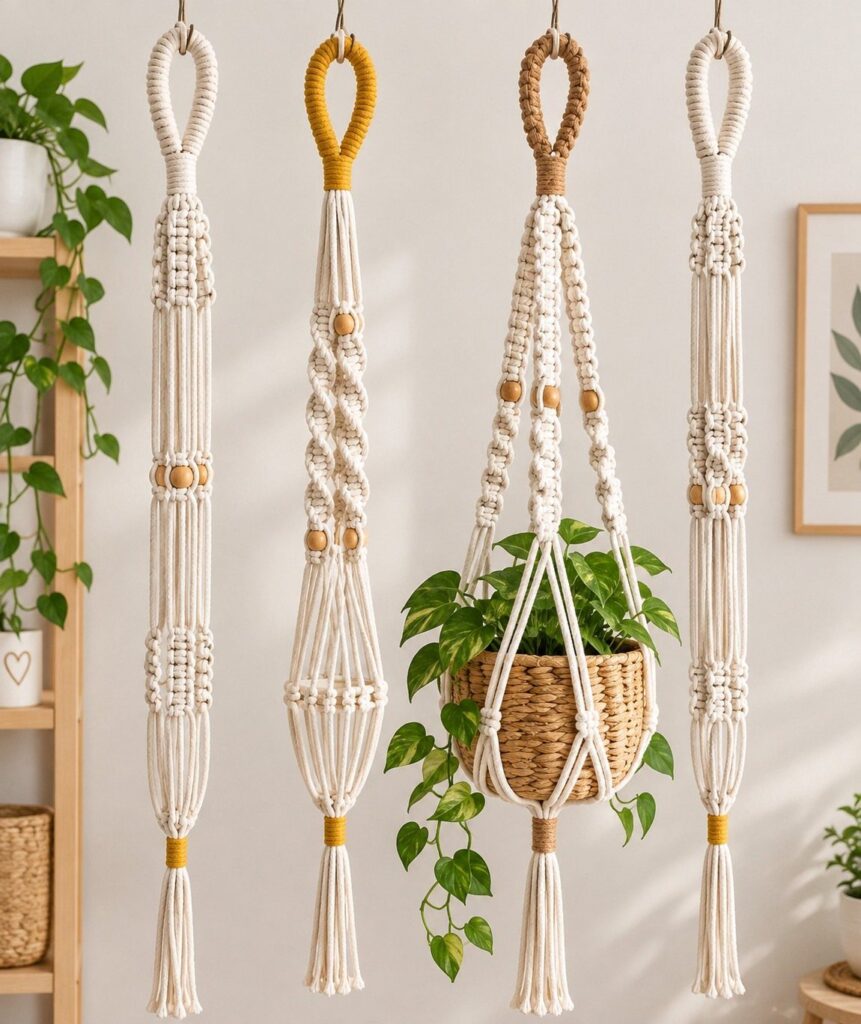
These ideas run from a one-hour macramé hanger to a full weekend raised patio, and the one that fits your space depends on whether you are working with a rental patio, a narrow balcony, or a yard you can dig into.
Before I start a garden project, I check the same spot every couple hours on a Saturday. A corner that looks bright at 9 AM can drop into full shade by 3 PM once the canopy fills in.
[link-whisper-related-posts]1. Raised Beds
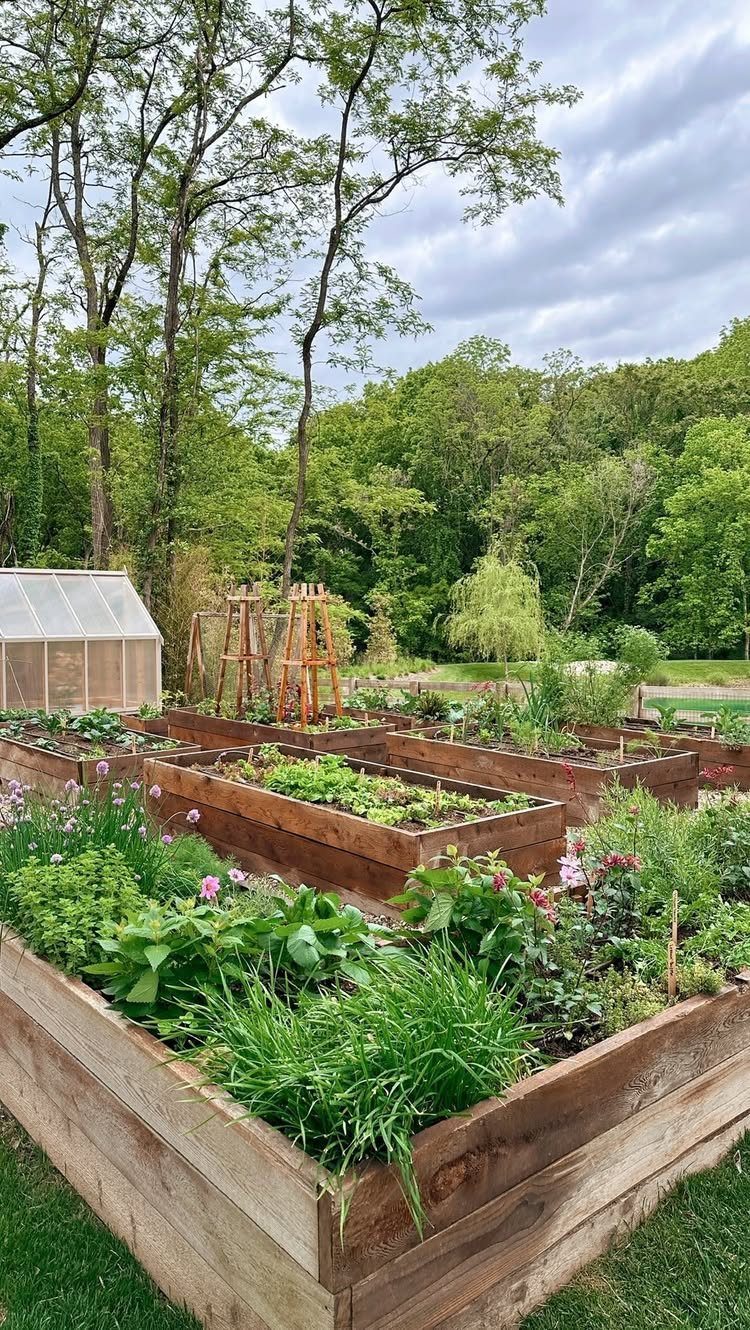
Wooden raised beds give your plants clean soil above ground level and keep the border neat against grass or paths. Cedar or fir costs more than pine, though pine rots faster unless you line it.
Before you fill, check that the spot gets 6+ hours of sun and that you can reach the center without stepping in. I would skip anything under 10 inches deep for vegetables; roots need room more than width.
2. Make a Macramé Plant Hanger
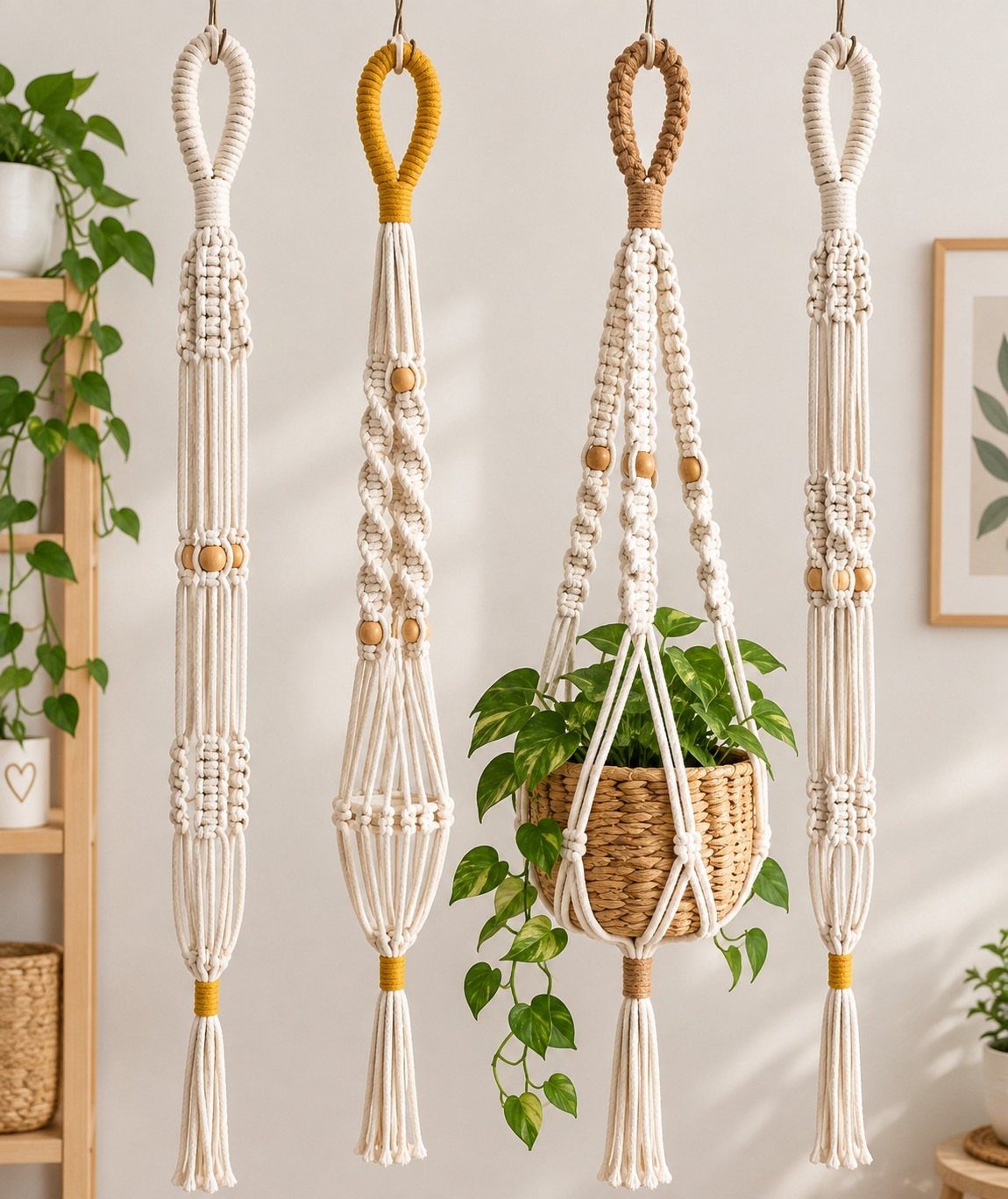
Macramé hangers lift potted plants off tables and railings without drilling, which matters on rental patios where landlords notice holes. Cotton cord works best because it grips the pot and weathers okay for a season or two.
I would choose natural undyed cord over bright colors for outdoor use, since sun fades synthetic dye fast and unevenly. Plan an hour for your first one and expect the cord to sag slightly after the first week.
3. Start a Container Herb Garden
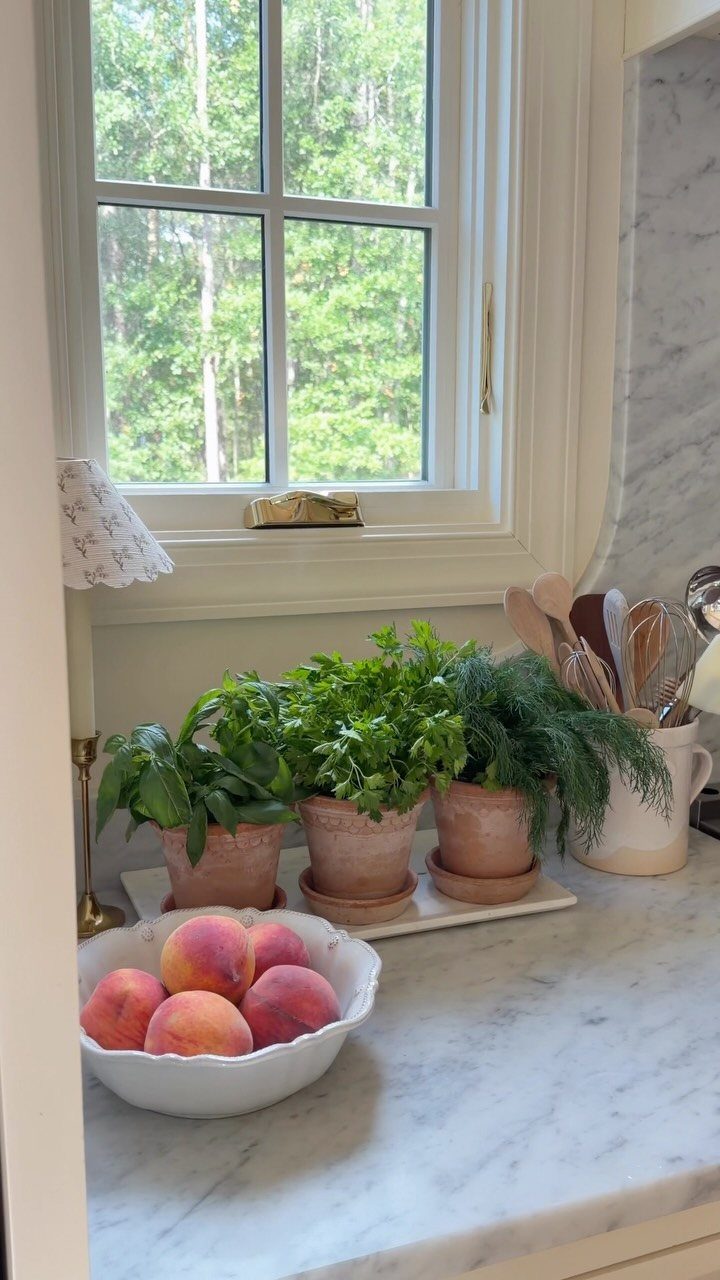
Terracotta pots on a tray keep herbs portable: move them to the kitchen for harvesting, back to the sun afterward.
The porous clay dries out fast, so I would set up a drip tray or water more often than you would plastic or glazed pots.
Mint, basil, and parsley fit small pots; rosemary wants more room or it stays stunted. Start with starts from a nursery rather than seed if you want usable leaves sooner; seeds need time just to sprout.
4. Raised Patio
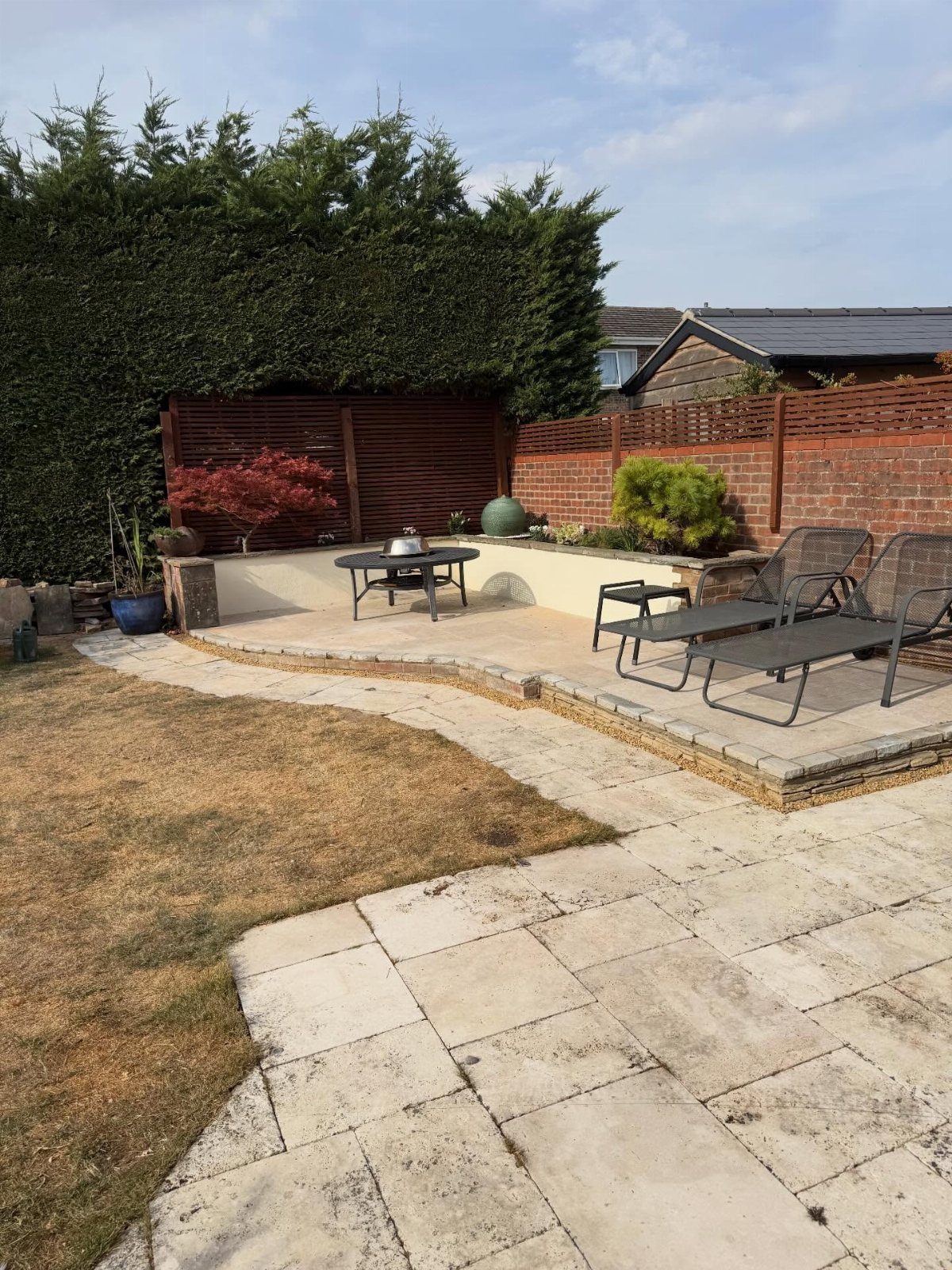
A raised patio lifts your seating area above the lawn grade, which solves drainage headaches in yards that puddle after rain. Dry-laid stone on a compacted base costs less if you do the digging and leveling yourself.
Build the retaining wall first, backfill with compacted gravel, then lay the surface. I would not attempt this on a steep slope without terracing it into two levels; one big lift means moving too much soil by hand.
5. Garden Path
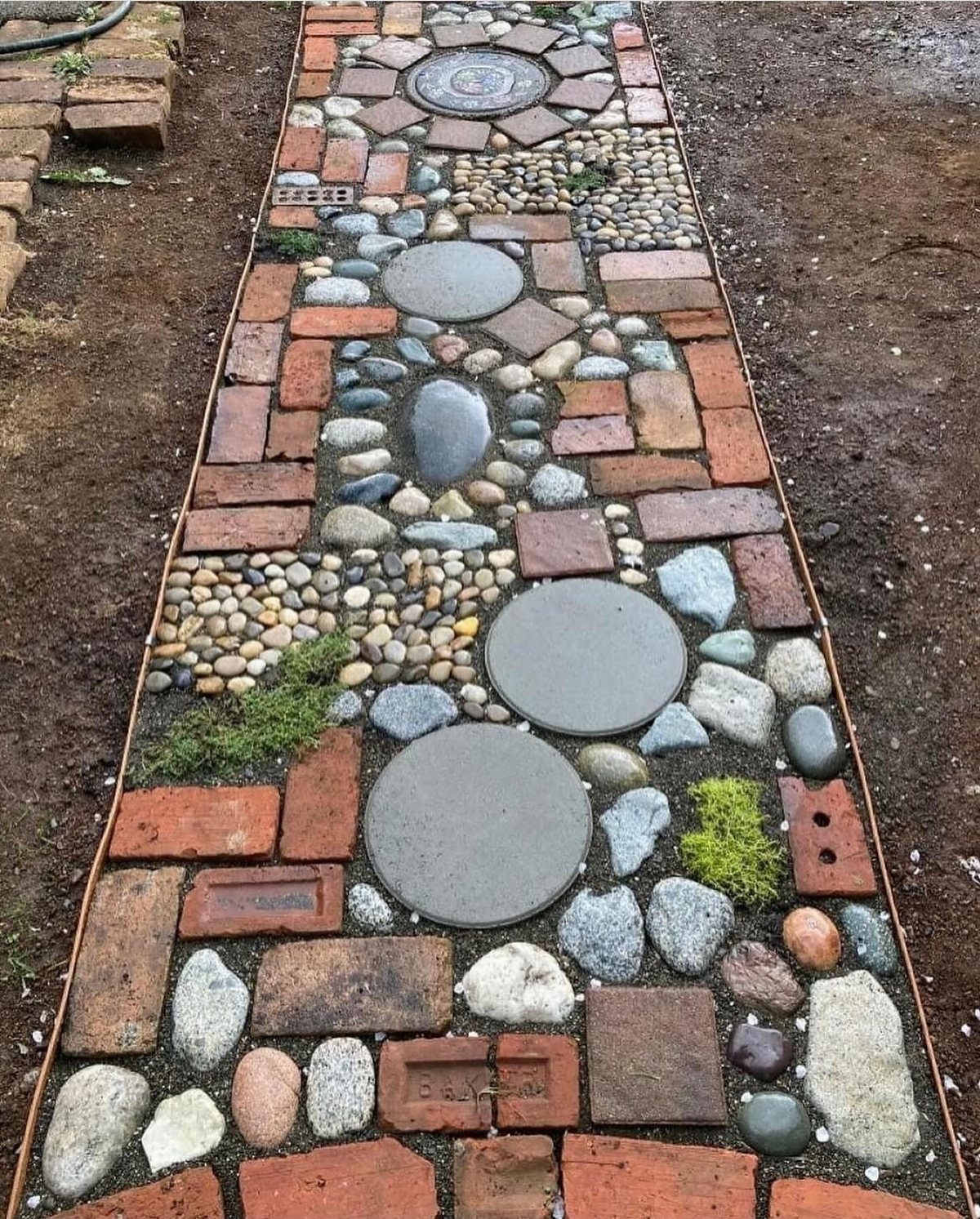
A mixed-material path lets you use leftover supplies from other projects: bricks, pavers, river stone, even broken concrete. A firm edge, metal or buried brick, keeps loose stuff from migrating into the lawn.
Lay compacted crusher run beneath everything; without it, pavers tilt and pebbles sink within a season. I would keep stepping stones close together; too far apart and you end up straining to hit them with muddy shoes.
6. Cold Frame
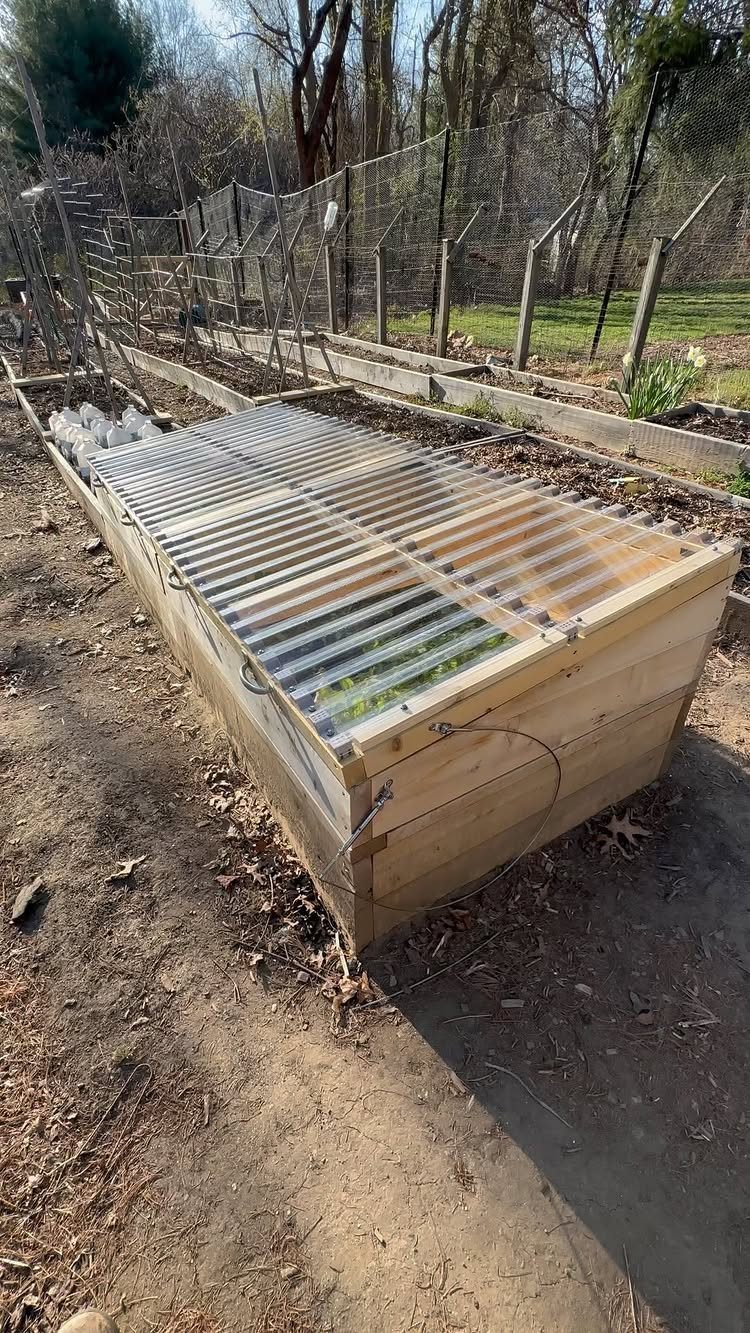
A cold frame is basically a raised bed with a hinged glass or plastic lid, giving you extra time on both ends of the growing season.
The slatted lid vents excess heat; without that, sunny days can cook seedlings inside. Orient it south-facing and slope the lid down toward the front so rain runs off.
I would hinge it along the north edge so the tall side catches low winter sun; hinge it wrong and you shade your own plants every afternoon.
7. Create a Vertical Garden
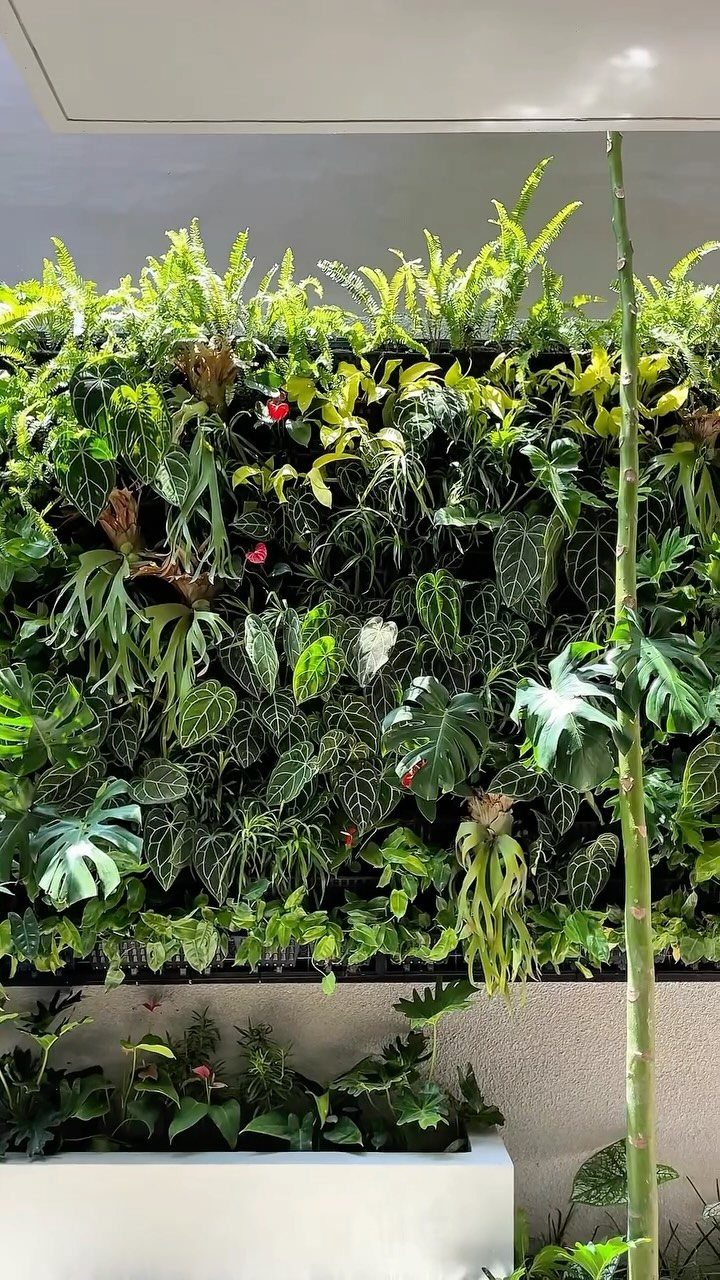
A wall-mounted frame with pockets or shelves lets you grow where ground space is missing: balconies, fences, the narrow side of a garage.
A built-in box below catches drips, which saves the wall from water stains. Weight is the thing to solve first; soil and wet plants add up fast, so mount into studs or masonry, not drywall anchors.
I would pick shade-tolerant plants like ferns for north-facing walls; full sun dries vertical soil out in hours.
8. Bird Feeder
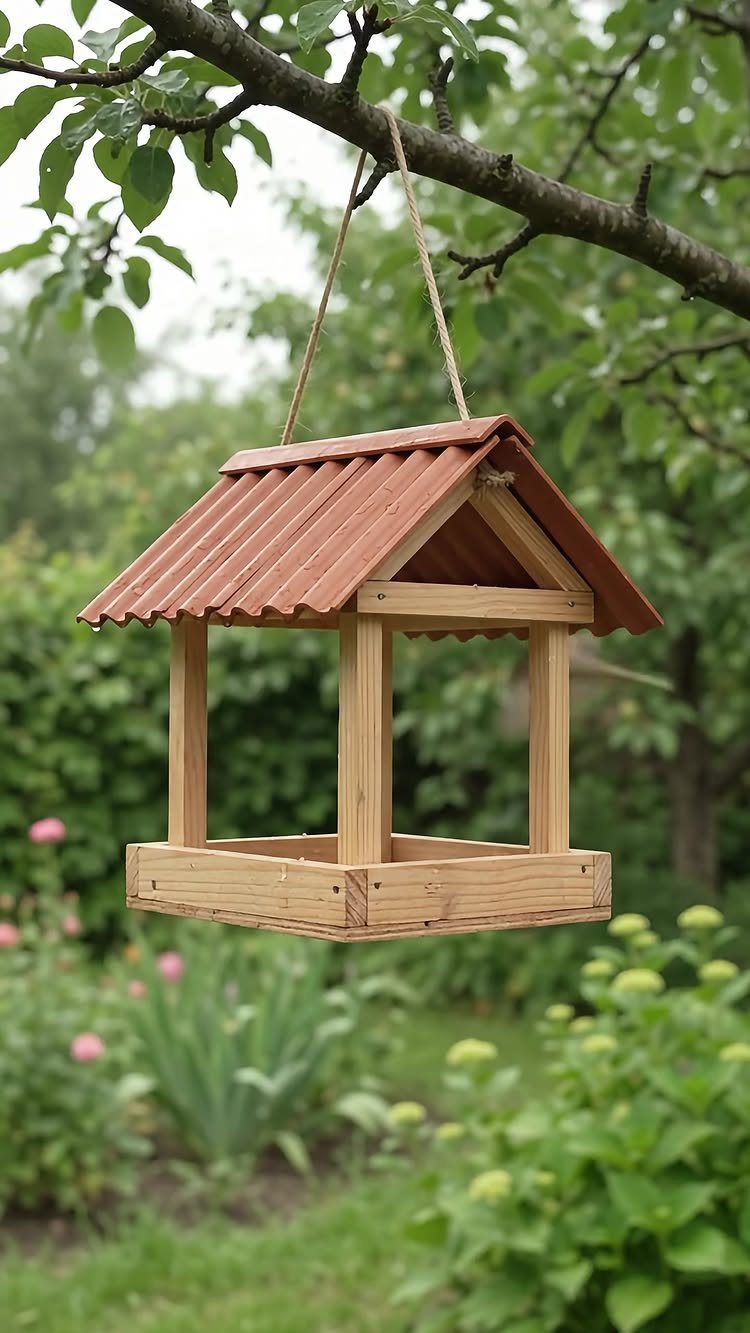
A hanging feeder brings birds close enough to watch from a window without the squirrel battles that ground feeding invites. Wood weathers slower if the roof overhangs the seed tray, the way this one does.
Hang it from a branch strong enough to hold the loaded weight; thin twigs sway in wind and spill seed. I would refill only what gets eaten in a few days, since wet seed molds fast in summer humidity.
9. Bee House
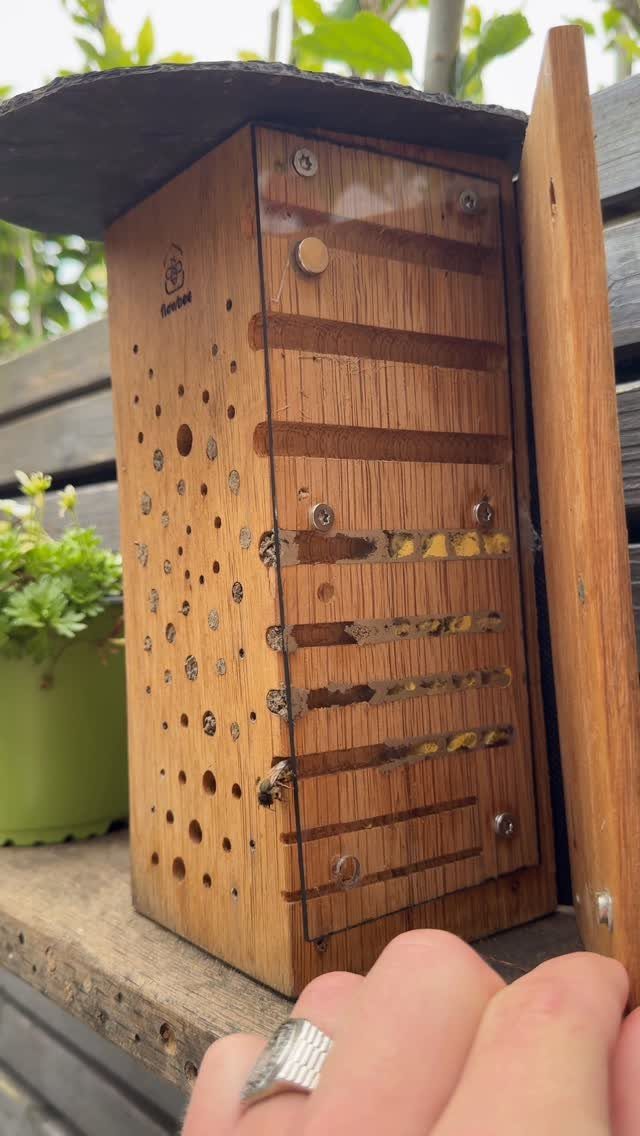
Drilled holes in a wooden block give solitary bees, the kind that do not sting, a place to lay eggs and pack pollen.
An observation window lets you watch the cells fill, which is more interesting than I expected. Mount it facing southeast to catch morning sun; bees need warmth to get moving.
I would hinge a guard door if you have woodpeckers nearby, since they learn to drill out the larvae. Clean the tunnels each winter with a pipe brush so parasites do not build up year to year.
Bee houses are fun and easy to make. Your bee house will be ideal for solitary bees, of which there are over 220 wild species in the UK.
10. Bird Bath
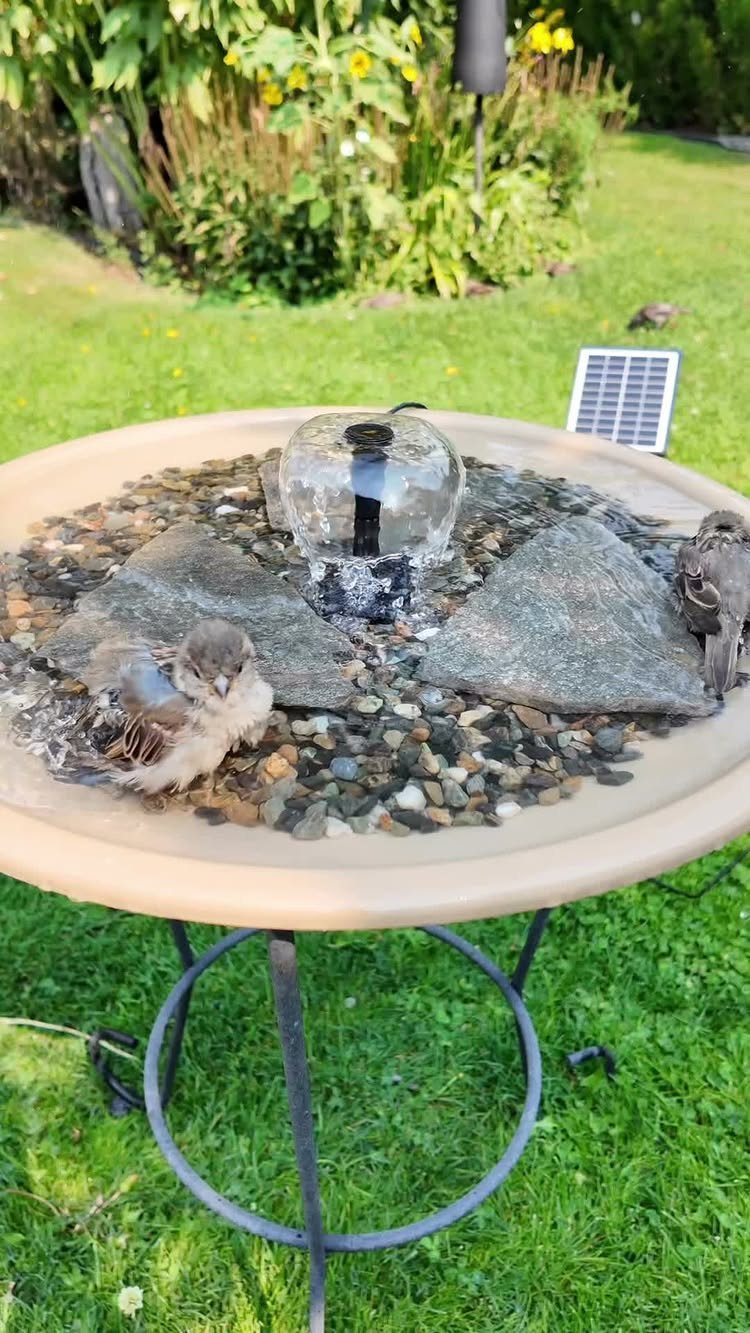
Shallow water with stones for perching gives birds a place to drink and bathe without the drowning risk of deeper basins. A solar fountain adds movement that draws birds from farther away; still water they often ignore.
Pebbles let you adjust the depth by piling them, which matters since different birds prefer different shallows. I would change the water often in mosquito season; larvae hatch fast in standing water.
11. Leaf-pressed Coasters
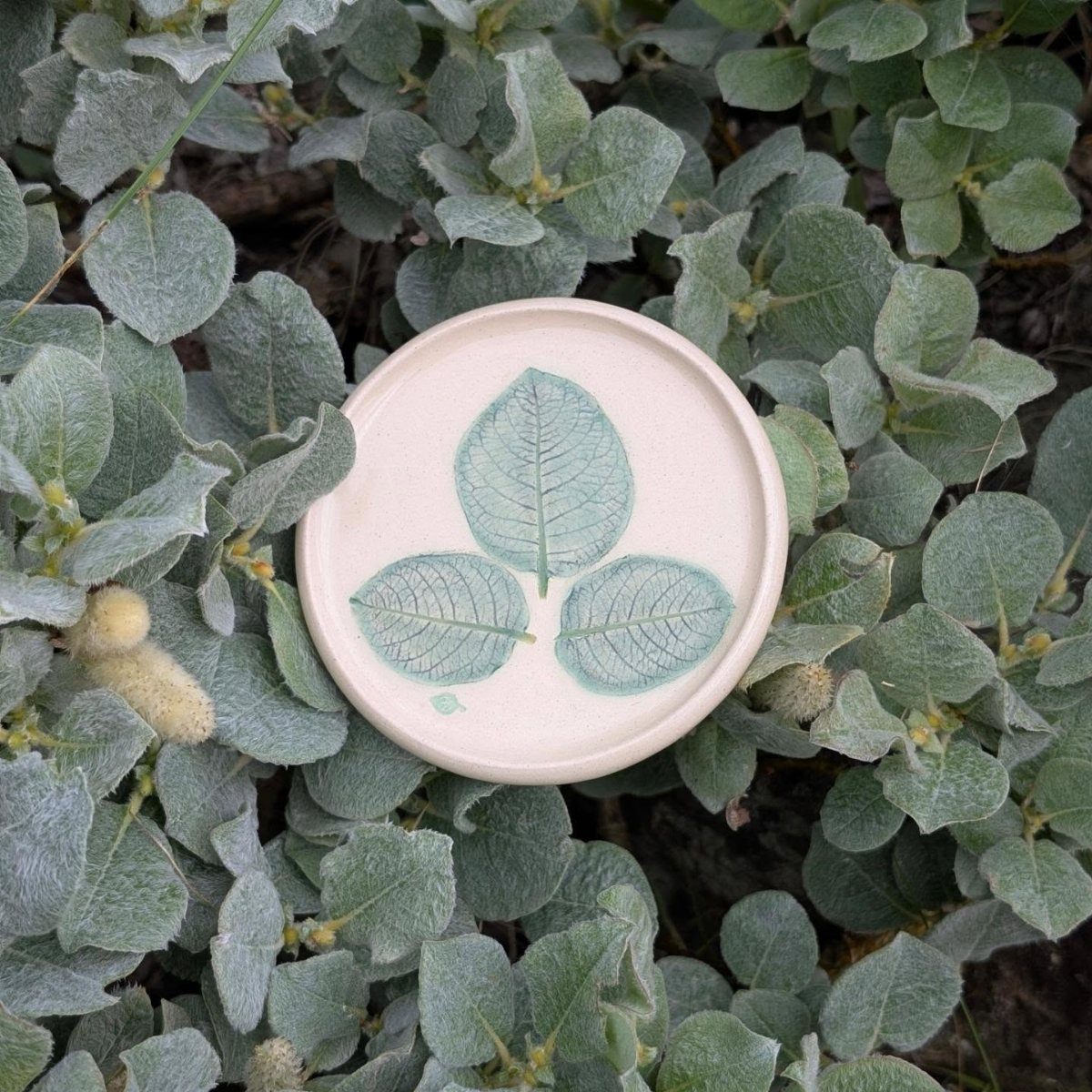
Pressed leaves sealed under glaze turn plain ceramic into something that reads as found-in-the-woods without being fragile. 3 leaves in a loose arrangement looks easier to copy than a dense pattern.
You can press your own leaves between wax paper under books for a week, or buy pre-pressed ferns online if you want the shape without the wait.
I would skip thick or veiny leaves; thin ones lie flatter and trap less air under the glaze. Fire to your clay body’s recommended cone, then add the leaf decal or press before the final clear coat.
12. Wildflower Seed Bombs
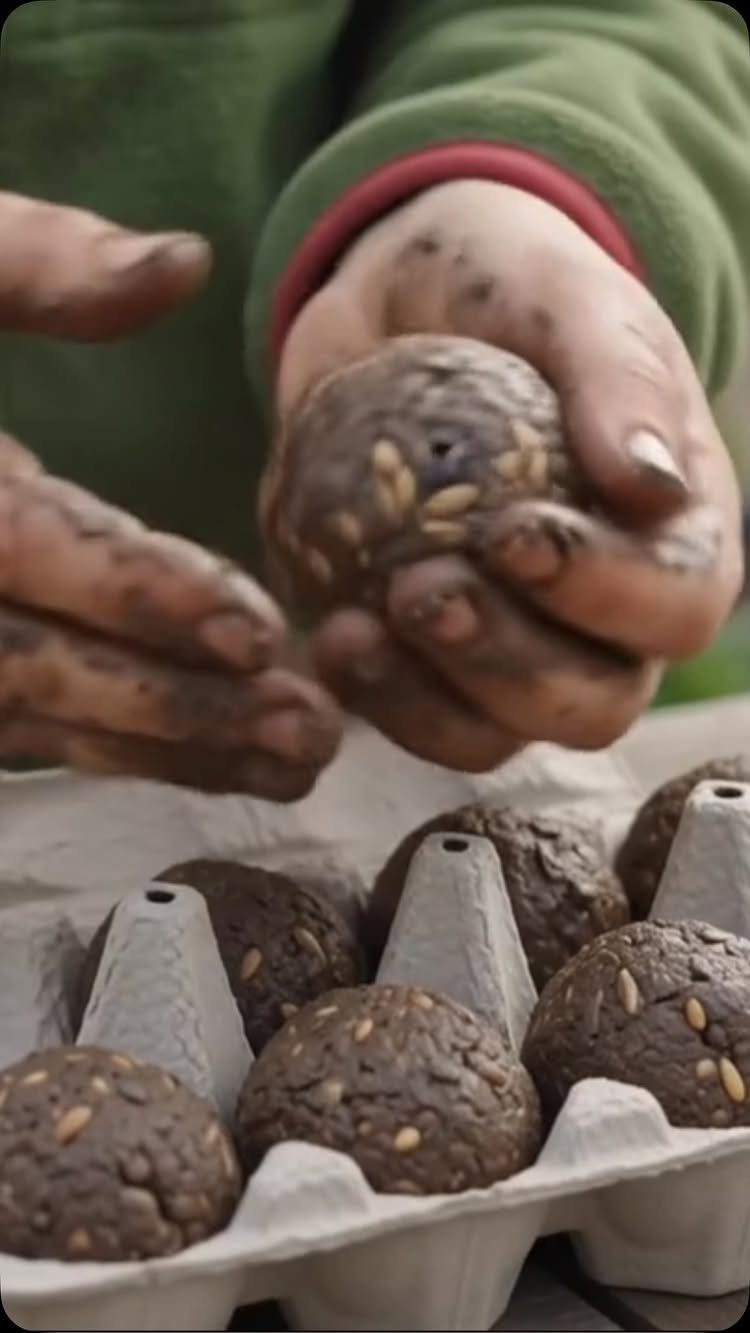
Hand-rolled balls of clay, compost, and seed let you plant bare spots without the tilling that many wildflowers resent. An egg carton is a handy mold for drying and storing.
Mix mostly clay with compost and seed; too much seed and the seedlings choke each other. I would throw these just before a rain, since they need moisture to break down; mid-summer drought means they sit dormant until fall.
Choose a native mix matched to your zone so you are not spreading invasives that look pretty for one season and take over after.
13. Illuminated Garden Arches
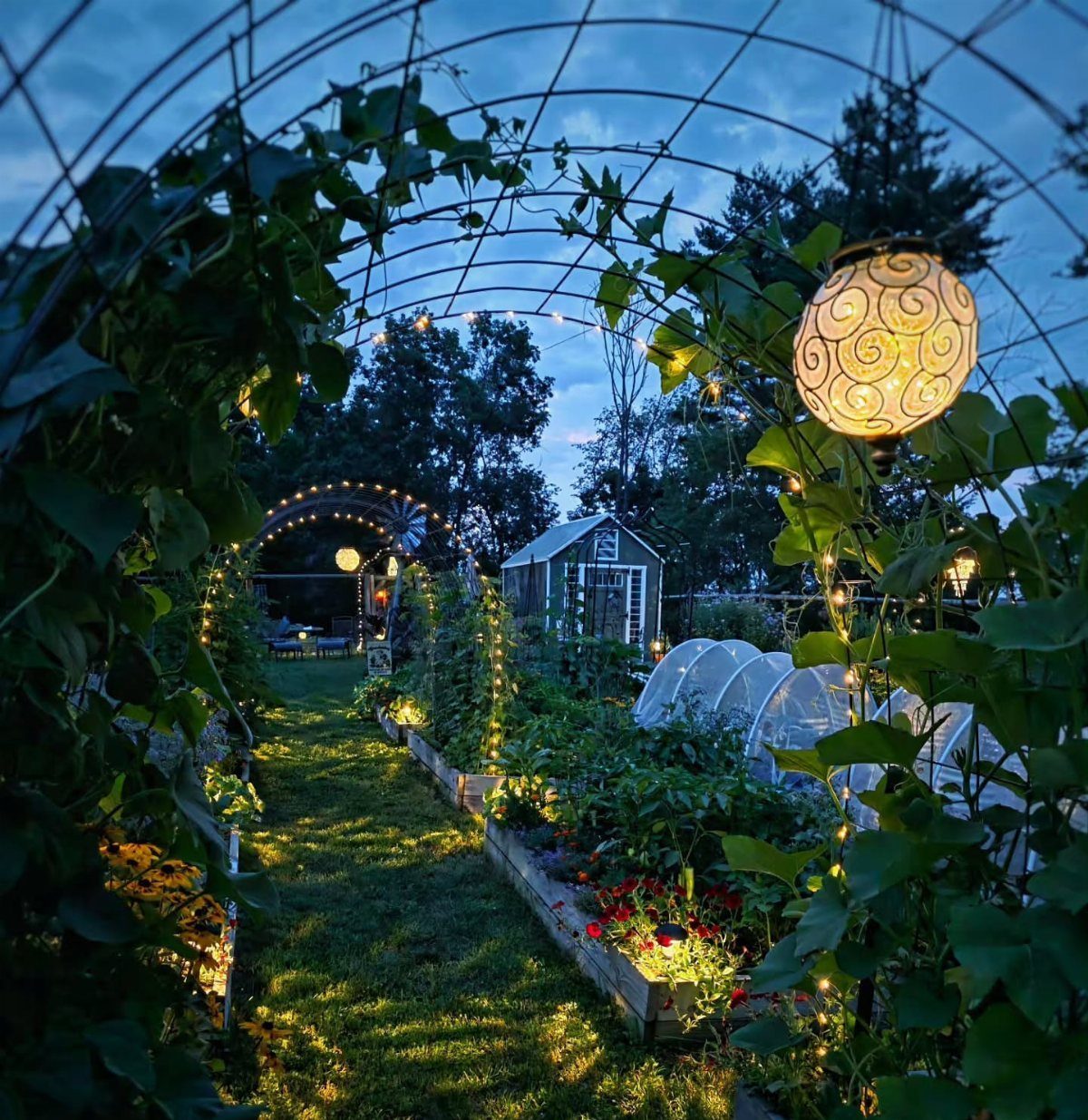
Metal wire arches turn a plain path into a room you walk through, especially once vines climb up and lights hang between.
The wire is thin enough that clematis or morning glory wraps it without help, though you will wait a season for coverage.
Solar lanterns in the spheres save running cord through damp soil. Check that your arch feet sink deep or stake down; a summer storm can lift light frames once vines catch wind like a sail.
14. Garden Bed Fairy Lighting
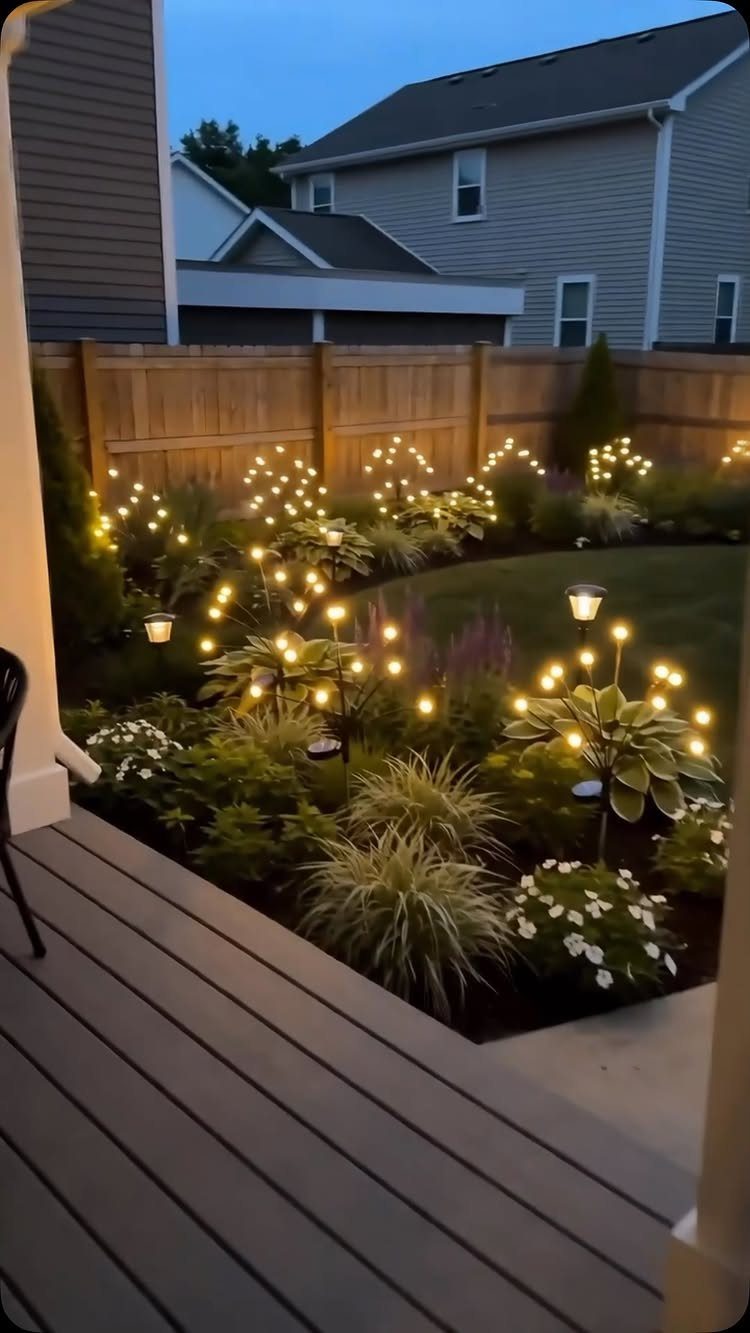
Solar stake lights among grasses and hostas give flower beds a second life after sunset without wiring or timers.
Warm-white tone reads softer than blue-white LEDs, which I would pick for living spaces but skip here; plants look painted under cool light.
Stake spacing matters more than height: close enough to keep pools of light touching without runway stripes. Check that panels get afternoon sun; shade from a fence or deck overhang leaves them dim after dark.
15. Recycled Plastic Bottle Garden Birds
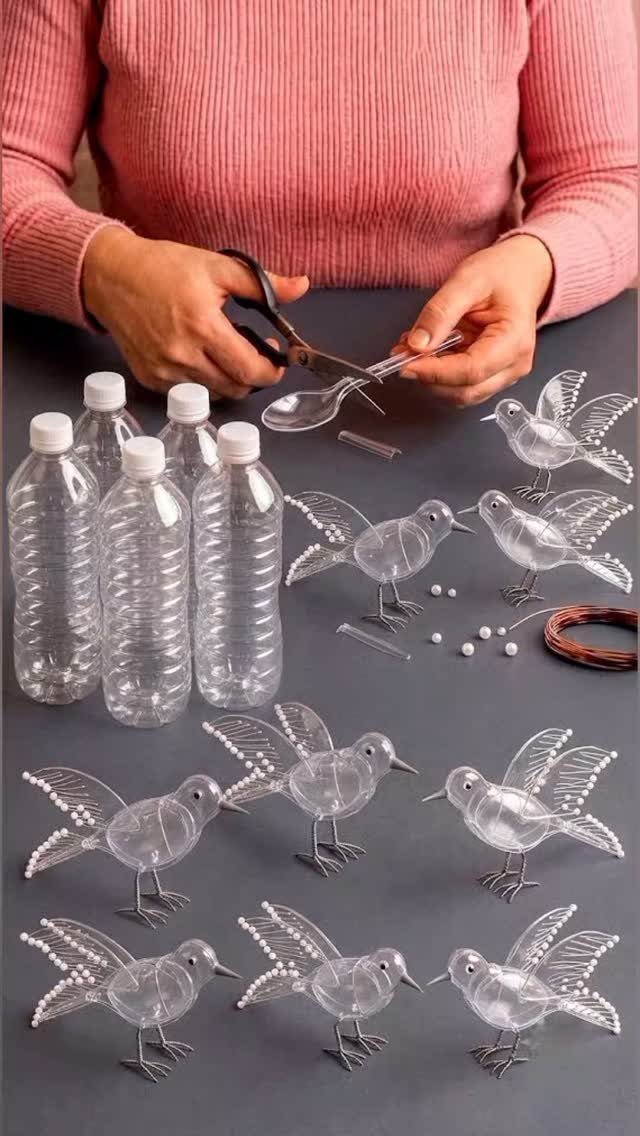
Cut plastic bottles and spoons shape into small birds that catch light and move in breeze, a use for packaging that otherwise hits the bin.
The craft wire inside gives posture and a perch; beads become eyes or weight to balance. Sharp scissor marks show if you rush, so I would score the plastic lightly first and cut toward the scored line.
These live in covered spots best; direct sun brittles PET over a season and rain fills hollow bodies with mildew you cannot reach.
Planning Your Garden Layout
Sun mapping means tracking which parts of your yard actually get light and for how long.
Sun mapping means watching how light moves across your yard and marking where full sun, partial shade, and deep shade land, so you match each plant to the exposure it actually needs.
Most vegetables need that 6+ hours of direct sun I mentioned for raised beds, but leafy greens and some herbs manage on half that.
Map before you build, because a bed placed in what looks like morning sun might sit in shadow by afternoon once trees leaf out. I would spend one Saturday on this rather than guessing and moving soil twice.
Choosing the Right Plants
Start with what forgives mistakes. Carrots, radishes, spinach, and peas grow in cool soil and mature fast enough that you learn the rhythm without waiting months for feedback.
For summer heat, bush beans and zucchini fill space quickly and produce visibly. Basil is the herb I would pick first; it grows almost as fast as you can cut it and signals clearly when it needs water by drooping.
Zinnias belong in a vegetable bed, not off by themselves, since they draw pollinators that boost bean and cucumber production.
Buy starts for basil and tomatoes if you want satisfaction inside a month; direct-seed radishes and peas since they sprout in days and transplant poorly anyway.
Using Recycled Materials
What matters is sorting by exposure. Wood touching soil rots unless it is rot-resistant cedar or lined pine; above-ground uses like hangers or decorative birds face less risk from moisture.
I would avoid pressure-treated lumber for anything growing food, since the chemicals migrate. For non-food structures, old decking or fence boards work if you pull nails and check for rot at the ends.
The savings are real, but I would not spend a weekend driving for free pallets if gas and time exceed buying fresh fir for a small bed.
Frequently Asked Questions
What’s the easiest thing to garden?
Leafy greens, radishes, and herbs like basil are the forgiving starters I would point to first. They grow fast enough that you get feedback within weeks, not months, and they handle the small mistakes beginners make with watering or spacing.
Basil is especially instructive because it droops clearly when it needs water, so you learn the rhythm without guessing.
What is the first thing you put in a garden?
I start any garden project by spending one Saturday tracking where light actually lands, marking the full sun and partial shade zones, then matching each plant to the exposure it needs.





