
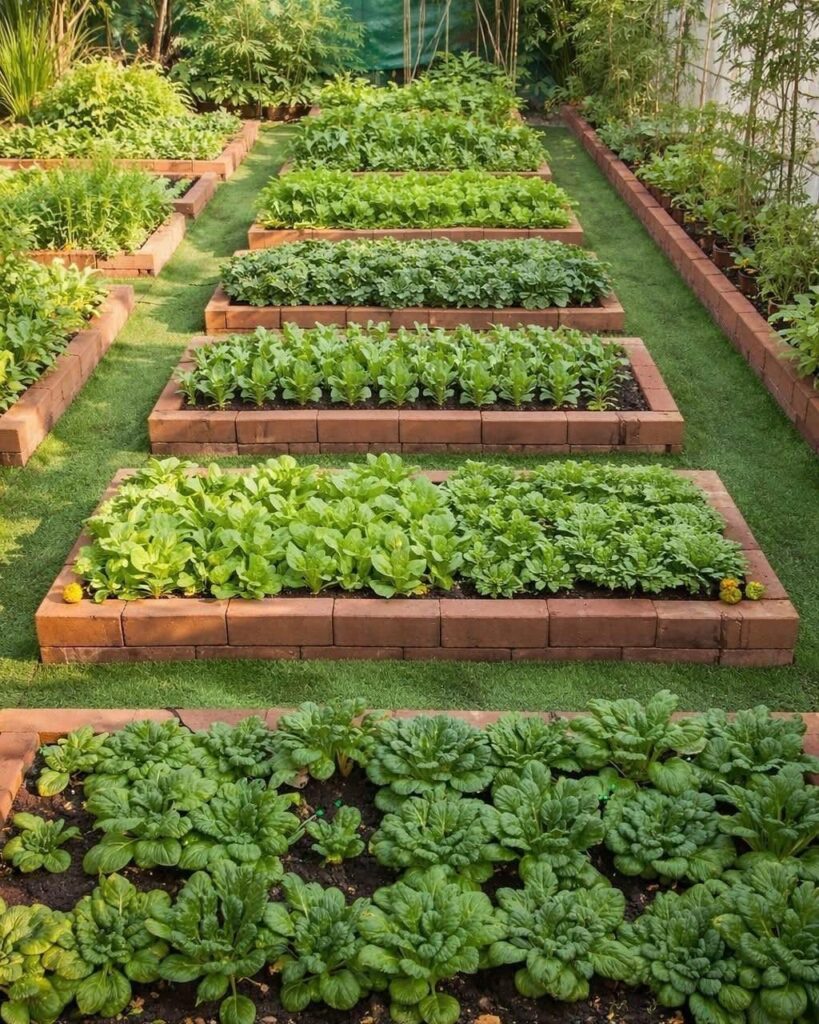
These ideas run from a single 5-gallon bucket on a patio to brick-edged raised beds with PVC hoop frames, and what separates one choice from another is the space you actually have and whether you are working with soil worth keeping or replacing entirely.
Most of the vegetables here want 6 to 8 hours of sun, so I would check that first before deciding on a layout.
[link-whisper-related-posts]1. Raised Beds
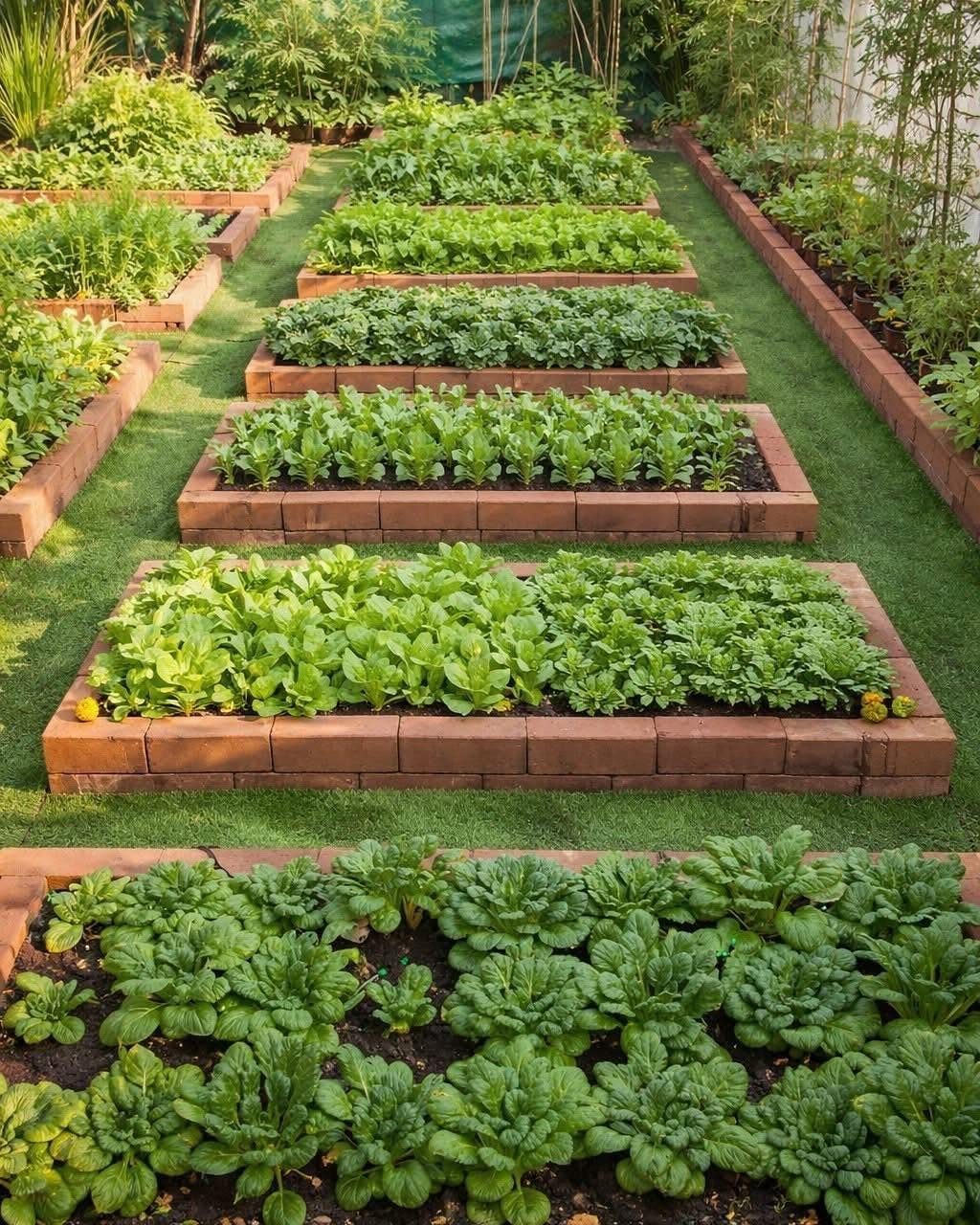
Brick edges keep the soil from spilling onto your lawn paths, and that containment is what makes raised beds worth the extra setup.
You control the soil mix instead of fighting whatever your yard grew before, and drainage improves because the bed sits above the compacted ground.
Before you start, check your sun. Most vegetables want 6 to 8 hours, and moving a brick bed once it is built is a project you will not want to repeat.
I would keep the width narrow enough to reach the center from either side; once you are stepping into the bed, you have lost the soil advantage.
2. Insect Netting
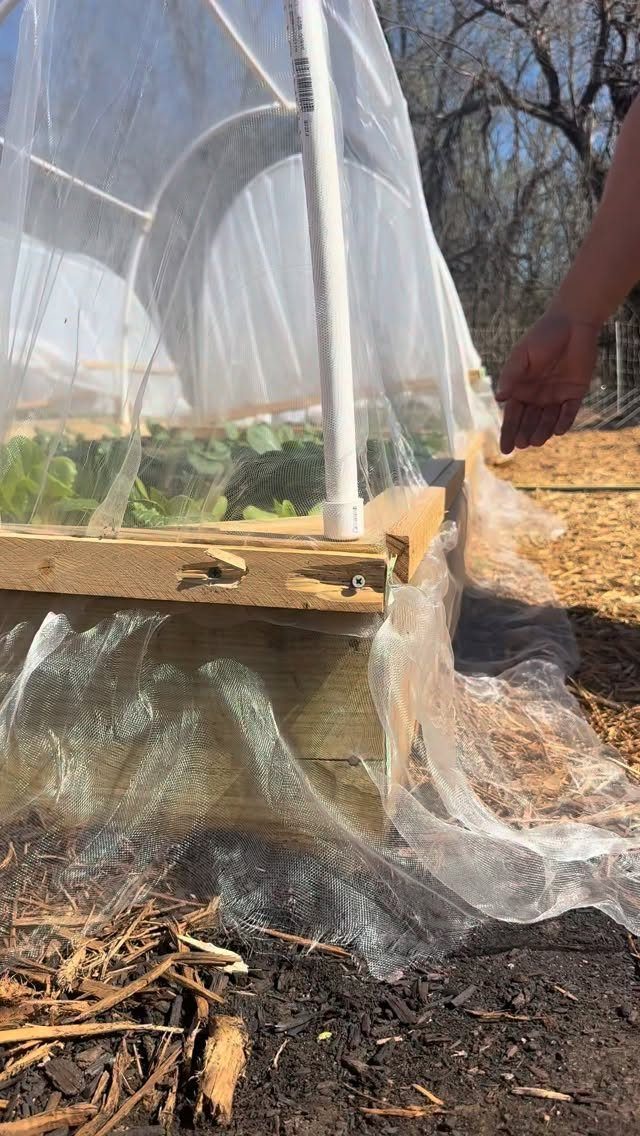
PVC pipe hoops turn a simple raised bed into a covered cage, and the white mesh keeps cabbage worms, flea beetles, and whatever else is flying this week off your leaves without spraying.
What I would check before buying: the mesh size.
Too fine and your plants cook on hot days; too loose and the moths walk through. A light frame is worth building; you will lift it daily once tomatoes start ripening, and a heavy setup gets old fast.
3. In-Ground Gardening
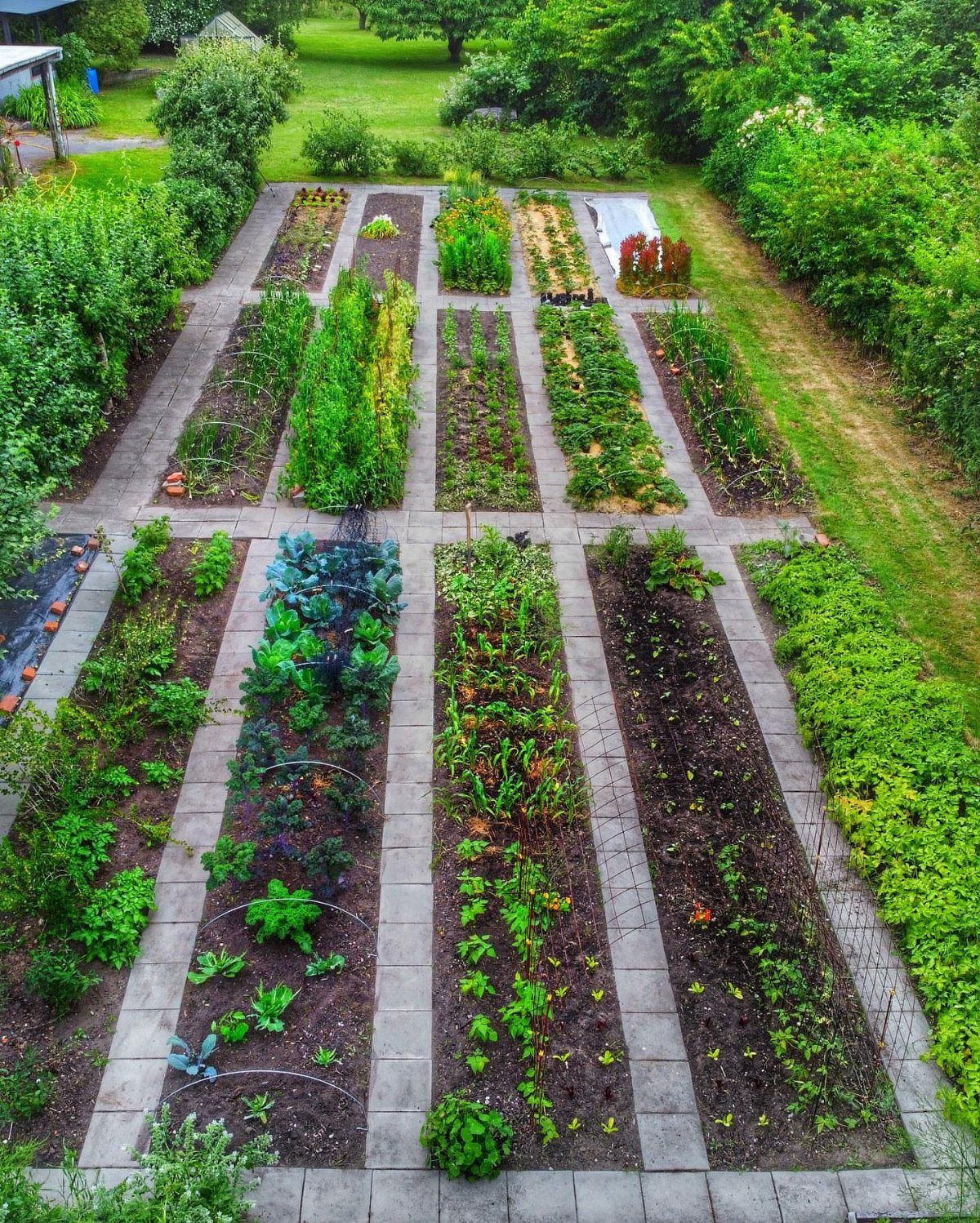
Paved paths between rectangular beds let you tend the soil without compacting it, and that layout is what makes in-ground gardening practical at scale.
You plant directly into native soil, which saves the cost of imported fill but means you are working with what you have.
Succession planting works best here. One lettuce row comes out, another goes in the same week, and your harvest stretches from May into October.
Before committing, I would test my soil for lead if the house is old enough to have seen lead paint, and I would mark the paths wide enough for a wheelbarrow. Narrow paths turn every harvest into a balancing act.
“A vegetable garden can be any size,” says Matt Mattus, senior director of horticulture at the American Horticultural Society. You don’t even need access to outside space, he says.
4. Consider Vertical Gardening
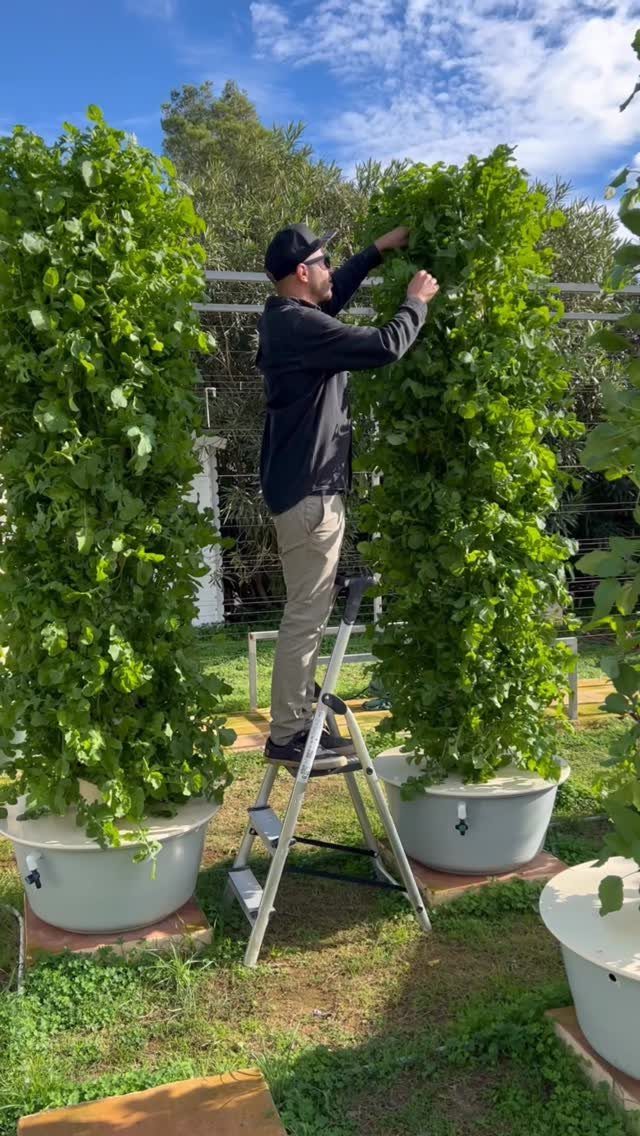
The footprint stays small, which is how you grow substantial greens on a patio or a strip of side yard where a raised bed would not fit.
I would plan for the weight.
Fully watered towers are heavy, and a strong wind on a balcony is a scenario worth imagining before you buy. Check that your surface can handle it, and that your water source reaches.
5. Harvest and Enjoy
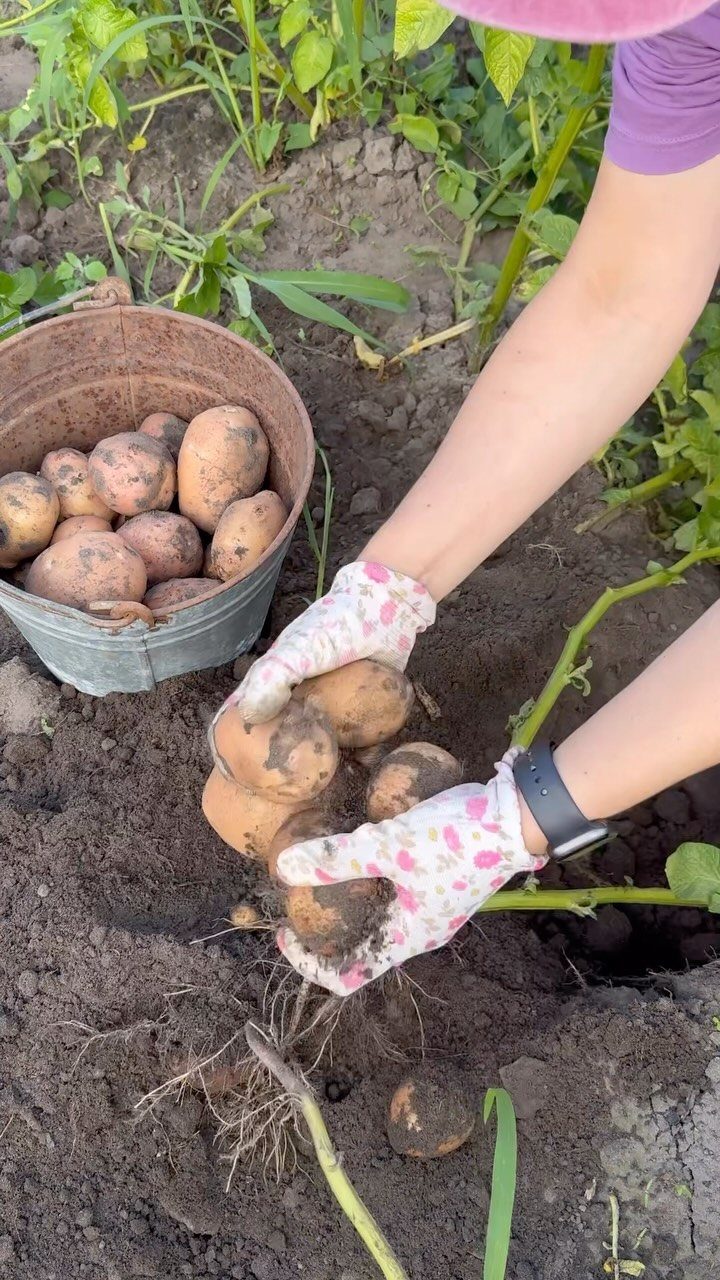
New potatoes pulled while the plant is still green taste sweeter than storage varieties, and the timing is earlier than most beginners expect. Stabbing through a potato you grew yourself is a particular frustration.
Harvest size is a judgment call. Smaller means tender; larger means more meals.
I would pull one hill as a test before I emptied the whole row, and I would do the work in the cool of morning when the plants are turgid. Warm afternoon harvesting stresses what is still in the ground.
6. Choose Container Gardening
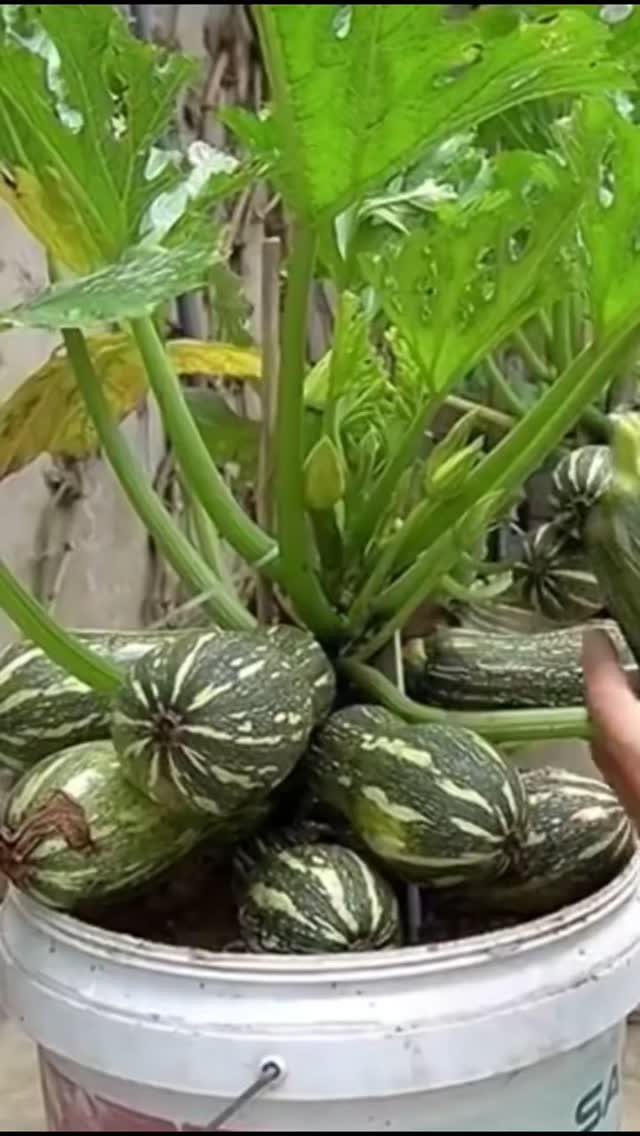
A 5-gallon bucket holds one zucchini plant if you drill drainage holes and feed it often, and that single-plant focus is what makes containers forgiving for beginners. Poor backyard soil becomes irrelevant; you buy potting mix and start fresh.
Containers dry out faster than ground soil. Soil in a white bucket dries fast on a July afternoon, and a zucchini vine wilts dramatically when it happens.
I would set up a saucer underneath or plan to check daily, not weekly. Before planting, I would also confirm the bucket is food-grade plastic if it is reused.
7. Watering Your Plants Regularly
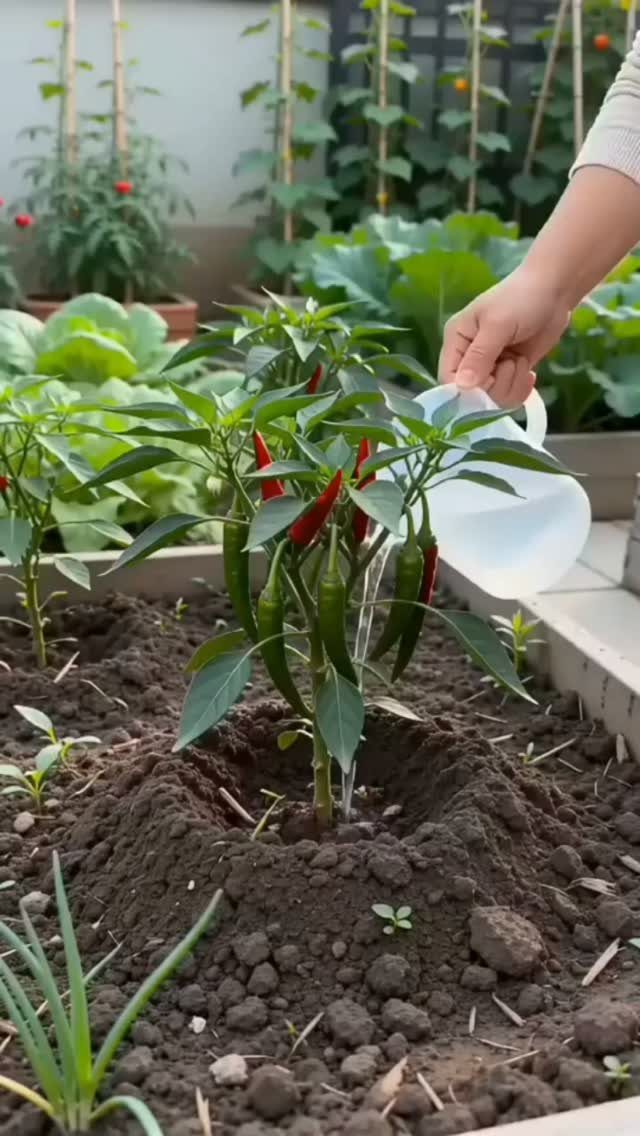
A white plastic pitcher lets you direct water at soil level, which keeps leaves dry and less prone to fungal problems than overhead spraying.
Hand watering is the right speed for beginners: you see wilting before it becomes damage, and you learn how fast your soil drains.
Time is what you give up. A pepper in a bed like this one wants steady moisture, and missing a couple days after a hot spell sets fruit back.
I would water morning, not evening, so leaves dry before night. Where daily hand watering is not realistic, a simple soaker hose on a timer is what I would add.
Common Beginner Mistakes
Three to five vegetable types, a small raised bed, and a few containers are enough for a first season. Summer will make everything grow at once, and a single zucchini plant produces more than most families want.
I would skip the mature plants already in bloom at the garden center.
Parsley exposed to cold can bolt once warm weather arrives, and stressed plants go to seed early with bitter, unpalatable leaves. Start from seed or buy small seedlings instead.
Stagger your planting rather than getting it all in the ground on April 15.
Many vegetables perform better with later timing, and succession planting keeps harvest manageable across weeks instead of overwhelming you in one weekend. You can always expand next season.
Seasonal Gardening Tips
I break the year into 4 jobs: spring is for getting plants in the ground, summer is keeping them alive and picking what ripens, fall is clearing out and maybe another round of spinach or kale, winter is spacing out seed catalogs and drawing next year’s layout.
I would match plants to my actual climate and the time I have.
Some vegetables want cool spring soil, others need real heat to do anything, and the gap between planting and picking can be short or long enough to forget you even sowed them.
A pepper that needs steady moisture through August is a bad fit if I travel every July; a quick-turn crop like lettuce suits a schedule with gaps.
Cool-season crops planted in late summer can extend harvest into October in many regions. Check your average first frost date, then count backward by the days-to-maturity on the seed packet to find your last reliable planting window.
Benefits of Gardening
Fresh produce from your own plants tastes better than store-bought, and grocery prices make that difference matter more each year. A tomato from the vine has flavor no shipping-ripe variety matches.
The savings build slowly. Initial costs for soil, containers, and seed eat into early seasons, but a established bed of lettuce or herbs cuts a real line from the grocery bill by year two or three.
I would track what I spend and harvest to know when my garden truly pays back.
The less measurable part matters too. Time outside with your hands in soil is screen-free in a way few other hobbies guarantee.
There is a particular satisfaction to eating food you coaxed into being, and pride in that process is hard to describe until you have felt it.
Frequently Asked Questions
What to plant in a vegetable garden for beginners?
Lettuce, tomatoes, and radishes are reliable first choices because they grow fast and forgive mistakes.
Leaf greens like spinach and kale mature quickly, while tomatoes and peppers thrive in warm sun once summer settles in. I would pick vegetables my household actually eats rather than what looks interesting at the garden center.
What is the most common mistake of first time gardeners?
Starting too big. One zucchini plant feeds more than my household of four can handle, so my first garden was just a 4×4 raised bed with lettuce, tomatoes, peppers, and two containers of herbs on the deck.
I pass over the tomato and pepper plants already showing flowers at the nursery; that early bloom usually means the plant got root-bound or stressed for water somewhere along the way and will sputter instead of settling in to grow.





