
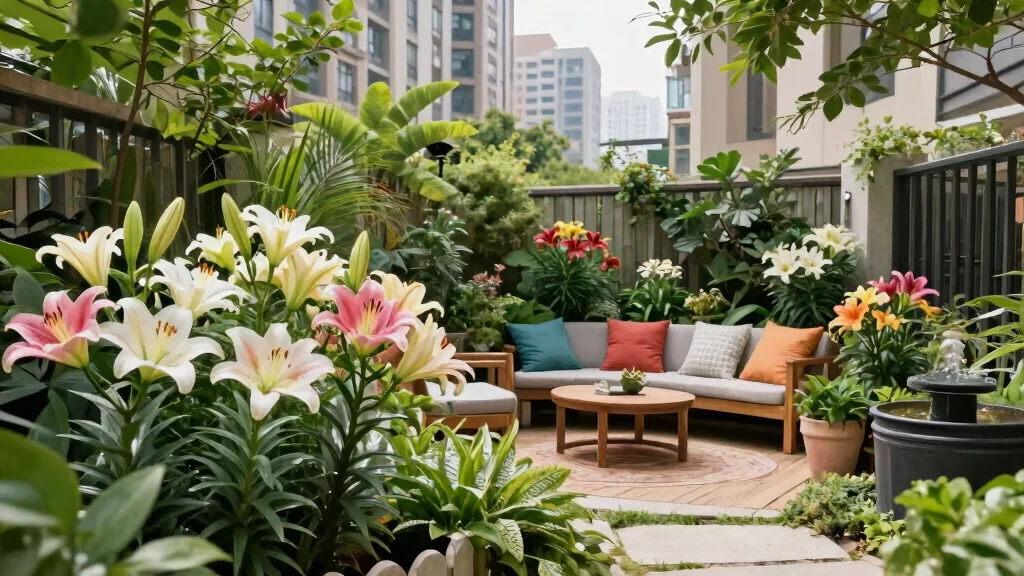
Creating a beautiful lily garden has been a passion of mine for years. As spring rolls around, the vibrant colors and enchanting scents of lilies fill the air, making me crave that floral beauty in my own outdoor space. If you find yourself dreaming of transforming a small urban area into a blooming oasis, this post is for you. Whether you have a compact balcony or a tiny backyard, you can create stunning flower beds that thrive in limited spaces.
In this blog post, I’ve gathered 14 inspiring lily garden ideas that cater specifically to small urban environments. You’ll discover tips and tricks for designing flower beds that are not only visually appealing but also easy to maintain. These ideas are practical, colorful, and tailored for anyone looking to add a touch of nature to their living space. Get ready to explore creative flower bed designs, garden landscaping ideas, and outdoor floral arrangements that showcase the beauty of perennial flower beds and colorful garden borders.
Key Takeaways
– Discover 14 unique lily garden ideas that fit perfectly into small urban spaces, allowing you to enjoy beautiful blooms even with limited room.
– Learn about flower bed designs that incorporate vertical planters and container gardens to maximize your space without sacrificing style.
– Explore seasonal rotations with lilies to ensure your garden is always in bloom, offering various colors and scents throughout the year.
– Find out how to attract pollinators by incorporating lilies for pollinators into your garden, creating a lively buzz of activity.
– Get ideas for low-maintenance lily gardens, so you can enjoy your beautiful outdoor space without overwhelming upkeep efforts.
1. Vertical Lily Planters
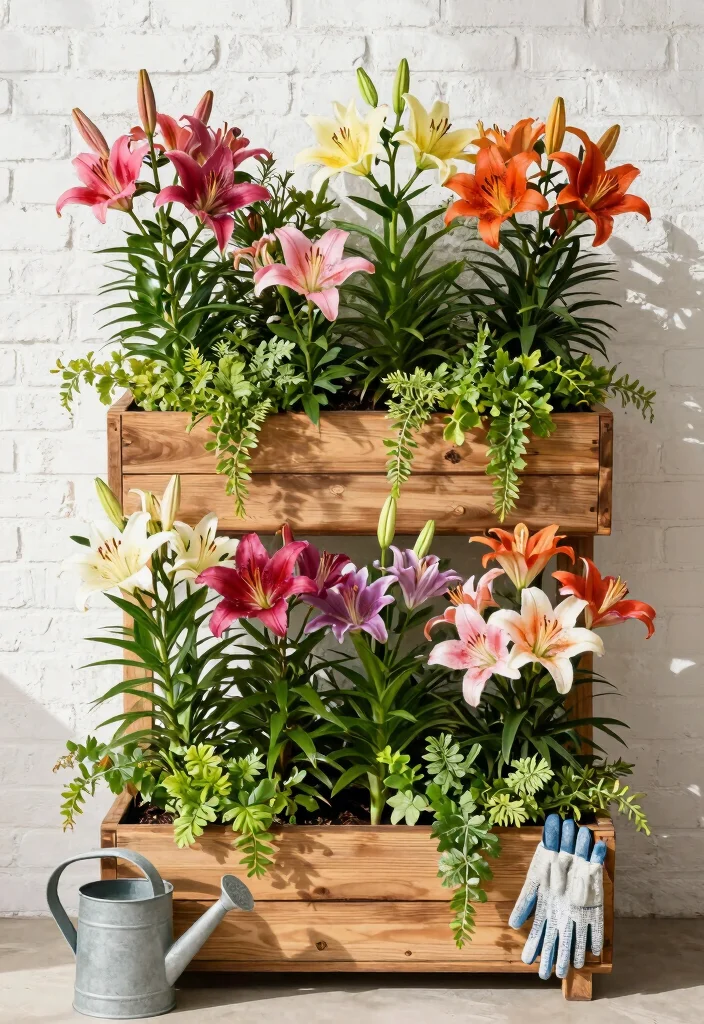
Vertical planters are a creative solution for maximizing limited space while showcasing beautiful lilies. This design principle not only utilizes vertical space effectively but also creates a stunning visual impact when cascading blooms enhance any wall or balcony. Imagine a wall adorned with vibrant lilies, their colors spilling over the edges, harmonizing beautifully with natural wood or metal planters.
To implement vertical planters, consider using recycled wood for a rustic touch or sleek metal for a modern look. You can find affordable planter boxes at garden centers or even make your own using materials on hand. Pairing lilies with trailing vines can create a lush, layered effect that brings life to your vertical garden.
Consider these elements for your vertical arrangement:
– Choose sturdy wood or metal for planters.
– Use a mix of lily varieties for varied blooms.
– Incorporate trailing plants for added depth.
Vertical planters not only save space but also become a striking focal point. The combination of textures and colors elevates your outdoor space, inviting you to enjoy the beauty of nature up close.
2. Container Gardens on Balconies
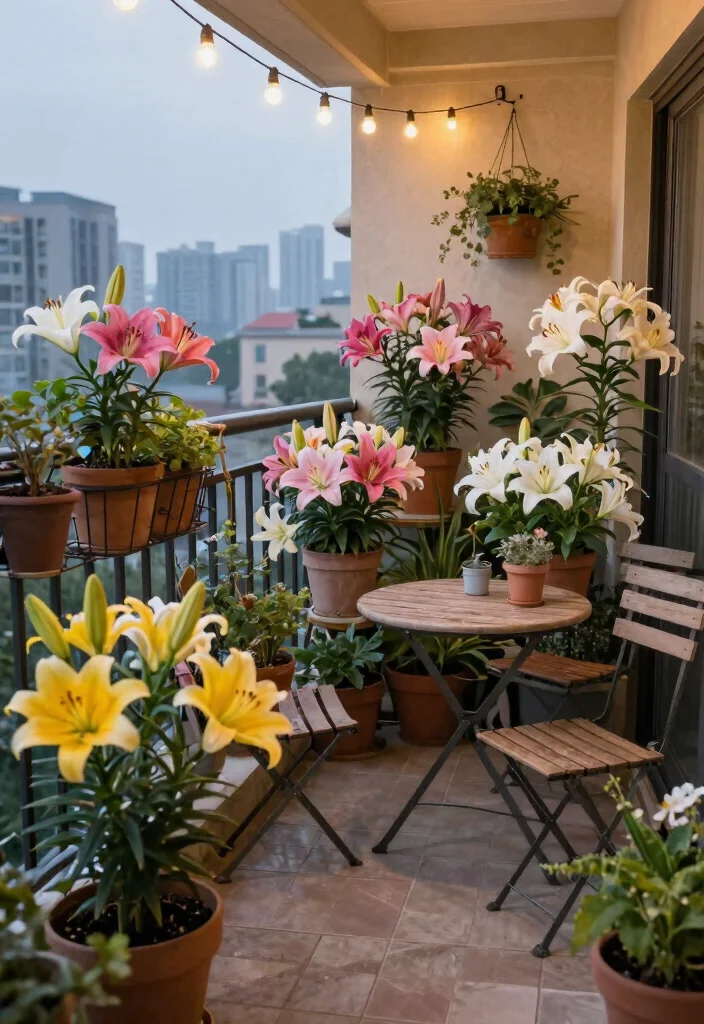
Container gardening can transform your balcony into a vibrant lily sanctuary, perfect for small spaces. By selecting a variety of pots, you can mix and match different lily species, creating an eye-catching display that changes with the seasons. The flexibility of container gardens allows you to rearrange plants easily, keeping your outdoor area fresh and inviting.
For a successful container garden, choose pots with proper drainage to promote healthy root systems. Grouping your pots can create a more organic look, while varying heights adds visual interest. Consider incorporating seasonal plants alongside your lilies for an ever-evolving garden that resonates with nature’s cycles.
Here are some tips for your container garden:
– Choose containers with drainage holes for healthy roots.
– Group pots for a more natural appearance.
– Experiment with heights for depth and dimension.
This method is ideal for balconies, allowing you to enjoy a blooming oasis year-round. The vibrant colors and textures of the lilies will create a joyful ambiance that enhances your living space.
3. Raised Flower Beds
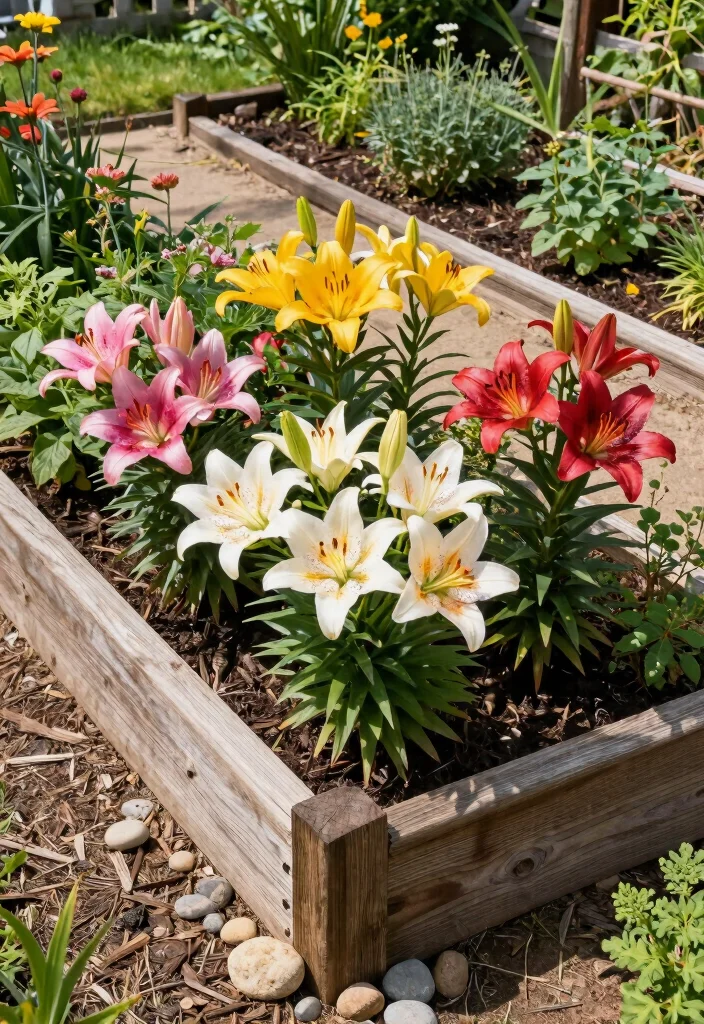
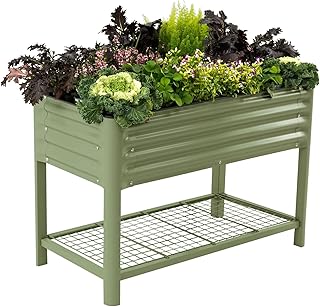
Raised flower beds offer a practical yet visually appealing way to cultivate your lily garden. These beds not only improve drainage and soil quality but also provide easy access for tending to your plants. Imagine a beautifully structured garden that elevates your lilies while making gardening tasks more comfortable.
To build your raised flower bed, consider using durable materials like wood, stone, or even recycled bricks for a sustainable touch. Filling your bed with a rich mix of soil and compost will ensure your lilies thrive while enhancing the overall aesthetics of your outdoor space.
Here are the benefits of raised flower beds:
– Minimize soil compaction for healthier growth.
– Provide easy access for all gardeners.
– Create defined garden sections for visual appeal.
This method not only beautifies your garden but also promotes a healthier growing environment. With the right materials and care, your raised beds will flourish, becoming a stunning feature of your landscape.
Raised Flower Beds
Editor’s Choice



4. Edge Your Garden with Lilies
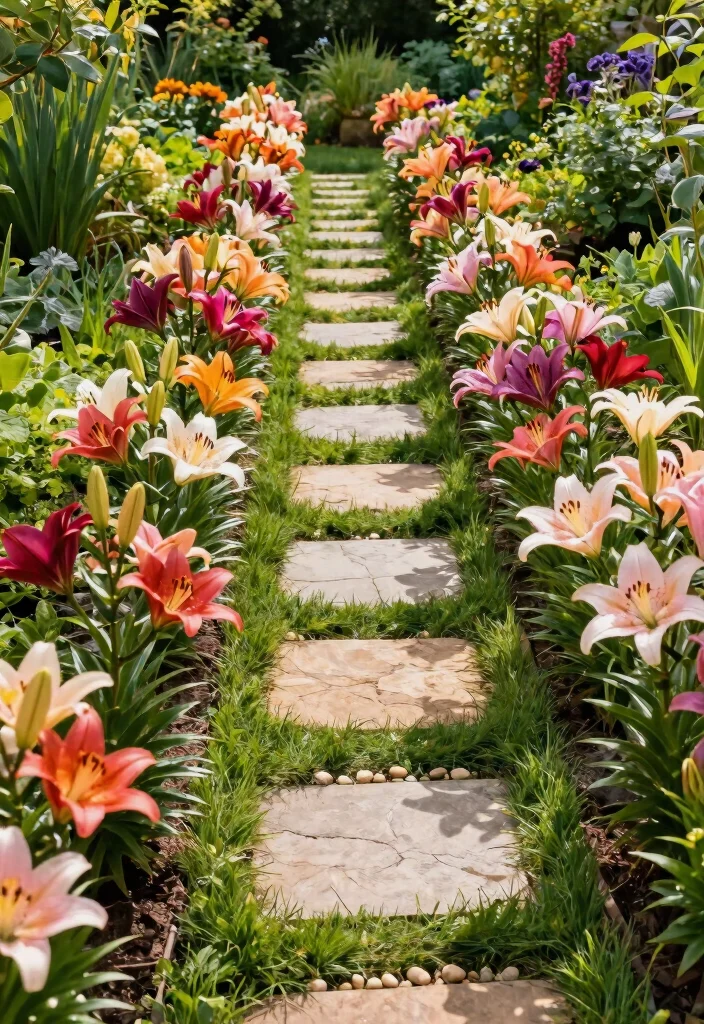
Using lilies to create striking borders is a fantastic way to define your garden and enhance its charm. Planting these vibrant flowers along pathways or garden edges helps guide visitors while adding a splash of color and fragrance. This simple design choice makes your garden more inviting and visually cohesive.
When selecting lilies for edging, opt for shorter varieties to maintain visibility and mix in ground cover plants for added texture. Proper spacing is crucial to allow air circulation, preventing mold and ensuring your lilies flourish year-round.
Here are some tips for edging your garden:
– Choose shorter lily varieties for visibility.
– Mix with ground cover plants for texture.
– Ensure proper spacing for air circulation.
Beautifully bordered lilies not only enhance the overall aesthetics but also create a fragrant pathway through your garden. Their vibrant colors will draw the eye, making your outdoor space a delightful retreat.
Edge Your Garden with Lilies
Editor’s Choice


5. Lily and Herb Combination Beds
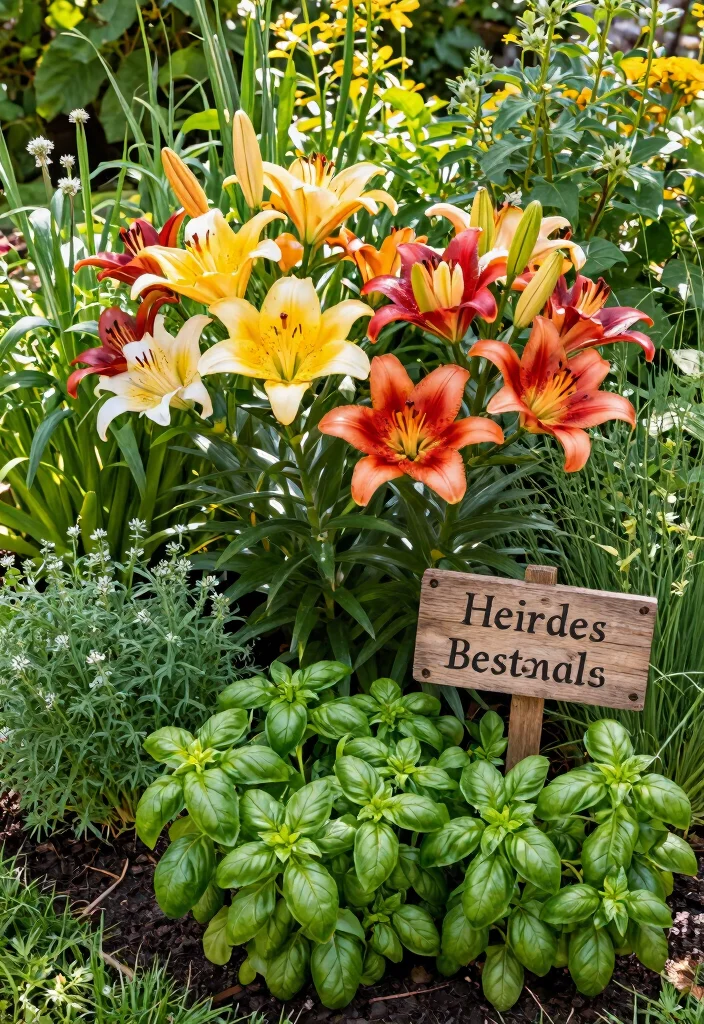
Creating combination beds with lilies and herbs adds both beauty and practicality to your garden. The visual appeal of the lilies paired with the aromatic herbs creates a sensory experience that delights the senses. This companion planting technique also promotes a healthier garden, as certain herbs can naturally deter pests.
Consider planting garlic or chives alongside your lilies for a natural pest repellant while using fragrant herbs like mint or basil to create a lush backdrop. Proper spacing is essential to ensure that the herbs complement rather than overshadow the delicate blooms.
Here are some combinations to try:
– Plant garlic with lilies for pest control.
– Use mint or basil for fragrant backgrounds.
– Ensure spacing for balanced growth.
This delightful pairing not only enhances the aesthetic beauty of your garden but also provides functional benefits, making the best use of your growing space.
6. Small-Scale Water Features
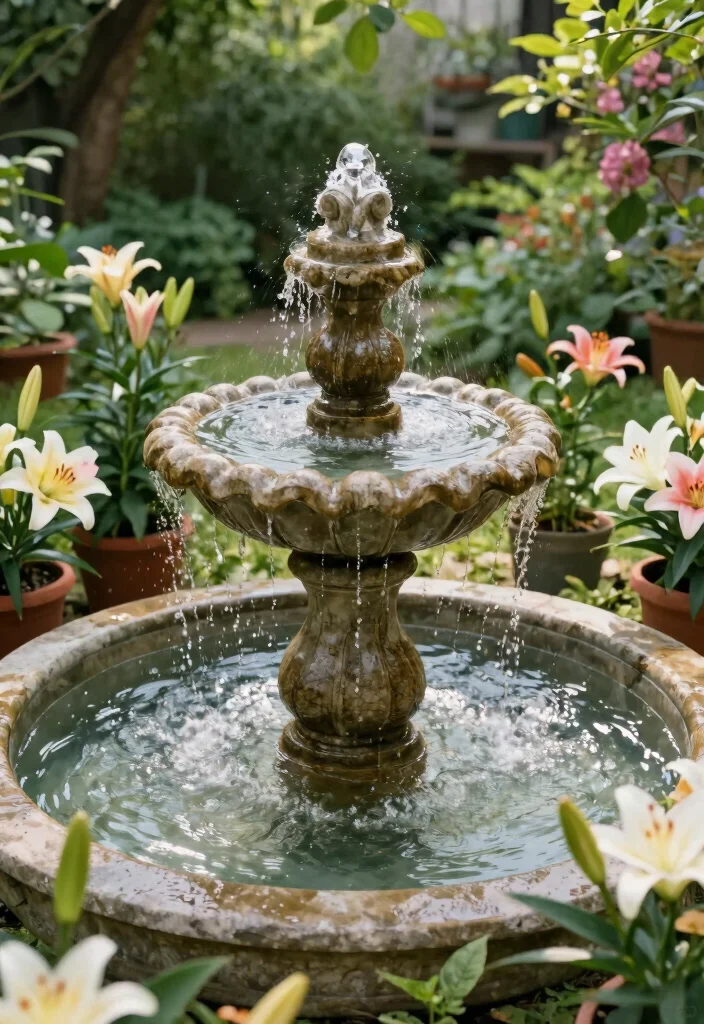
Incorporating small-scale water features into your lily garden can enhance its tranquility and charm. Even a simple birdbath or tabletop fountain creates a serene focal point that attracts wildlife and beneficial insects. Imagine the gentle sound of water mingling with the vibrant colors of your lilies, creating a peaceful retreat.
For an effective water feature, consider a tabletop fountain that adds soothing sounds without overwhelming your space. Surrounding a birdbath with lilies invites birds to visit, adding life and movement to your garden. Be sure to choose a feature that complements your existing layout for a cohesive look.
Here are some ideas for water features:
– Use a tabletop fountain for calming sounds.
– Place a birdbath amidst lilies for wildlife.
– Ensure easy maintenance for your feature.
The combination of water and flowers creates a delightful atmosphere, perfect for relaxation and enjoying nature’s beauty.
7. Seasonal Rotations with Lilies
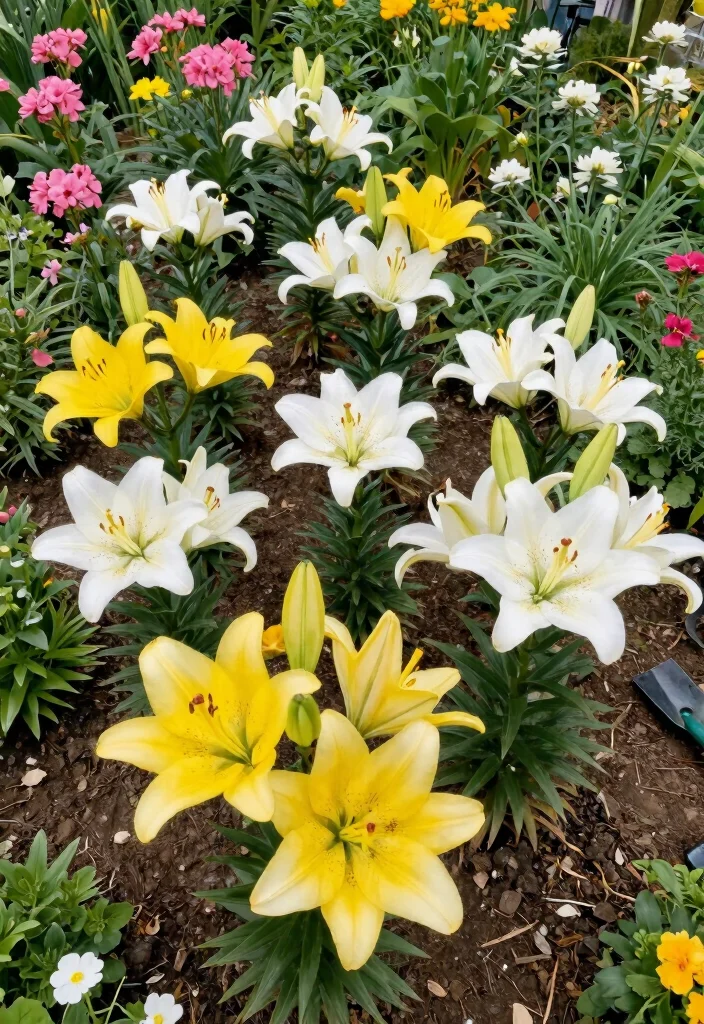
Embracing seasonal rotations in your lily garden keeps it vibrant and dynamic throughout the year. By planting early, mid, and late-blooming lilies, you can enjoy continuous color and freshness in your outdoor space. This method not only maximizes the blooming period but also adds layers of interest to your garden.
Selecting varieties that bloom in different seasons is key to extending the flowering period. Consider integrating annuals or perennials that can fill in gaps when lilies are not in bloom, ensuring your garden remains lively. Regularly refreshing the soil will promote healthy growth and vibrant blooms.
Here are some rotation strategies:
– Choose varieties that bloom in different seasons.
– Incorporate annuals or perennials for continuous interest.
– Refresh soil regularly to support growth.
This approach allows you to enjoy the beauty of lilies year-round while keeping maintenance relatively low and your garden always appealing.
Seasonal rotations keep lily garden ideas flower beds lively all year long. Plant early, mid, and late-blooming lilies to stretch color from spring through fall, and join with a few annuals to fill gaps. Practical tip: map bloom times and swap varieties each season for continuous beauty.
Seasonal Rotations with Lilies
Editor’s Choice





How To Choose the Right Lily Garden Ideas for Flower Beds
Choosing the best lily garden ideas for flower beds can be a delightful yet challenging task. With so many options available, you want to ensure you select the right design that suits your space and style. Here are some criteria to help you make an informed decision:
1. Space Availability
Before you start planning your lily garden, assess the available space. Measure the area where you want to plant. Small urban spaces may require compact designs, like vertical planters or container gardens. Ensure you account for sunlight exposure and accessibility for upkeep.
2. Color Palette
Consider the colors of the lilies you want to incorporate. Lilies come in various hues, from soft pastels to bold brights. Think about how these colors will complement your home and other garden elements. If you want a more tranquil feel, opt for softer shades. For a vibrant look, mix in colorful garden borders.
3. Planting Combinations
Mixing lilies with other plants can enhance your garden’s appeal. Consider companion planting, like pairing lilies with herbs or perennials. This not only creates visual interest but also attracts pollinators. Research which plants thrive together and plan your flower bed designs accordingly.
4. Maintenance Level
Evaluate how much time and effort you can devote to your garden. If you prefer low-maintenance options, focus on perennial flower beds and choose lily varieties that require less care. For more intricate designs, like fairy gardens, be prepared for regular upkeep.
5. Seasonal Considerations
Think about how your lily garden will look throughout the seasons. Some lilies bloom in summer, while others may blossom in fall. Designing your garden with seasonal rotations in mind ensures continuous blooms. This planning can help you create an outdoor space that looks great year-round.
6. Budget Constraints
Finally, consider your budget. Lily varieties can vary in price, and your overall garden design may involve additional costs for materials and accessories. Create a budget that includes plants, soil, and any other decorative features. This will help you stay on track while still achieving a beautiful garden.
Pro Tip: Start small! If you’re new to gardening, try a few pots or a small flower bed. As you gain confidence and experience, you can expand your lily garden ideas. This approach minimizes overwhelm and allows for better planning. Happy gardening!
8. Fairy Garden with Lilies
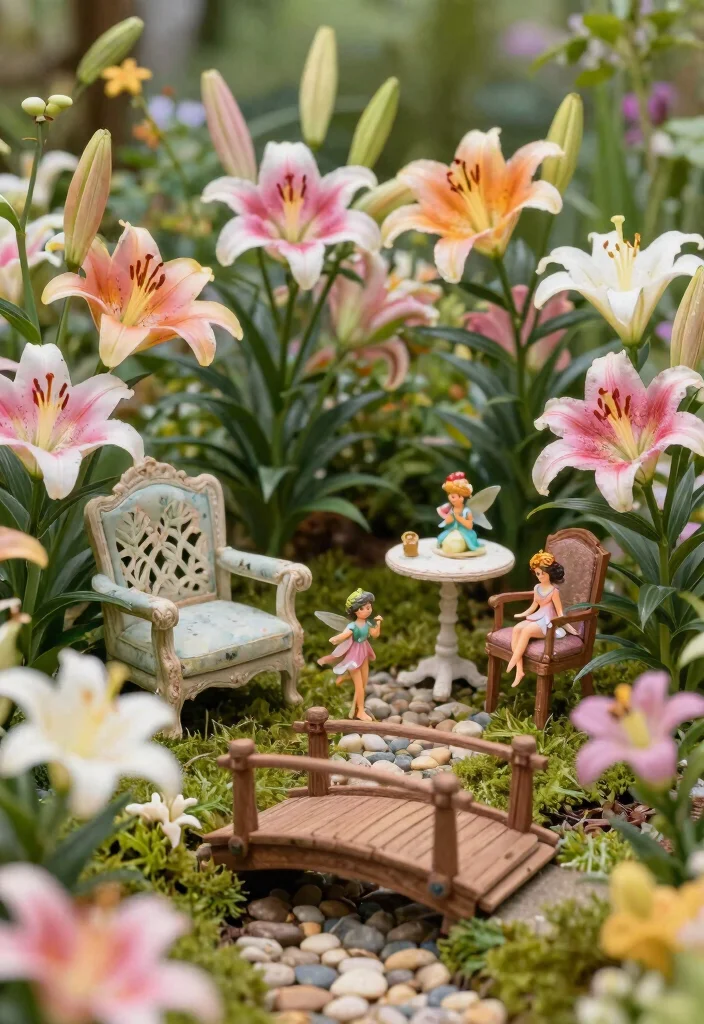
Creating a fairy garden that features lilies adds a whimsical touch to your outdoor area. By introducing miniature furniture, stones, and fairy figurines among the lilies, you craft an enchanting scene that captivates both children and adults alike. This imaginative garden idea invites creativity and makes for a delightful family project.
When designing your fairy garden, select smaller lily varieties that fit the theme. Adding decorative elements like tiny bridges and paths enhances the whimsical atmosphere. A mix of soil and pebbles will help create a natural look that complements your fairy tale setting.
Here are some tips for crafting your fairy garden:
– Choose smaller lily varieties for fitting scale.
– Add decorative elements like bridges and paths.
– Use a mix of soil and pebbles for a natural effect.
This charming garden concept invites imagination and can be a wonderful bonding experience for families, encouraging creativity in outdoor spaces.
Fairy Garden with Lilies
Editor’s Choice


9. Lilies for Pollinators
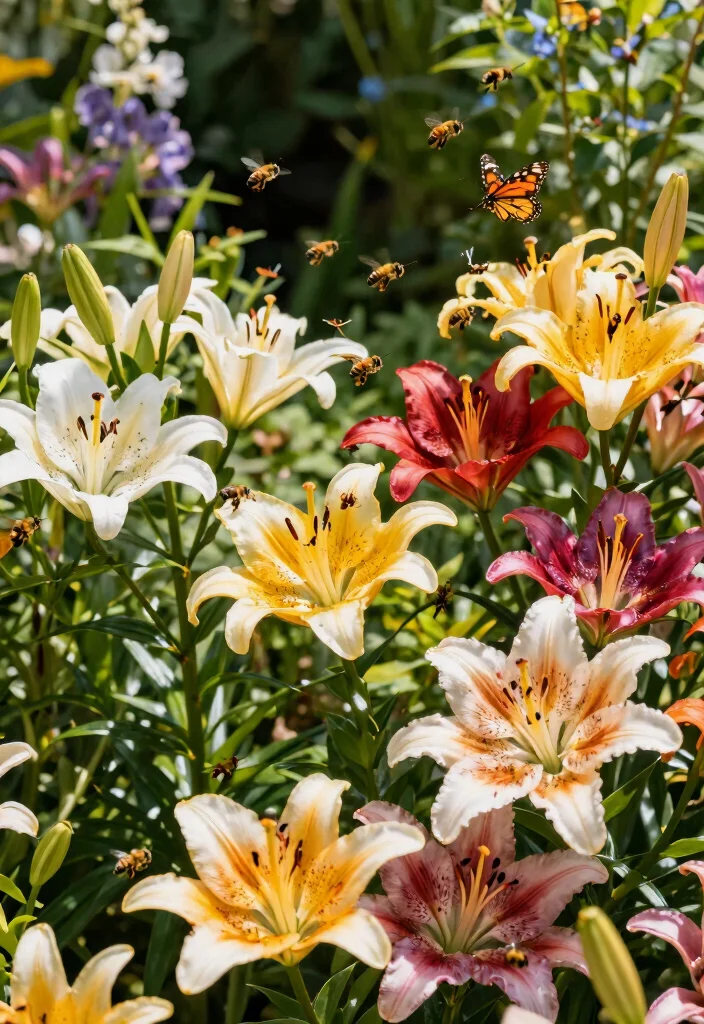
Designing a lily garden that attracts pollinators helps support local ecosystems while enhancing your garden’s health. Planting a variety of lilies alongside other nectar-rich flowers creates a welcoming environment for bees, butterflies, and other beneficial creatures. This not only beautifies your space but also contributes to the wellbeing of nature.
To attract pollinators, choose open-pollinated lily varieties that appeal to bees. Incorporating companion plants that bloom simultaneously will provide continuous food sources, while avoiding pesticides creates a safe haven for these vital insects.
Here are some pollinator-friendly strategies:
– Choose open-pollinated lily varieties for bees.
– Incorporate companion plants for continuous blooms.
– Avoid pesticides to protect pollinators.
By fostering a pollinator-friendly environment, your lily garden can become a lively hub of activity, supporting both beauty and biodiversity.
10. Themed Lily Gardens
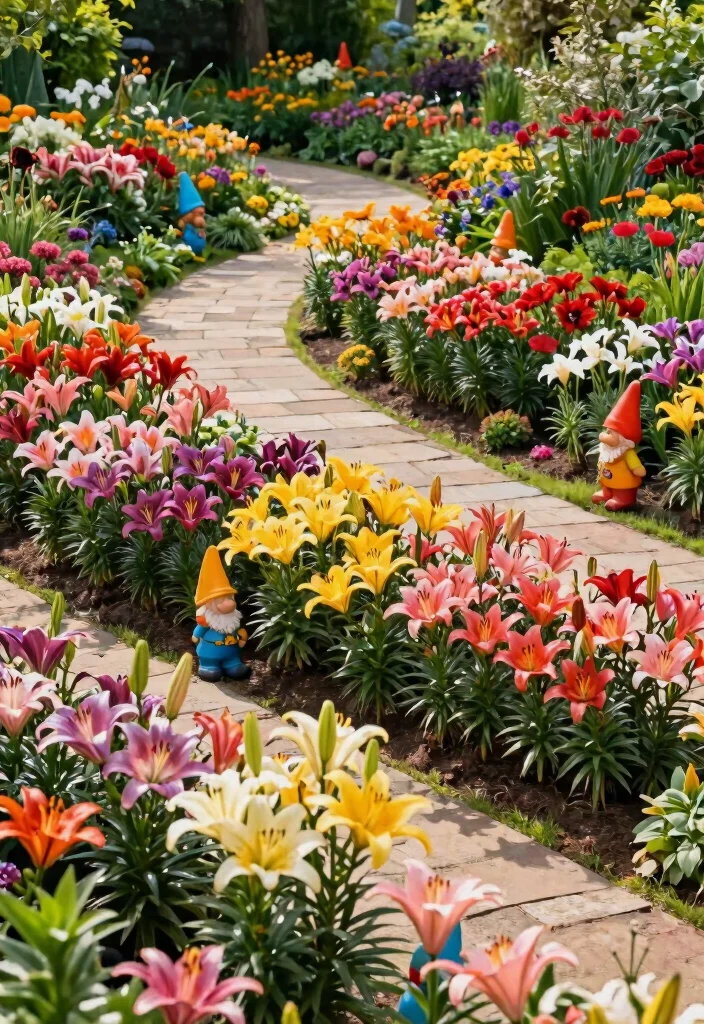
Creating a themed lily garden allows you to express your personality and style in your outdoor space. Whether you opt for a monochromatic white garden or a vibrant rainbow palette, the possibilities are endless. This approach not only beautifies your garden but also creates a cohesive and immersive experience for visitors.
When selecting lilies for your theme, ensure they fit within your chosen color scheme. Incorporate decorative elements like garden gnomes or sculptures that align with your design. Pathways and borders should also complement the overall aesthetic, enhancing the theme.
Here are some theming tips:
– Select lilies that match your color scheme.
– Incorporate decorative elements that fit the theme.
– Use pathways and borders to enhance the design.
A themed garden becomes more than just a collection of plants; it transforms into a captivating space that tells a story and invites exploration.
11. Companion Planting with Lilies
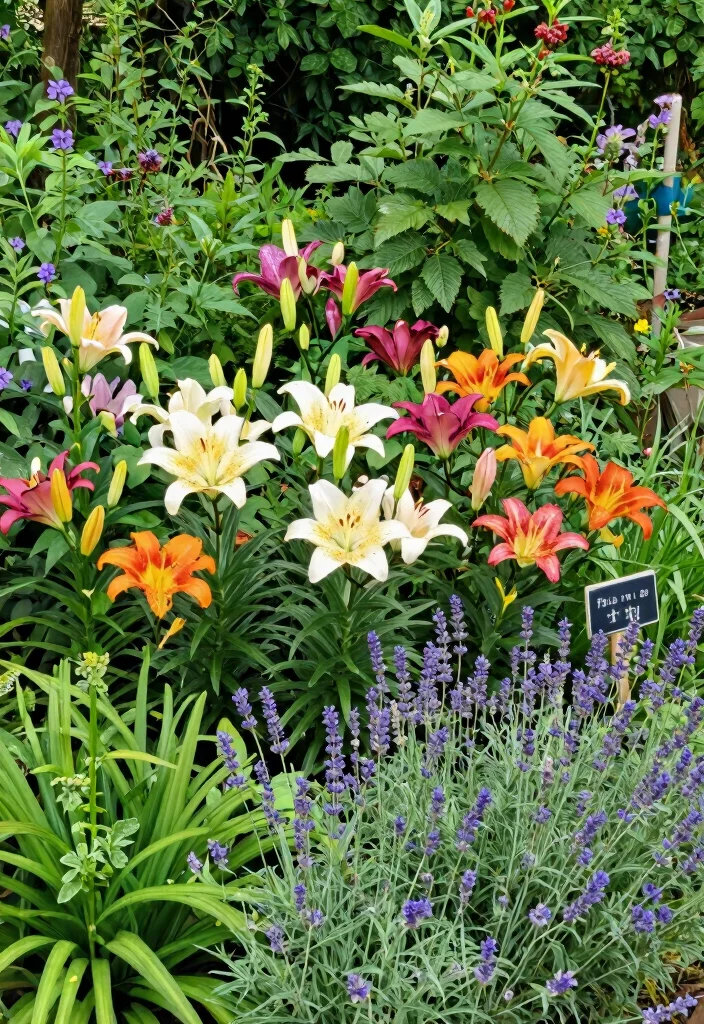
Companion planting with lilies fosters a harmonious balance in your flower beds, enhancing both aesthetics and plant health. Pairing lilies with compatible plants not only promotes their growth but also maximizes the visual appeal of your garden. This thoughtful approach leads to a thriving ecosystem where every plant contributes to the beauty of the whole.
Consider pairing lilies with daylilies or hostas to add depth and variety. Integrating low-growing ground covers fills in gaps beautifully, while fragrant herbs like lavender enhance the sensory experience in your garden.
Here are some best companions to try:
– Plant daylilies or hostas for depth.
– Integrate low-growing ground covers for filling spaces.
– Use fragrant herbs to enhance scents.
By selecting the right companions, you can cultivate a visually stunning garden that also supports the health and vitality of all your plants.
12. Low-Maintenance Lily Gardens
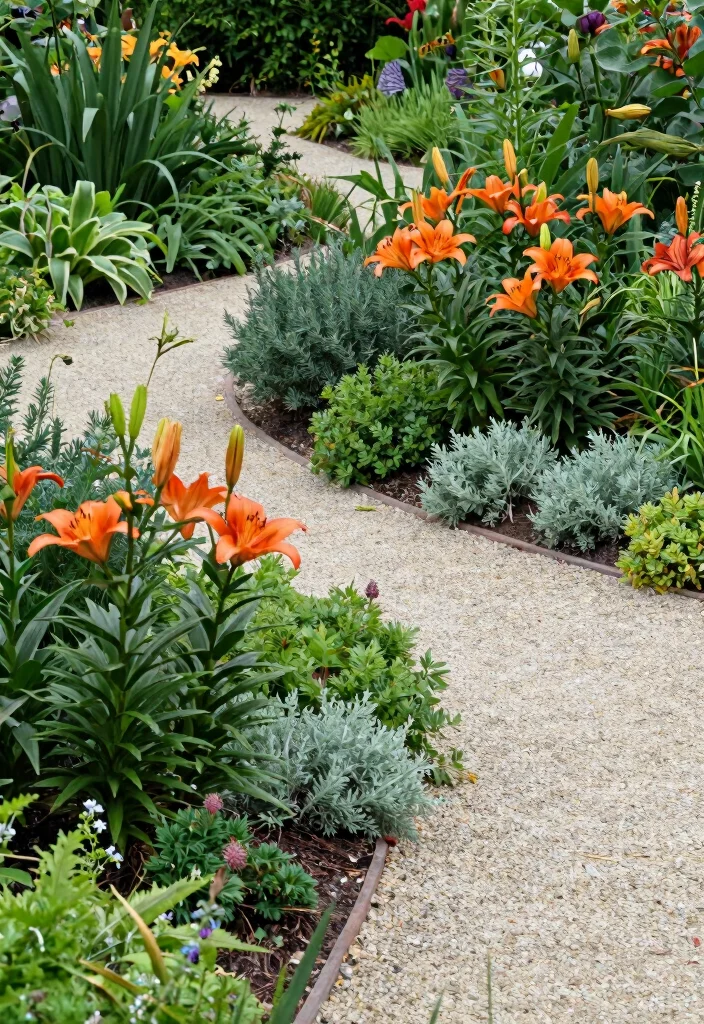
If you adore the idea of a lily garden but want to minimize upkeep, focus on low-maintenance designs. Incorporating hardy perennials and drought-resistant plants alongside your lilies can help reduce the care needed while still providing an impressive display. This approach allows you to enjoy the beauty of your garden without feeling overwhelmed by maintenance tasks.
To ensure a low-maintenance garden, select lily varieties that thrive in your local climate. Implementing mulch can reduce weeds and retain soil moisture, while planning for drought-resistant companions will minimize irrigation needs.
Here are some low-maintenance tips:
– Choose hardy lily varieties for your climate.
– Implement mulching to control weeds.
– Plan with drought-resistant companions for lower water needs.
This method provides an opportunity to enjoy a stunning lily garden without the constant demands of maintenance, allowing you to relax and appreciate your outdoor space.
Lily garden ideas flower beds can stay lush with low effort: choose hardy perennials and drought-tolerant companions. Mulch well, water deeply but less often, and let thriving lilies do the showing—low maintenance, big impact, gorgeous results.
13. Nighttime Blooms
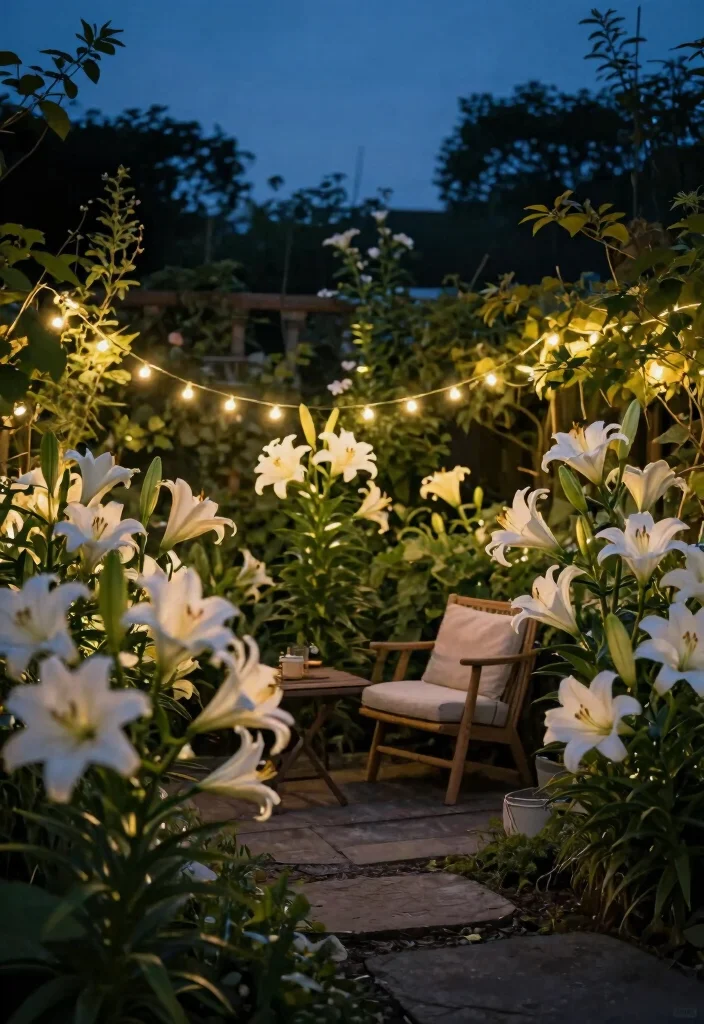
Some lily varieties bloom at night, infusing your garden with unique charm and allure as the sun sets. Night-blooming lilies can transform your outdoor space into a magical realm, making evening strolls an enchanting experience. These blooms invite you to explore the garden under the stars, enhancing the tranquility of the night.
To create a captivating nighttime display, choose varieties like the Easter lily or Casablanca, known for their exquisite fragrance. Adding ambient lighting, such as fairy lights or lanterns, will further enhance the enchanting atmosphere, inviting you to enjoy the beauty of your garden long after sunset.
Here are some tips for night blooms:
– Choose night-blooming varieties for fragrance.
– Incorporate ambient lighting for atmosphere.
– Create seating areas to enjoy evening blooms.
This unique twist on traditional gardening allows you to experience the beauty of lilies in a whole new light, making your garden a magical destination.
Nighttime Blooms
Editor’s Choice


14. Minimalist Lily Spaces
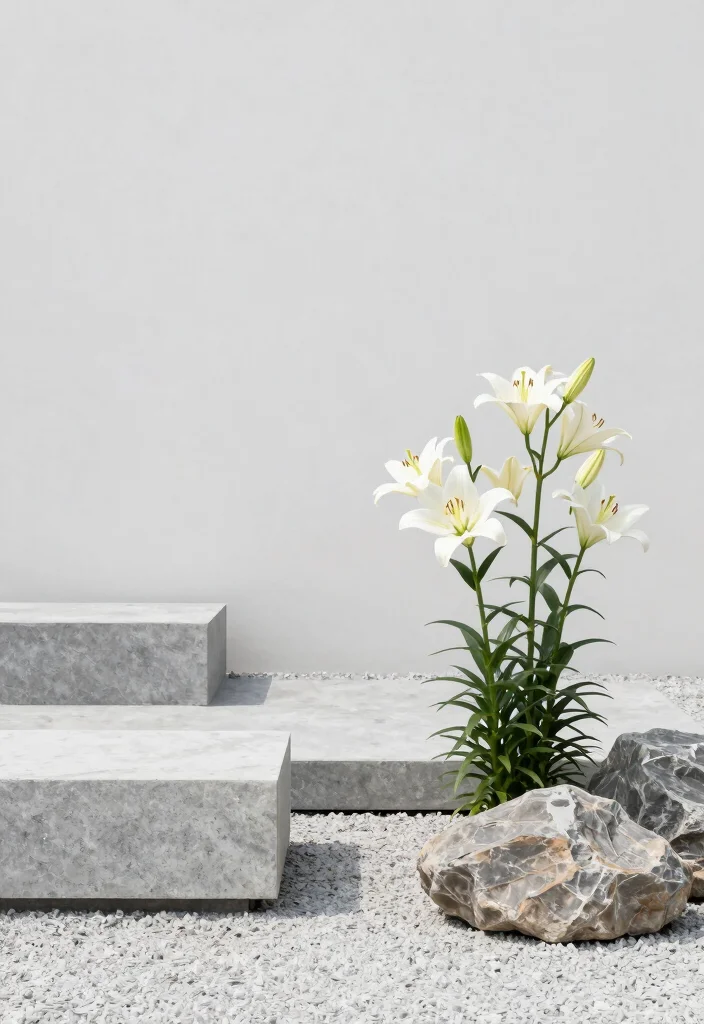
Adopting a minimalist approach in your lily garden creates a clean and modern aesthetic that highlights the beauty of each flower. This style emphasizes simplicity, featuring fewer plants but with a strong focus on design elements. A minimalist garden can be striking, allowing the elegance of your chosen lilies to take center stage.
To achieve a minimalist look, use a limited color palette that creates a cohesive feel throughout your garden. Incorporate geometric planters to enhance the modern aesthetic, and consider pairing lilies with rocks or gravel to minimize distractions while creating visual interest.
Here are some minimalist features to consider:
– Use a limited color palette for consistency.
– Consider geometric planters for modern design.
– Pair lilies with rocks or gravel for effect.
A minimalist lily garden can be both elegant and impactful, showcasing the natural beauty of your flowers while maintaining a serene and uncluttered environment.
Less is more with lily garden ideas flower beds: a simple palette and clean lines let each bloom speak. Stick to 2-3 lily varieties, add geometric planters, and watch your space feel calm, elegant, and instantly shareable.
Conclusion
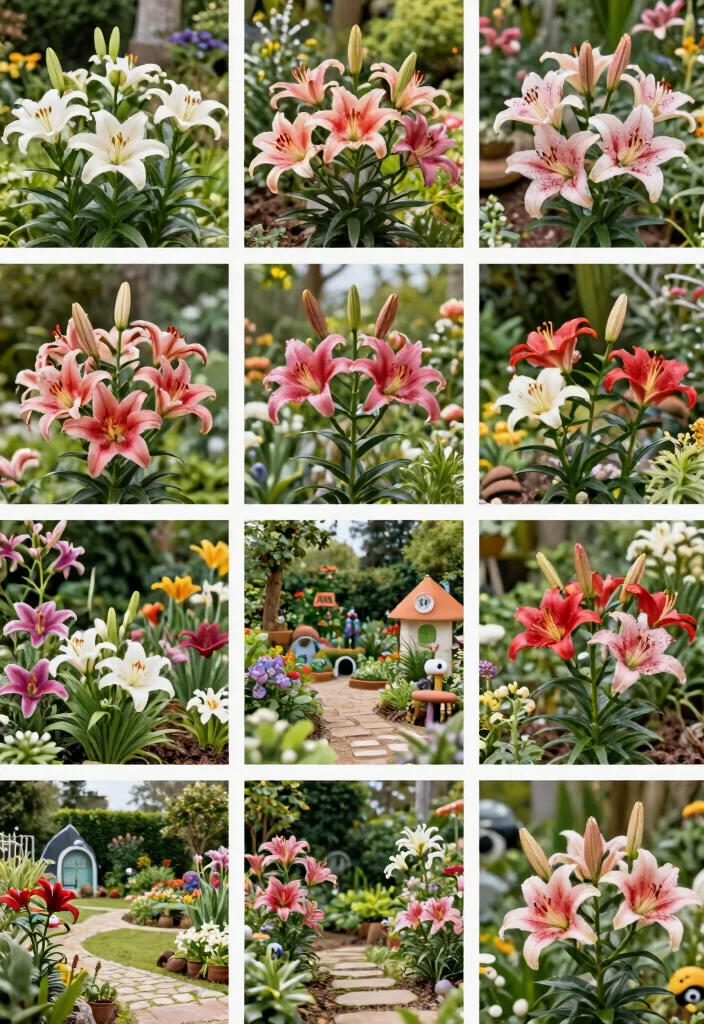
Your small urban space has endless potential when it comes to lily garden ideas. With creativity and a bit of planning, you can cultivate a space that bursts with color and fragrance. Whether you prefer a whimsical fairy garden or a minimalist design, the beauty of lilies can transform your outdoor area into a stunning retreat.
Let these ideas inspire your gardening journey, and embrace the joy that comes with blooming flowers!
Note: We aim to provide accurate product links, but some may occasionally expire or become unavailable. If this happens, please search directly on Amazon for the product or a suitable alternative.
This post contains Amazon affiliate links, meaning we may earn a small commission if you purchase through our links, at no extra cost to you.
Frequently Asked Questions
What are the best lily varieties for small urban garden beds?
For compact spaces, choose dwarf lilies and bulb varieties that stay tidy in containers.
Try a mix of lily garden ideas flower beds with dwarf Asiatic lilies and compact Oriental hybrids for bold color without crowding.
Lilies are perennials, so plant in well-drained soil in full sun to partial shade.
Plant bulbs 6-8 inches deep with 8-12 inches between bulbs, mulch well, and water after planting.
In small urban areas, containers let you swap colors to create colorful garden borders or focal points.
With proper care, these perennial flower beds return year after year and keep blooming.
How can I design a lily-focused flower bed that blooms all season in a small space?
Plan for sequential bloom: pick early, mid, and late-blooming lilies and mix them with a few complementary perennials for gaps.
Create a layered bed: tall lilies at the back, mid-height varieties in the middle, and low edging plants in front.
This classic flower bed designs approach works great in small spaces and helps you enjoy color from spring to late summer.
Add evergreen fillers, good mulch, and steady watering to support garden landscaping ideas in your space.
For a cohesive look, choose a color scheme that ties into your colorful garden borders while keeping the bed compact.
What are some low-maintenance lily garden ideas for balconies or raised beds?
Container-first planning saves space: select compact or dwarf lilies and cluster them in matching pots or a shallow planter.
Use a high-quality potting mix with excellent drainage, and ensure each pot has a drainage hole.
Water deeply when the top inch of soil dries, then let it dry slightly before watering again.
Feed with a balanced, slow-release fertilizer in spring and mid-summer.
Use lightweight supports for tall stems, and consider a simple, unified color palette to craft easy outdoor floral arrangements even on a balcony.
Raised beds also work well in tight urban spaces, creating a neat colorful garden borders look.
How can I create colorful borders around lily beds without overpowering the blooms?
Think height, color, and repetition.
Plant lilies toward the back or center and use low-growing border plants along the edge.
Pair lilies with companions that bloom at different times—like lavender, nepeta, or echinacea—to achieve a colorful garden borders effect without crowding the center.
Repeat a couple of color accents to unify the look, and keep the palette simple so your flower bed designs remain clean.
This approach makes your lily beds feel larger and more intentional, perfect for small urban spaces while still delivering a striking outdoor floral arrangements vibe.
What maintenance steps ensure lilies bloom beautifully year after year in small spaces?
Maintenance that keeps blooms coming: plant in fall for spring blooms or in early spring for summer performance, depending on your climate.
Mulch to insulate roots, deadhead spent flowers to encourage more blooms, and feed with a balanced, slow-release fertilizer in early spring and after flowering.
Keep beds neat, pull weeds, and inspect for pests like lily beetles.
In cold regions, protect containers with winter mulch or lift and store them.
Every few years, divide overcrowded bulbs to sustain vigor in perennial flower beds.
With these steps, your lily garden ideas flower beds stay vibrant year after year.
Related Topics
lily garden ideas
flower bed designs
urban gardening
colorful garden borders
perennial flowers
small space landscaping
easy flower arrangements
outdoor decor
seasonal blooms
beginner friendly
container gardens
landscaping tips