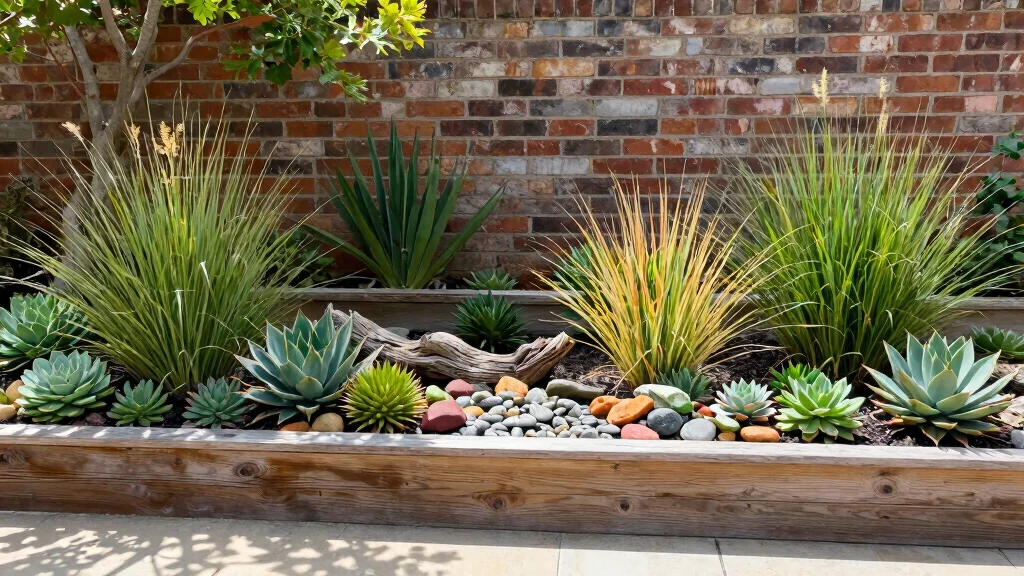
Gardening can be a source of joy, creativity, and nourishment, but with increasing concerns about water scarcity, many of us are looking for ways to make our gardens more sustainable. The idea of low water gardening has been on my mind lately, especially as summer approaches. I find myself craving a yard that not only thrives in the heat but also respects our precious water resources. If you’re someone who loves the idea of a beautiful garden without the guilt of overwatering, this blog post is for you.
In this guide, I’ve put together 15 fantastic low water gardening ideas that are not just friendly to the environment but also visually stunning. You’ll discover innovative approaches like xeriscaping techniques, native plant gardens, and captivating succulent landscapes. Whether you have a small urban space or a larger yard, these ideas are practical, creative, and sure to inspire you to create a thriving garden that conserves water.
Get ready to explore how you can transform your outdoor space into a drought-friendly oasis that reflects your love for nature and sustainability. You’ll walk away with actionable insights and fresh ideas to enhance your yard while reducing your water usage.
[link-whisper-related-posts]Key Takeaways
– Explore diverse options: Discover 15 unique low water gardening ideas, including rock gardens, native plant gardens, and succulent landscapes that fit various styles and spaces.
– Learn about sustainability: Understand how drought-resistant plants and xeriscaping techniques can help you create a beautiful garden while conserving water.
– Practical tips for urban gardens: Find actionable advice tailored to small urban spaces, making it easier for you to implement these ideas regardless of your yard size.
– Embrace edible landscaping: Learn how to incorporate food-producing plants in a drought-friendly manner, allowing you to enjoy homegrown produce without excessive water waste.
– Get inspired by nature: Draw inspiration from native plants and wildflower meadows, which not only reduce water needs but also support local wildlife and contribute to biodiversity.
1. Rock Gardens
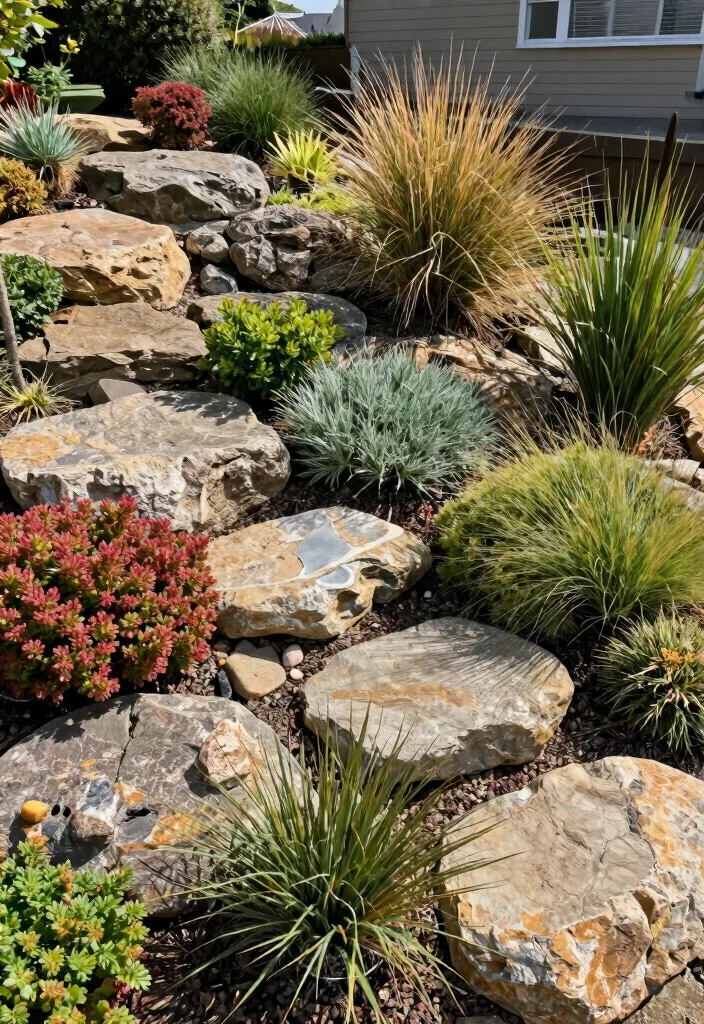
Rock gardens embody the essence of low-maintenance beauty, thriving effortlessly in arid conditions while showcasing a striking visual appeal. The interplay of various stone sizes and colors creates a captivating texture that harmonizes beautifully with the surrounding greenery. Imagine a small urban nook transformed with layered stones, succulent plants, and ornamental grasses that flourish in the sun.
To bring this vision to life, consider employing xeriscaping techniques, which emphasize native plants like sedums that conserve water once rooted. The combination of rocks and greenery nurtures microclimates, helping your plants to thrive in even the driest conditions.
Consider these elements to maximize your rock garden’s potential:
– Pair local stones to enhance aesthetics and cut costs.
– Layer varying rock sizes for depth and interest.
– Incorporate drought-resistant plants in stone crevices for a natural look.
This design approach not only requires minimal upkeep but also creates a vibrant habitat for local wildlife while adding year-round interest to your garden.
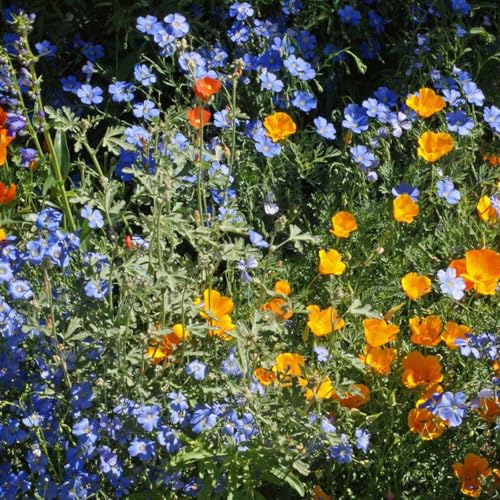
16 Western Native Wildflower Seeds - This premium wildflower seed mix features California Poppy, Arroyo Lupine, Palmer Penstemon, Blazing Star, Blue Flax, Tidy Tips, and more drought-tolerant native flower seeds built for sunny Western landscapes.

EXTRA LARGE PACKET contains over 1 full ounce of pure live seeds (7,500+ seeds) - Enough to cover 100 square feet.
How To Choose Low Water Plants for Your Drought-Friendly Garden
When planning a low water garden, selecting the right plants is crucial for creating a sustainable and beautiful space. Here are key criteria to think about when choosing the best plants for your yard.
1. Understand Your Climate
Different plants thrive in varying conditions. Know your USDA Plant Hardiness Zone to identify which plants will best survive in your environment. Research plants that are native to your region; they often require less water and maintenance since they are already adapted to local weather patterns.
2. Select Drought-Resistant Plants
Look for plants specifically labeled as drought-resistant. These plants can withstand dry conditions and will flourish with minimal watering. Examples include succulents, lavender, and ornamental grasses. These plants not only save water but also provide texture and color to your garden.
3. Consider Plant Size and Growth Habit
Think about how much space you have and the mature size of the plants. To avoid overcrowding, check the expected width and height of each plant. Taller plants can be positioned in the back, with shorter varieties in front, creating a visually pleasing layout.
4. Assess Soil Type
Your soil type greatly influences plant health. Sandy soils drain quickly, while clay soils retain moisture. Conduct a soil test to determine its pH and nutrient content. You may need to amend your soil with organic matter to improve drainage and nutrient retention, particularly for drought-resistant plants.
5. Group Plants by Water Needs
Design your garden by grouping plants with similar water needs together. This technique, known as hydrozoning, allows you to water specific areas more effectively. You can use drip irrigation or soaker hoses to target these groups, reducing waste and ensuring healthy growth.
6. Plan for Seasonal Changes
Consider how your garden will look throughout the year. Choose a mix of perennials and annuals to ensure continuous blooms and greenery. Plants like sedums and cone flowers can provide color in different seasons, keeping your yard dynamic and engaging year-round.
Pro Tip:
Before making your final selections, visit local nurseries or botanical gardens. Observing plants in person will give you a better idea of their size, growth habits, and how they fit into your garden’s aesthetic. Don’t hesitate to ask staff for recommendations on plants that perform well in your area.

💧 Complete All-in-One Irrigation Kit – Everything You Need in One Box : Includes 40 ft of 1/2” main tubing, 200 ft of 1/4” distribution tubing, 30 precision sprayers (stream drippers, vortex emitters & mist nozzles), plus all connectors and fittings. Easily covers up to 250 sq. ft. in a single line or two 120 sq. ft. zones—perfect for gardens, raised beds, and greenhouses.

Kit converts a pop-up sprinkler spray head into a water-saving Drip emitter system
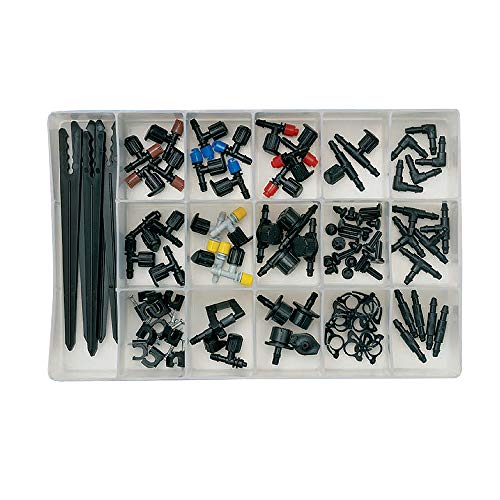
For optimizing plant health by applying water directly at the plant roots
2. Native Plant Gardens
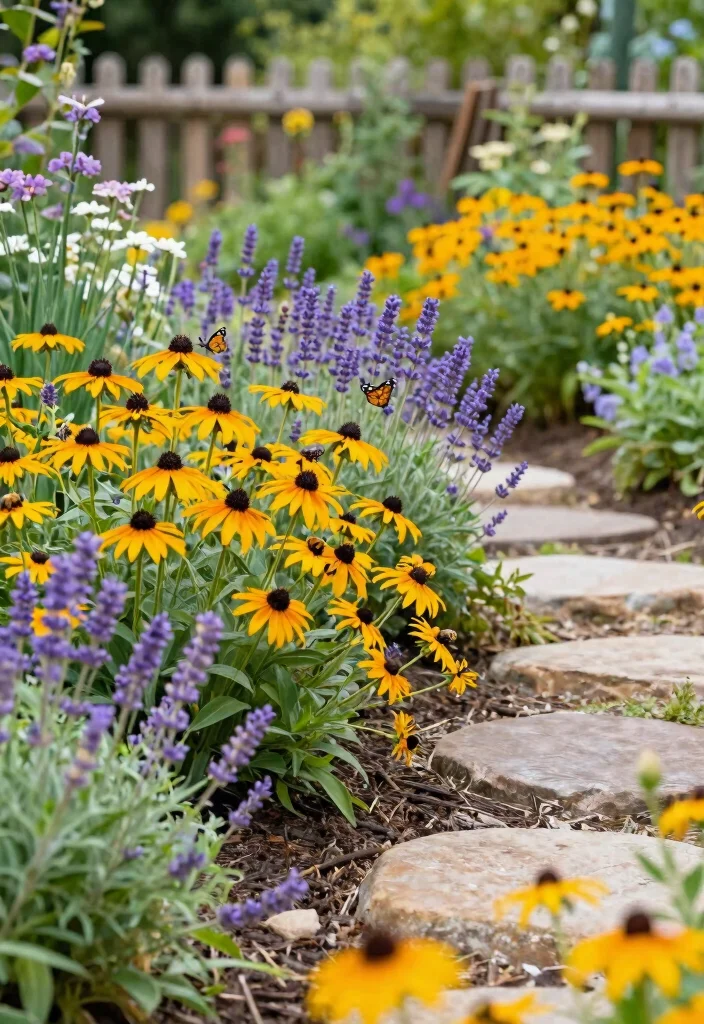
A native plant garden is a brilliant way to cultivate a drought-friendly landscape that attracts local wildlife. These plants are adapted to your local environment, requiring less water and care once established. By choosing a variety of species that bloom across seasons, you create a stunning, ever-changing tapestry of color and life.
Incorporating plants like coneflowers, black-eyed Susans, and lavender not only enhances visual appeal but also invites bees and butterflies to your yard. This approach fosters both beauty and ecological health, bringing nature closer to home.
Consider these tips for your native plant garden:
– Group plants based on their water needs for easier maintenance.
– Use mulch to retain soil moisture and suppress weeds.
– Include native grasses to enhance habitat and aesthetic.
With thoughtful planning, native plant gardens can be both eye-catching and sustainable, making them an ideal choice for urban environments.

Comprehensive Small Garden Tools: Our indoor garden kit Not only for succulents, but also suitable for bonsai plants, cactus and most of indoor small plants. The mini garden tools set meets your various gardening needs like potting mat, digging, watering, loosening soil, transplanting, cleaning, pruning, weeding, etc. Lightweight, Easy carry and wash after every use. Just pat dry.

Material: Made of plastic, wood, iron, rubber, stainless steel.

Package include: 1 x Watering Bottle(250ml); 1 x Cleaning Brush; 1 x Pair of Curved Tip Tweezer; 1 x Leaf Trimmer; 1 x Air Dust Blower; 1 x Bucket Shovels; 3 x Transplanting Tools; 3 x Shovel Rake Spades; 1 x Mat (19.7 inch*19.7 inch); 10 x Tags; 5 x planter mesh pads; 2 x Gloves (1Pair).
3. Succulent Landscapes
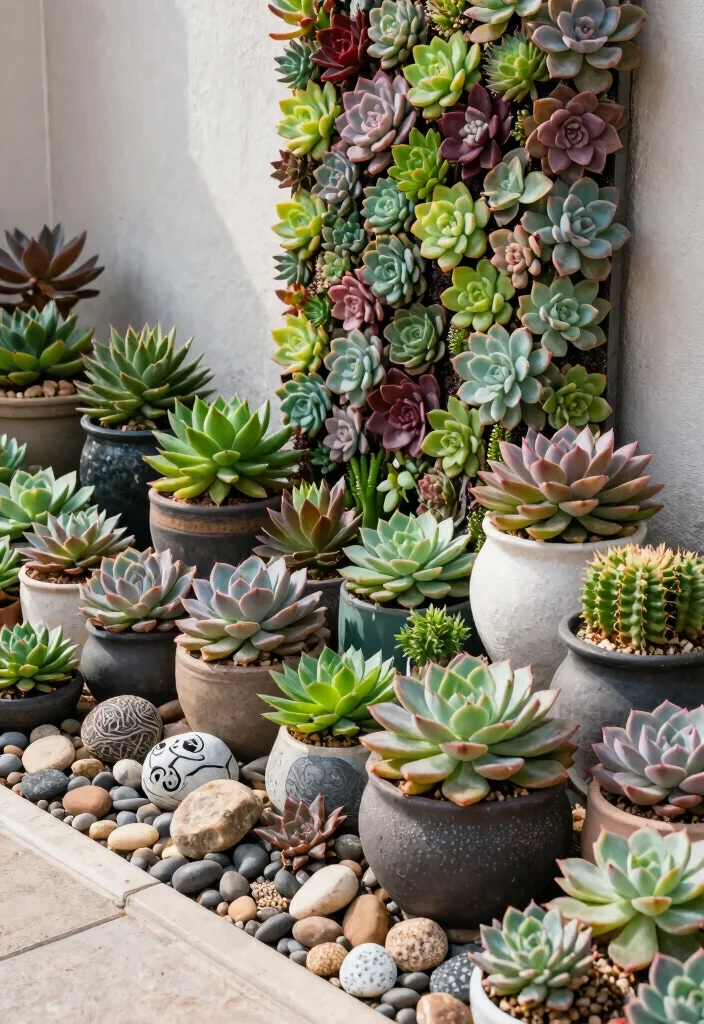
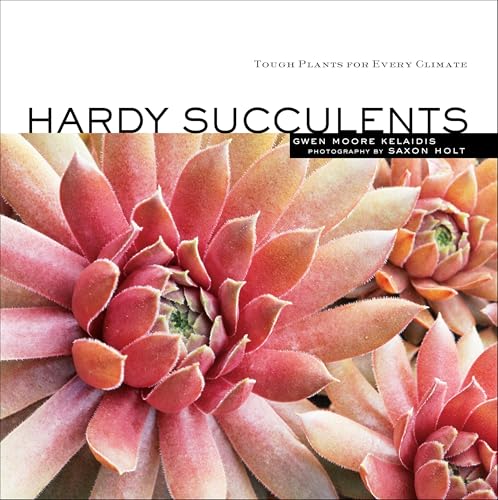
For those who appreciate modern aesthetics, succulent landscapes are a dream come true! Known for their ability to store water, succulents thrive in arid conditions, making them a perfect choice for low-water gardens. Their diverse shapes, colors, and textures allow for playful and creative designs that stand out in any setting.
Place these vibrant plants in decorative containers or dedicate an entire garden bed to them, mixing different varieties for added interest. This playful approach can transform your garden into a visual feast while keeping water usage low.
Keep these maintenance tips in mind:
– Ensure proper drainage in pots to prevent overwatering.
– Pair succulents with stones or gravel to enhance design and moisture management.
– Create a succulent wall for a stunning vertical display.
Succulent landscapes not only offer sustainability but also make a bold statement, especially in urban environments.

100% PERMEABLE ROCK GLUE FOR LANDSCAPING AT AN UNBEATABLE VALUE: Our 100% permeable stone glue covers up to 200 sq ft, securing rocks, pea gravel, pebbles & decomposed granite with lasting strength, while staying permeable to support soil hydration & nutrient flow

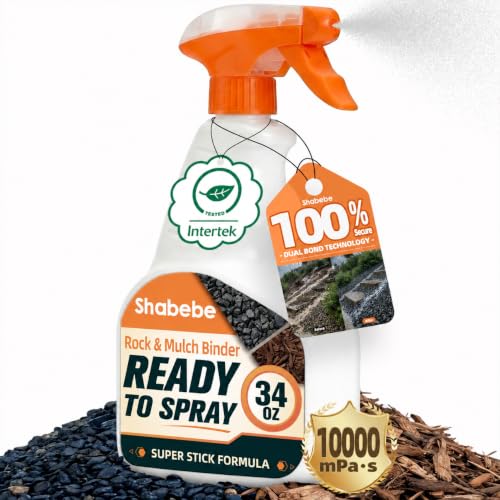
【PROFESSIONAL MULCH & ROCK STABILIZER】Keep mulch, pea gravel, decorative stones, wood chips, and small landscaping materials securely in place. Designed to help reduce shifting, scattering, erosion, and washout while creating clean, well-maintained garden beds, pathways, patios, and landscape borders.
4. Dry River Beds
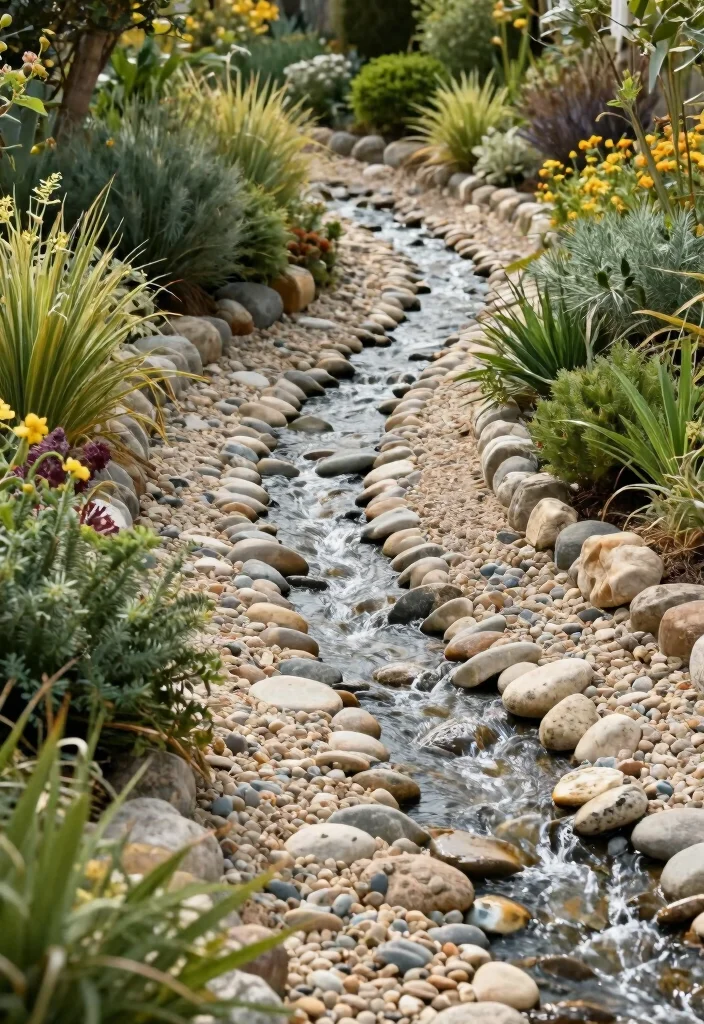
Emulating the natural allure of a dry creek bed can turn your garden into a serene oasis. This design technique uses stones, gravel, and drought-resistant plants to mimic the gentle flow of water across your landscape. This eye-catching style not only beautifies your space but also promotes effective drainage and reduces erosion.
Incorporate plants like lavender, agaves, and ornamental grasses along the edges to soften the stones and add vibrant color. This mix creates a tranquil environment that invites relaxation and contemplation.
Here are some implementation ideas:
– Start your riverbed with large stones for a defined structure.
– Fill in with smaller gravel for a natural feel.
– Surround the area with native plants that thrive in dry conditions.
This design approach turns an ordinary yard into a captivating, drought-resistant retreat.
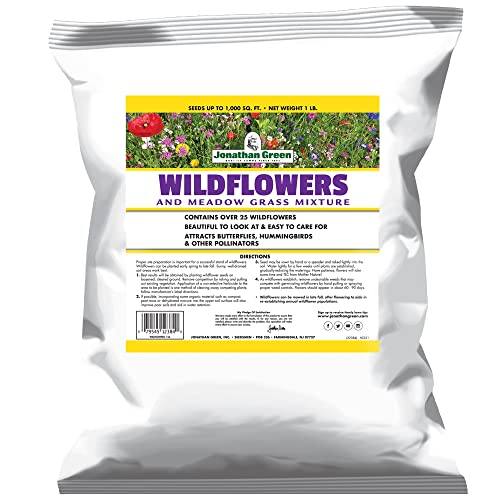
CREATES A BEAUTIFUL LANDSCAPE - Our Wildflower and Meadow Grass Mix contains over 25 annual and perennial wildflowers, hard fescue grass seed, and birdsfoot trefoil. It's perfect for creating a natural landscape with little maintenance.

100% Pure, Non-GMO Seeds - No fillers, favorites only! Includes 19 easy-to-grow species: Siberian Wallflower, Shasta Daisy, Lance Leaf Coreopsis, Sweet William, Foxglove, Purple Coneflower, Blanket Flower, Blue Flax, Perennial Lupine, Mexican Hat, Gloriosa Daisy, Black Eyed Susan, Candytuft, Gayfeather/Blazing Star, Maltese Cross

🌼 “American Meadow Magic” Wildflower Seed Mix: Our signature PlantMe blend features 25 diverse wildflower varieties, specially curated to create a stunning, natural meadow right in your own backyard. Experience the magic of a flourishing, colorful ecosystem.
5. Edible Landscapes
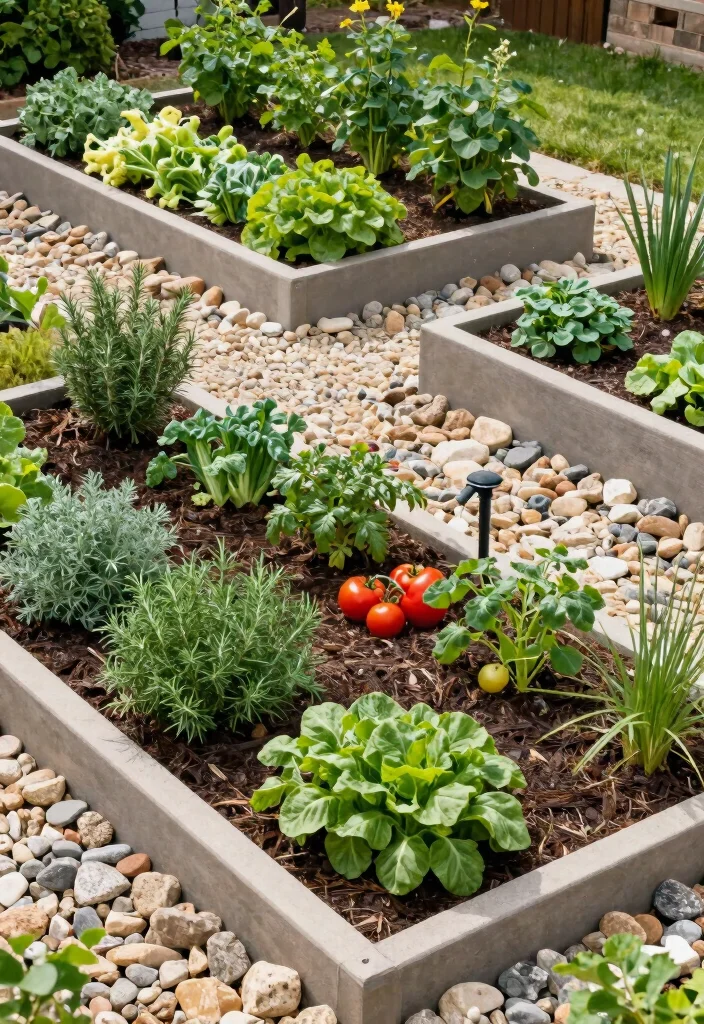
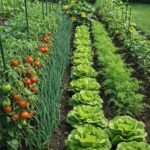
Why not blend beauty with functionality by creating an edible landscape? A mix of fruits, vegetables, and herbs can form an environmentally-friendly garden that requires minimal water while yielding delicious produce. Choose drought-resistant edibles like rosemary, sage, and certain tomato varieties that thrive even in dry conditions.
Creating raised beds can not only improve drainage but also make gardening tasks more accessible and efficient. This practical approach enhances your gardening experience while providing fresh flavors right from your yard.
Consider these growing tips:
– Use mulch to conserve moisture and discourage weeds.
– Plant in clusters to improve pollination and simplify maintenance.
– Incorporate drip irrigation for efficient watering.
Edible landscapes beautify your space while delivering the joy of homegrown produce.

PREMIUM DROUGHT TOLERANT WILDFLOWER MIX: A carefully curated blend of hardy wildflowers selected to thrive in hot, dry, and low-water conditions. Suitable for xeriscaping, water-wise gardens, low-water landscapes, and challenging growing environments across the continental USA

6. Mediterranean Garden
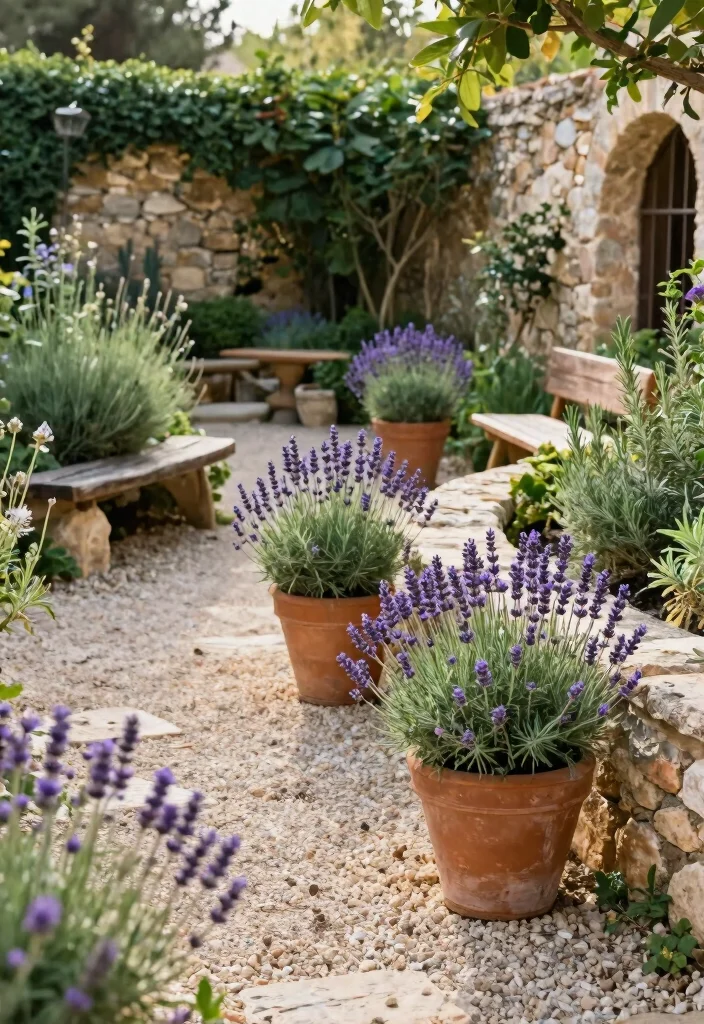
A Mediterranean garden is an excellent choice for those who love a warm, inviting atmosphere and drought resilience. Featuring plants like lavender, olive trees, and rosemary, this style flourishes in dry conditions thanks to its natural adaptability. The incorporation of terracotta pots, gravel pathways, and stone walls further enhances the ambiance of this enchanting garden.
By selecting native Mediterranean plants, you create a beautiful, practical sanctuary that invites relaxation and enjoyment. The combination of varied textures and colors makes this garden a true masterpiece.
Here are some design tips:
– Use a variety of potted plants for mobility and seasonal change.
– Create zones with varying plant heights for visual interest.
– Add cozy seating areas to enjoy the serene surroundings.
This garden style is perfect for urban spaces where beauty and sustainability are paramount.
Fun fact: In low water gardening, a Mediterranean garden can slash water needs by up to 50% compared to a grass lawn. Lavender, olive trees, and rosemary thrive in dry conditions, especially with terracotta pots and gravel paths—it’s drought-ready elegance.

Convenient and portable storage kit contains 102 professional grade universal Drip irrigation parts
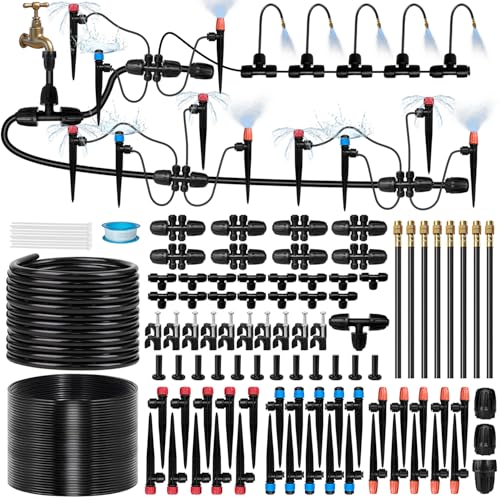
【Upgraded Tube Design & Water Saving】 Our garden watering system is upgraded to 1/2” diameter to support high water pressure. The 1/2” tee connector allows seamless splitting into 2 independent zones for customized watering schedules. By delivering moisture directly to root zones, this drip Irrigation system significantly reduces evaporation and runoff—saving more water compared to conventional sprinklers while eliminating the need for manual watering.
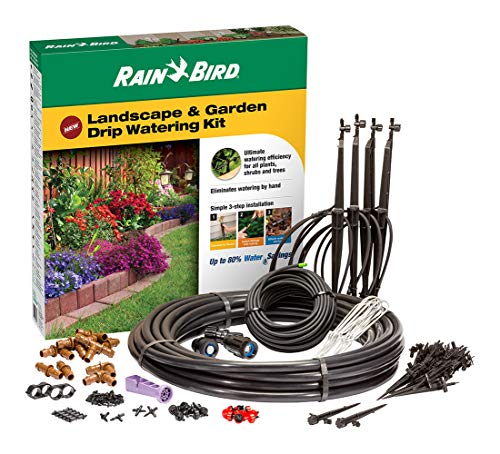
Comprehensive 108-piece kit for flower beds, gardens and landscaped areas; eliminates hand watering, saves time and money
7. Wildflower Meadows
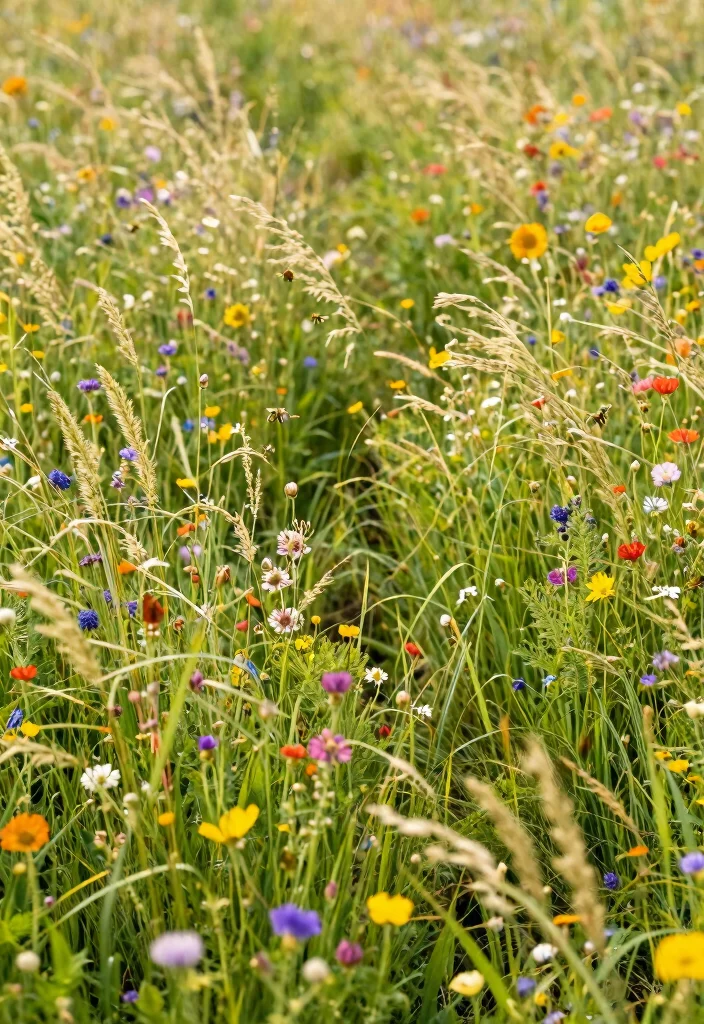
A wildflower meadow introduces a delightful touch of spontaneity and natural beauty, ideal for attracting pollinators. Wildflowers typically need less water and maintenance compared to traditional gardens, making them a practical choice for your landscape. A small patch or a larger area can become a vibrant ecosystem that evolves with the seasons.
Select a mix of hardy native wildflowers to ensure a colorful display throughout the year. This diversity not only enhances visual appeal but also supports local wildlife.
Consider these planting suggestions:
– Sow seeds in late fall or early spring for optimal growth.
– Mix in grasses for height and texture.
– Leave flower stalks through winter to provide habitats for pollinators.
Wildflower meadows beautify your yard while promoting biodiversity and creating a lively environment.

Material: Made of thick high-density PE waterproof fabric, waterproof on both sides for easy cleaning and reusability.

8. Container Gardening
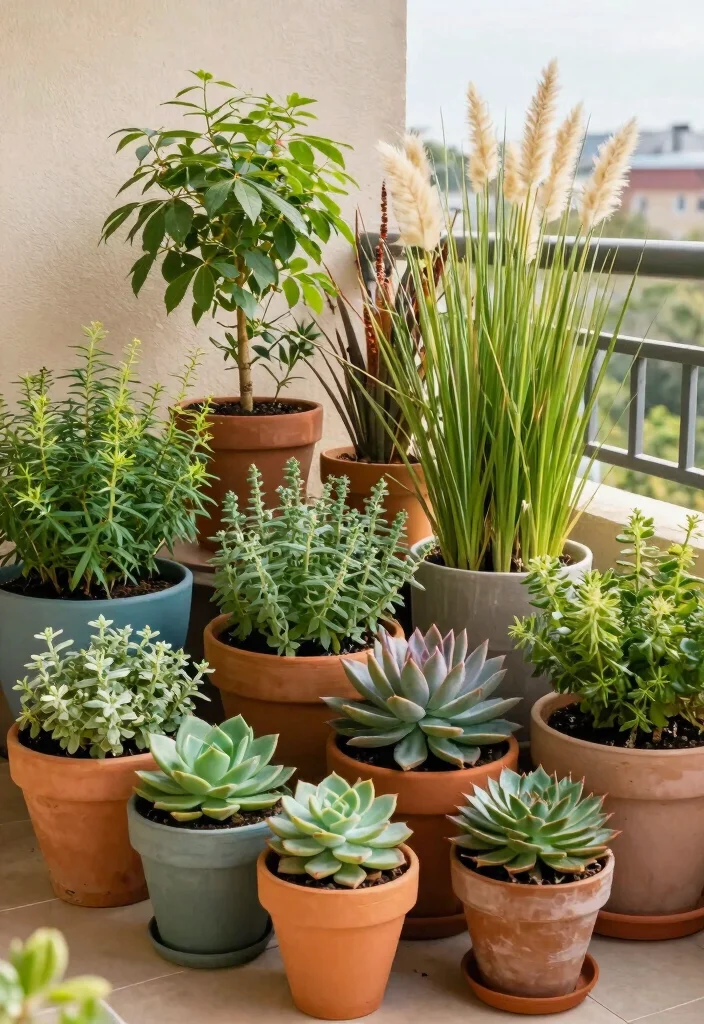
Container gardening offers a flexible solution for urban settings, allowing you to cultivate low-water plants right on your patio. By selecting the right pots, you can create a stunning arrangement that requires minimal water. Many drought-resistant plants, such as succulents, herbs, and ornamental grasses, thrive in containers.
Mixing contrasting colors and heights adds visual interest and charm to your outdoor space. This approach lets you experiment and change your garden layout easily.
Keep these container tips in mind:
– Ensure pots have drainage holes to prevent overwatering.
– Group containers for a cohesive display, considering their water needs.
– Explore self-watering pots for added convenience.
Container gardening allows you to adapt your plant selection and arrangement seasonally, enhancing your outdoor experience.

【Weight & Size】Weight: 20 pounds, Size:3-4 inches. The rock is natural not man made. So the stones are heavy and 20 lbs is not a lot, please refer to the picture for the amount of area to be covered
9. Green Roofs
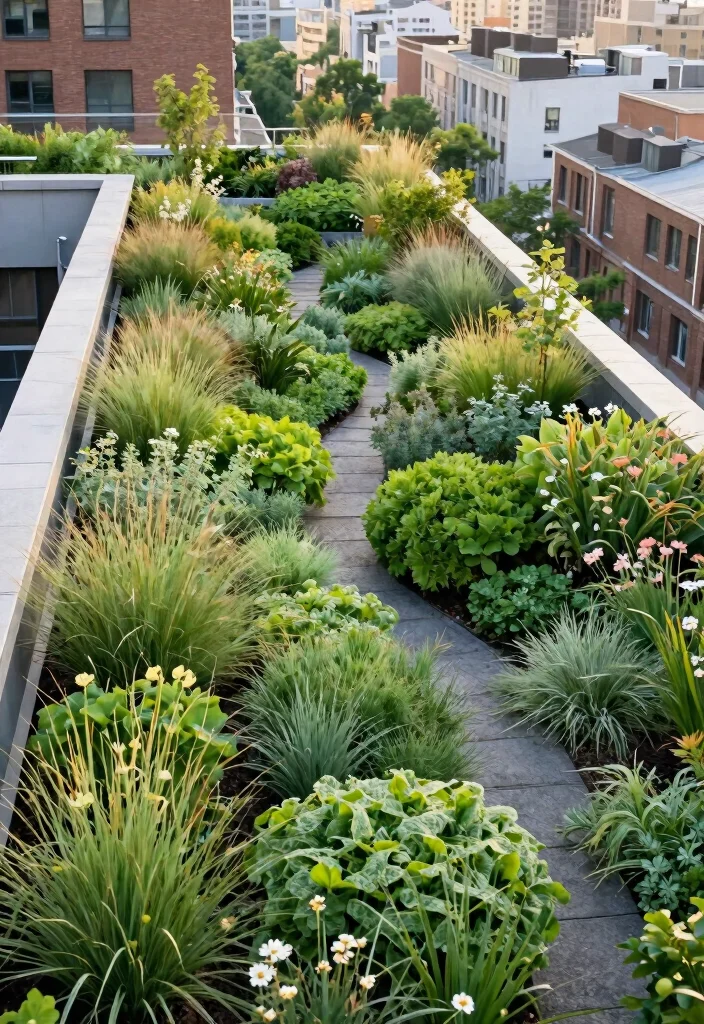
For those living in urban areas, a green roof can be a remarkable way to adapt to drought conditions while boosting aesthetics and insulation. Green roofs utilize drought-tolerant plants that require minimal maintenance, significantly reducing stormwater runoff. Choosing plants like sedums, herbs, or native grasses ensures beauty and temperature regulation in harsh rooftop conditions.
Implementing a green roof involves careful planning to support the plants and structure. This approach not only beautifies your home but also creates a unique space for relaxation away from the city’s hustle and bustle.
Consider these implementation ideas:
– Ensure robust waterproofing and structural support for your green roof.
– Choose lightweight soil substitutes to minimize weight.
– Incorporate pathways for easy access and maintenance.
Green roofs contribute positively to the environment while providing a tranquil escape.
10. Herb Spiral
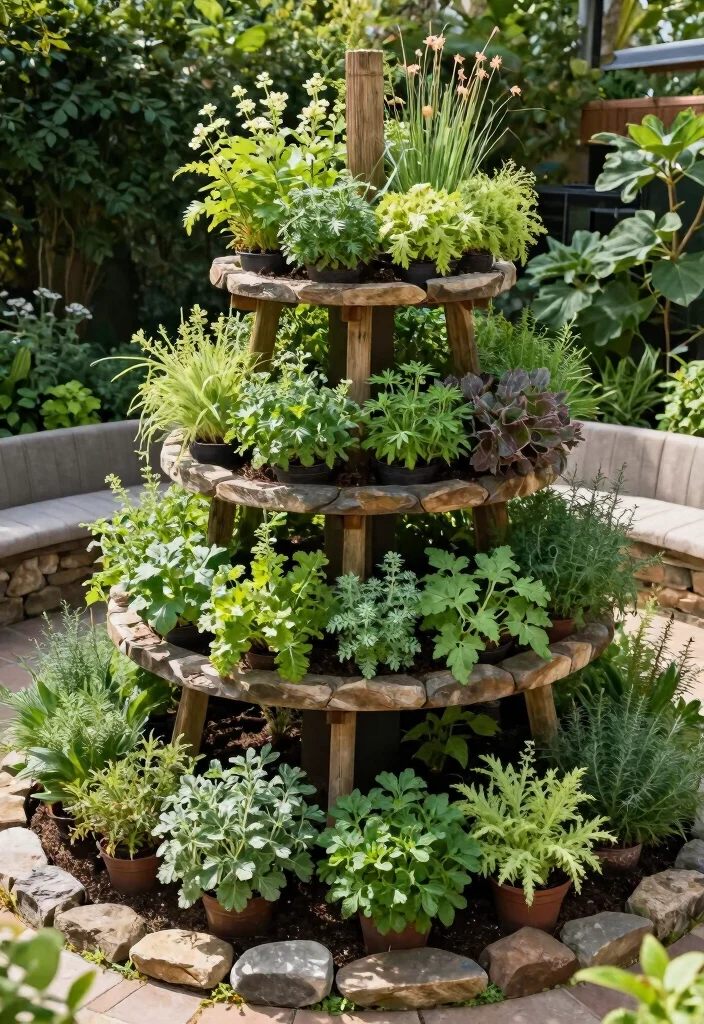
An herb spiral is a creative design that maximizes vertical space while enhancing biodiversity in compact gardens. This structure allows various herbs to flourish with minimal water, making it ideal for urban settings. The spiral design creates distinct microclimates suited for different plant needs, promoting healthy growth.
Incorporate drought-resistant herbs like thyme, oregano, and basil, which thrive in drier conditions. This approach not only saves space but also adds visual interest to your garden.
Here are some building tips:
– Use stones or wood to create the spiral structure.
– Vary the height to maximize sunlight exposure for various plants.
– Apply mulch around herbs to retain moisture and suppress weeds.
Herb spirals provide an efficient use of space and a stunning focal point that enhances your yard’s appeal.
Fun fact: a herb spiral can cut water needs by up to 50% in low water gardening, thanks to built-in microclimates. Thyme, oregano, and basil thrive with less irrigation, while you gain flavor and visual interest in a tiny space.
11. Permeable Paving
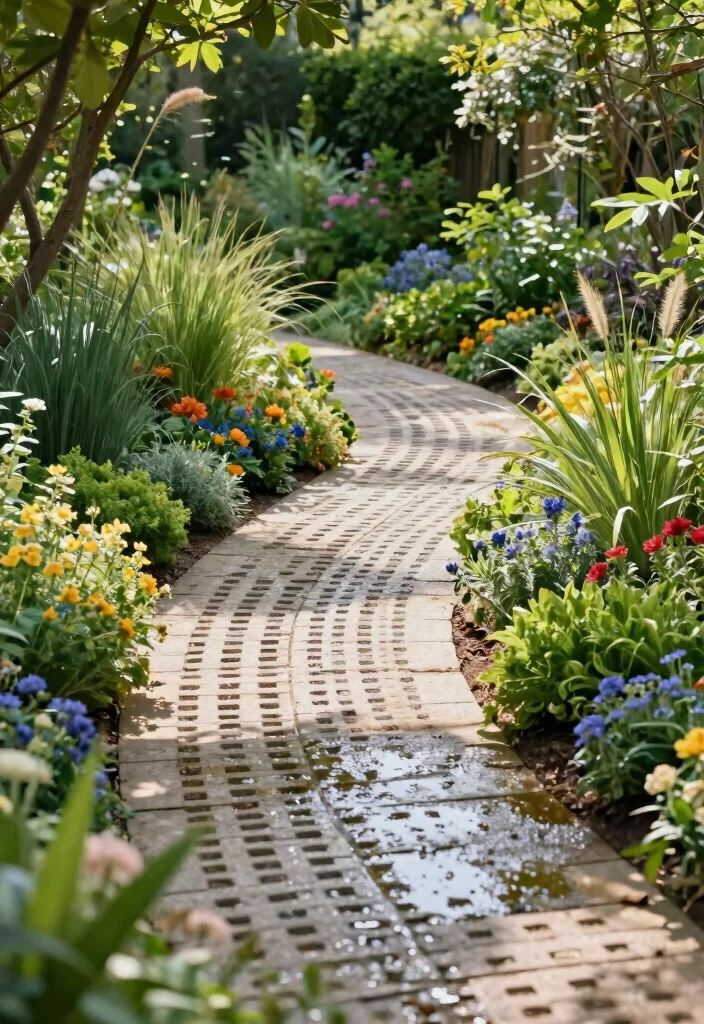
Incorporating permeable paving in your garden design helps manage stormwater while minimizing the need for irrigation. This technique allows rainwater to seep through the surface, replenishing the soil and promoting healthier plants. Choose permeable materials like gravel, porous concrete, or bricks for pathways and patios that are functional and eco-friendly.
Combining permeable paving with drought-resistant plants enhances your garden’s water management while maintaining visual beauty.
Consider these design tips:
– Create winding paths through the garden that lead to focal points.
– Include planting pockets within paved areas for added greenery.
– Use contrasting colors to enhance the overall design.
This approach not only keeps your garden lush but also positively impacts the surrounding environment.
12. Shade Gardens
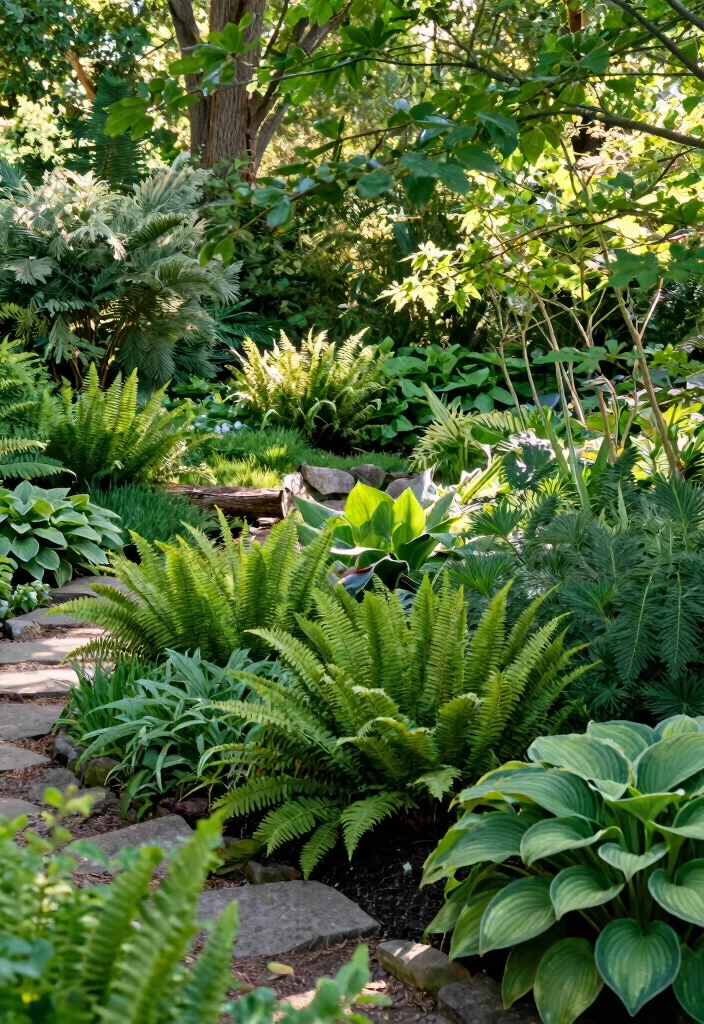
Shade gardens are often underrated but can be just as beautiful and drought-resistant as sunnier spots. Many plants thrive in shaded environments and require minimal watering, making them an excellent choice for creating lush retreats. Ferns, hostas, and certain flowering plants can turn shaded areas into vibrant sanctuaries.
By layering plants, you create depth and interest, maximizing the potential of shaded spaces in your yard.
Consider these design ideas:
– Use rocks or logs for natural borders and plant support.
– Incorporate ground covers to minimize weed growth and retain moisture.
– Choose plant varieties that bloom at different times for year-round beauty.
Shade gardens can transform overlooked areas into enchanting havens of tranquility.
Fun fact: Shade gardens often cut irrigation needs by up to 50%—perfect for low water gardening. Layer ferns, hostas, and flowering shade plants to build depth and a lush retreat with minimal watering.
13. Perennial Borders
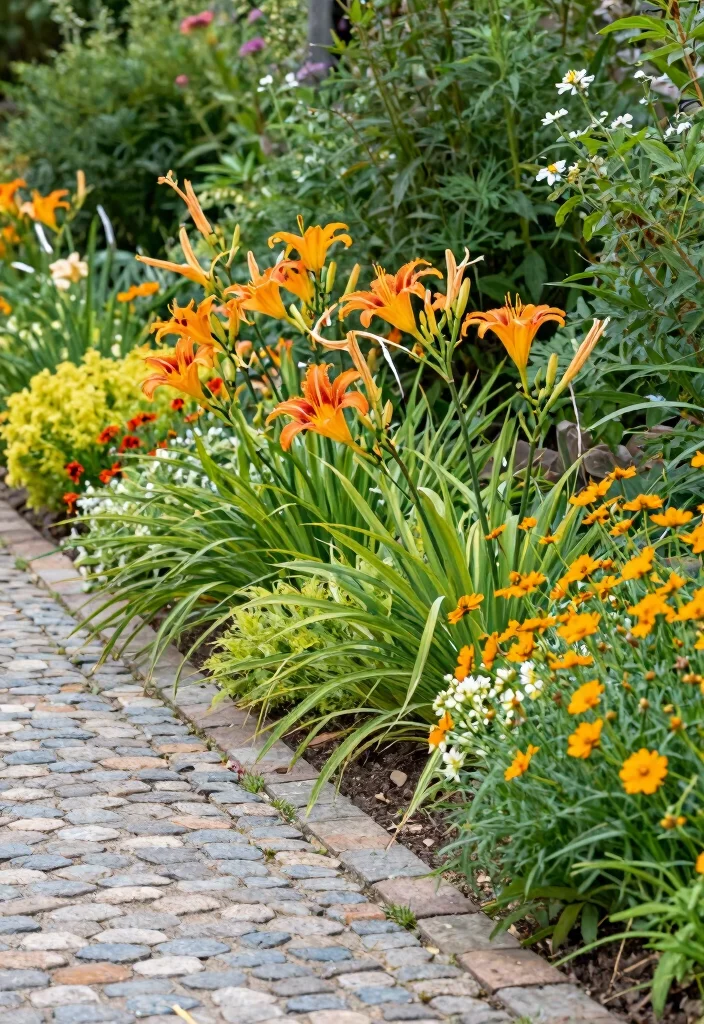
Creating perennial borders filled with drought-resistant plants offers lasting beauty while requiring minimal water once established. These borders can delineate pathways or frame garden beds, adding structure and charm to your landscape. Opt for plants like daylilies, sedums, and coreopsis for a vibrant showcase of color and texture throughout the seasons.
Plan your border with these tips:
– Mix heights and colors for a visually appealing display.
– Use mulch to retain moisture and suppress weeds.
– Incorporate native plants to boost local biodiversity.
A well-planned perennial border enriches your garden while contributing to a sustainable landscape.
14. Minimalist Gardens
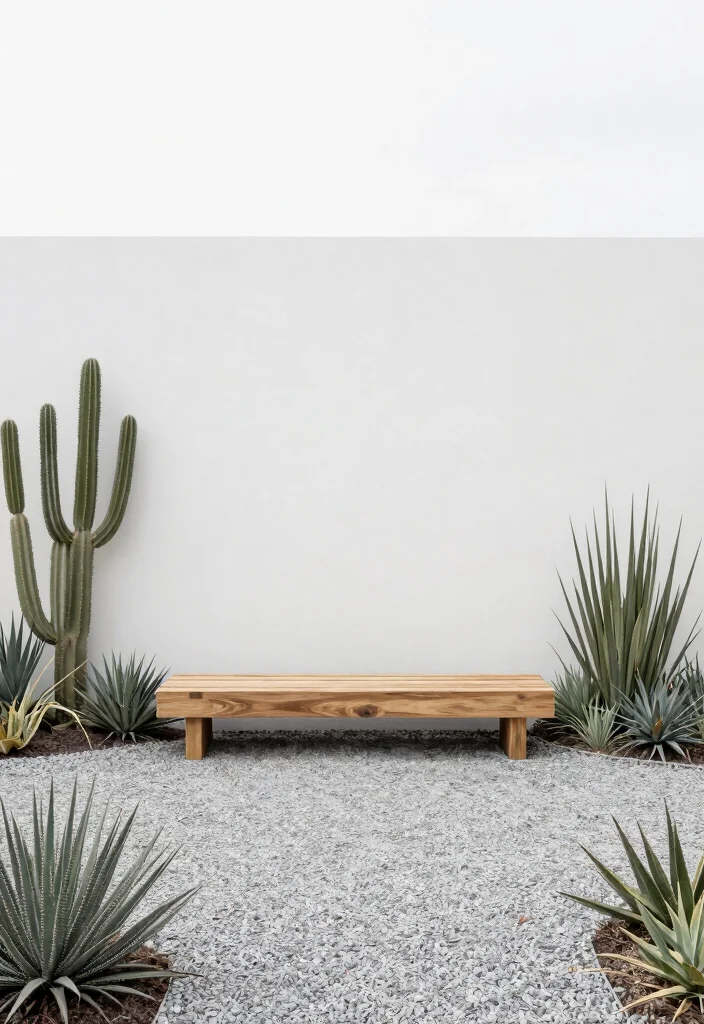
Minimalist gardens emphasize simplicity and functionality while showcasing drought resilience. By selecting fewer plants and clean lines, you can create an elegant space that conserves water. Choose a limited palette of drought-tolerant plants paired with architectural elements like gravel, concrete, or wood for a striking effect.
Consider these design considerations:
– Focus on balance and symmetry for a cohesive aesthetic.
– Use negative space intentionally to enhance the visibility of plants.
– Integrate features like benches for functional beauty.
Minimalist gardens prove that less can indeed be more, offering both style and sustainability.
15. Vertical Gardens
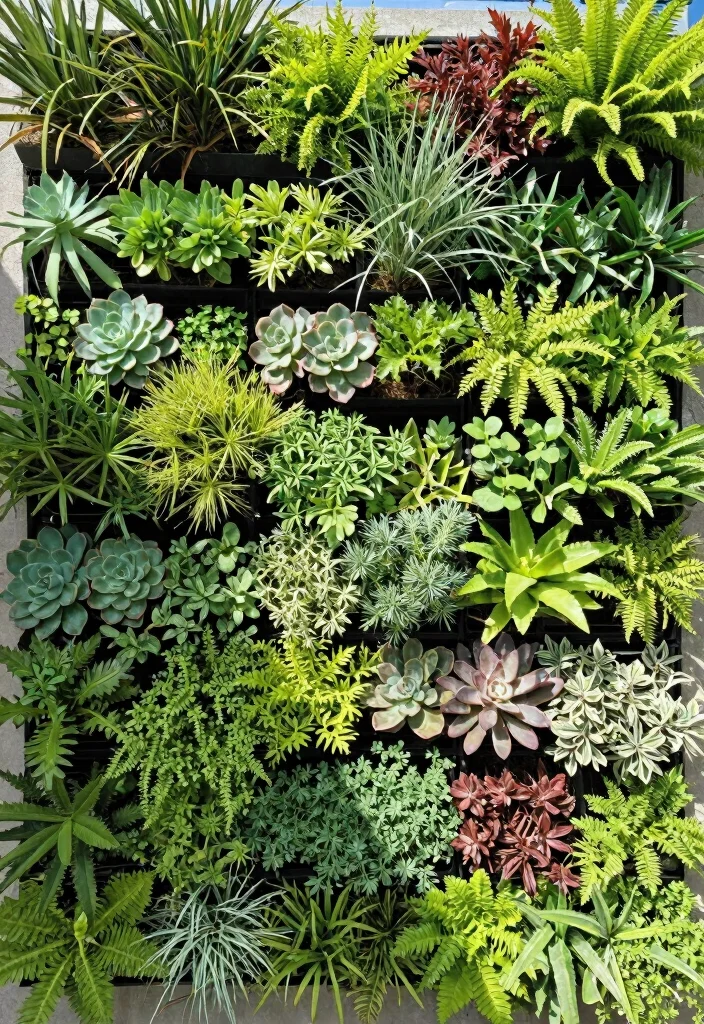
Vertical gardens present an innovative way to maximize small spaces while delivering visual impact and drought resistance. By cultivating plants upward, you save ground space and create a lush wall of greenery that requires less watering. This technique is perfect for urban dwellers seeking creative gardening solutions.
Utilize a mix of succulents, ferns, and herbs that thrive in vertical setups, adding diversity and interest to your space.
Keep these building tips in mind:
– Use wall-mounted planters or repurpose wooden pallets for unique displays.
– Ensure adequate drainage to keep your plants healthy.
– Group plants with similar water needs for efficiency.
Vertical gardens not only beautify your surroundings but also improve air quality, making them a fantastic addition to any urban setting.
Conclusion
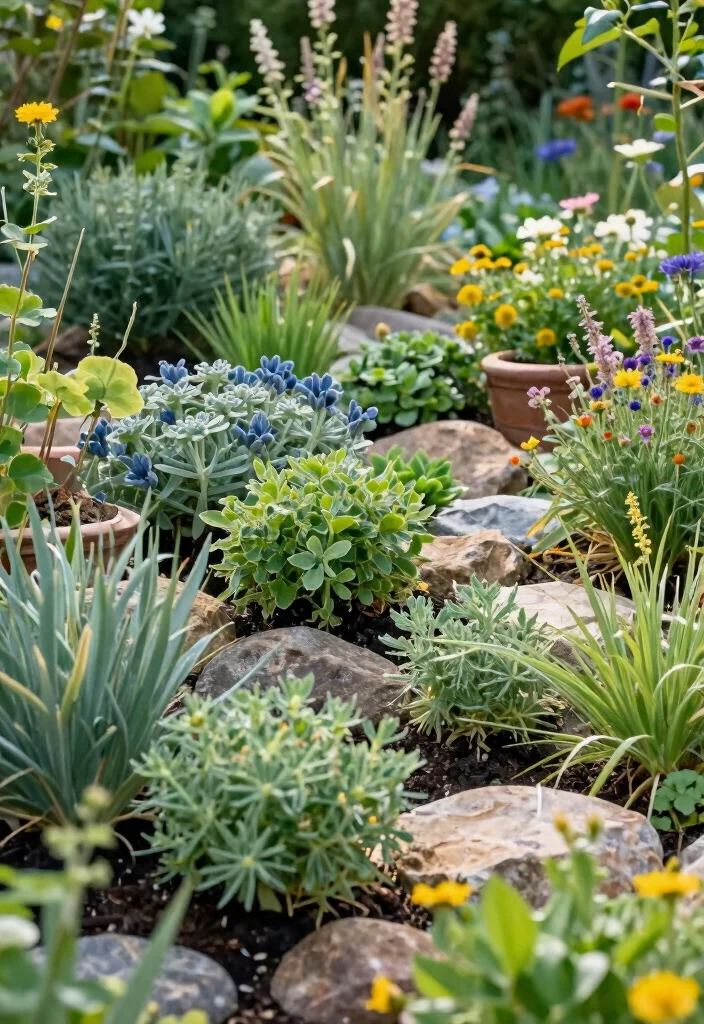
Embracing low water gardening not only helps tackle the challenges of a changing climate but also allows you to create stunning outdoor spaces that are both beautiful and practical. Whether you opt for a native plant garden or a modern succulent landscape, the possibilities are endless. Each idea shared here can enrich your urban environment while promoting sustainability.
Take a leap into these ideas, and enjoy watching your yard flourish, even in dry conditions!
Note: We aim to provide accurate product links, but some may occasionally expire or become unavailable. If this happens, please search directly on Amazon for the product or a suitable alternative.
This post contains Amazon affiliate links, meaning we may earn a small commission if you purchase through our links, at no extra cost to you.
Frequently Asked Questions
What are some practical low water gardening ideas for a drought-friendly yard?
Start with a simple plan: map sun exposure, group plants by water needs, and pick strong low water gardening picks like drought-resistant plants and drought-tolerant groundcovers for small spaces. Mulch deeply (2-3 inches) to lock in moisture and cut evaporation. Install a drip irrigation or soaker hose system to water at the roots and minimize waste. Collect rain with a barrel and connect it to your irrigation for water-efficient gardening. Finally, optimize a compact space with containers or raised beds and rotate in seasonal plant choices to keep things looking fresh.
Which drought-resistant plants work best in small containers or urban spaces?
Container-friendly picks include Sedum and Sempervivum for sunny spots, lavender and rosemary for fragrance and color, thyme and oregano for edible herbs, plus Gaillardia and Portulaca for bright blooms. Native options vary by region, so check local lists for suitable native plant gardens. Ensure pots have drainage and use a well-draining potting mix to keep roots happy and water use efficient.
How can xeriscaping techniques improve water efficiency in a small yard?
Xeriscaping techniques mean designing the yard around water needs. Start by grouping plants by water use and replacing turf with mulch and drought-tolerant species. Use xeriscaping techniques like drip irrigation or soaker hoses with a timer to water at the roots, and add organic mulch to retain moisture. Improve soil with compost to boost water retention, and analyze microclimates to place sun lovers apart from shade lovers for better water efficiency.
How do native plant gardens support sustainable landscaping in urban spaces?
Native plant gardens thrive in local soils and climate, require less water, and support pollinators and wildlife. They reduce maintenance and soil disturbance while fitting into compact urban spaces. Design tips include selecting regionally appropriate natives, combining textures and bloom times, mulching to conserve moisture, and gradually replacing high water demand lawn areas with native plant gardens and other drought-friendly options as part of a broader sustainable landscaping approach.
What are the first steps to start a water-efficient gardening project today?
Begin with a quick assessment of your space and climate, then set a realistic water-efficient gardening budget. Start small with 2–3 drought-tolerant plants and a simple drip irrigation plan. Install a rain barrel or other water source to feed your irrigation, and lay down a thick layer of mulch to protect soil. Choose native or drought-resistant plants suited to your conditions, and monitor soil moisture to adjust irrigation as needed for ongoing water-efficient gardening success.
Related Topics
low water gardening
drought-resistant plants
xeriscaping techniques
sustainable landscaping
water-efficient gardening
native plant gardens
urban gardening
eco-friendly design
small space solutions
beginner friendly
drought-tolerant landscaping
seasonal gardening