Gardening is a journey filled with joy, creativity, and a touch of magic. If you’ve ever found yourself yearning for fresh vegetables right from your own backyard, you’re not alone! The beauty of gardening lies in its ability to connect you with nature while providing delicious rewards. This post was born out of a desire to help you make the most of your gardening efforts, especially if space is tight. With urban living on the rise, many of us are looking for ways to grow our food efficiently, without sacrificing style or yield.
If you’re someone who loves the idea of cultivating your own vegetable garden but feels limited by space, this guide is just for you. Whether you live in a cozy apartment, a small home, or simply want to maximize your backyard, I’ve got 17 square foot gardening layout raised beds that will inspire your gardening journey. These layouts are not only practical but also visually appealing, ensuring that your small space remains a sanctuary of greenery and growth.
In this post, you’ll discover various layouts designed to optimize your gardening experience. From classic designs to creative structures like vertical gardens and tiered beds, these ideas make it easy for you to cultivate a bountiful harvest. Expect to find tips on companion planting, efficient watering methods, and even seasonal rotation plans that will keep your garden thriving all year round. Get ready to dig in and transform your small space into a flourishing garden!
[link-whisper-related-posts]Key Takeaways
– Discover 17 unique square foot gardening layouts tailored for small spaces that maximize your yield while keeping your garden stylish.
– Explore the Classic 4×4 Layout, which is perfect for beginners looking for simplicity and efficiency in their vegetable garden.
– Learn about Vertical Gardening Structures, a fantastic option for maximizing space and growing upwards to make use of limited ground area.
– Uncover the benefits of Companion Planting Layouts, which help you grow more produce by pairing plants that benefit each other, enhancing growth and pest control.
– Gain insight into practical methods like Drip Irrigation Systems, ensuring your plants receive water effectively without wasting resources, perfect for urban gardening.
1. Classic 4×4 Layout
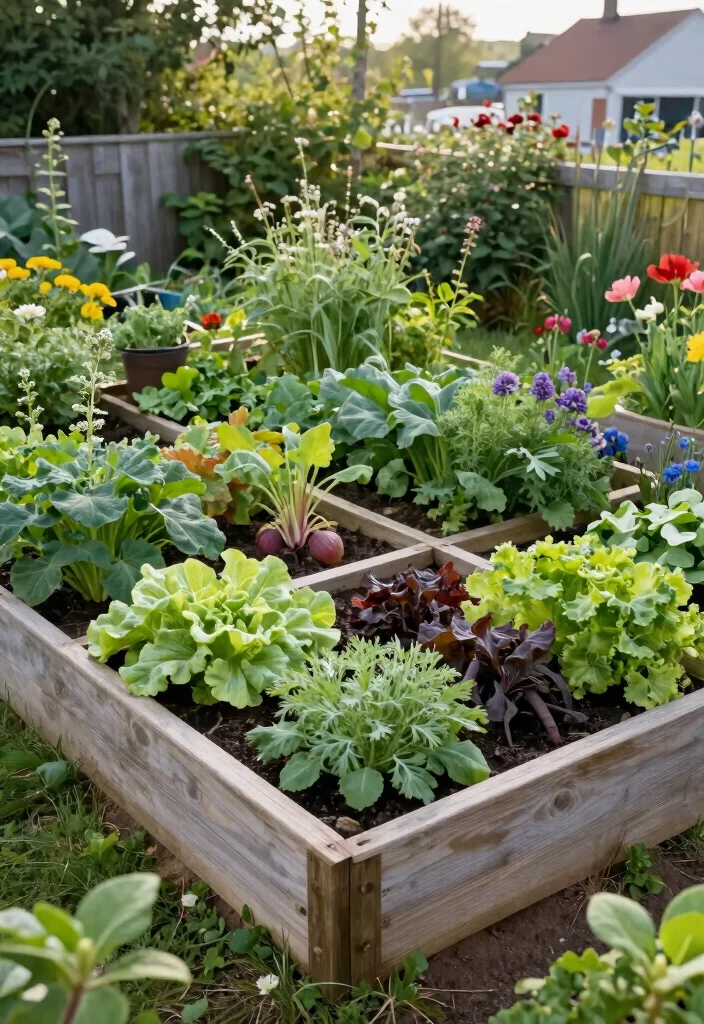
Are you looking for a simple yet effective way to maximize your gardening space? The classic 4×4 layout offers a perfect blend of organization and productivity, providing you with 16 square feet of planting potential. It’s the ideal solution for anyone wanting to grow an array of vegetables without the hassle of a sprawling garden.
Each square foot hosts a different plant, which means you can enjoy a variety of fresh produce right from your backyard. Whether it’s a single tomato plant, four heads of lettuce, or nine radishes, this layout allows for diverse harvests throughout the season. Plus, the raised bed design makes gardening more accessible, reducing strain on your back while you tend to your plants.
Pairing plants for optimal growth can enhance your garden even more. For example, planting basil alongside tomatoes can improve flavor and deter pests. The classic 4×4 layout is not just functional; it also adds a charming touch to your garden aesthetic.
Fun fact: The classic 4×4 is a square foot gardening layout raised beds setup, giving you 16 square feet of gardening space—enough to host 16 different plants. It’s a compact, organized setup that yields a surprising variety right in your backyard.

SPACIOUS GROWING SPACE WITH EXTRA PLANTING DEPTH:Measuring 91.5" L × 47.3" W × 22.06" H, this galvanized raised garden bed holds approximately 412 gallons of soil, providing generous planting space and extra depth for vegetables, herbs, flowers and fruits. The spacious design allows roots to grow naturally while supporting tomatoes, peppers, cucumbers, broccoli, beans, lettuce, carrots, potatoes and other popular garden plants. Ideal for backyard gardening, raised vegetable gardens and outdoor planter box projects.

2. Vertical Gardening Structure
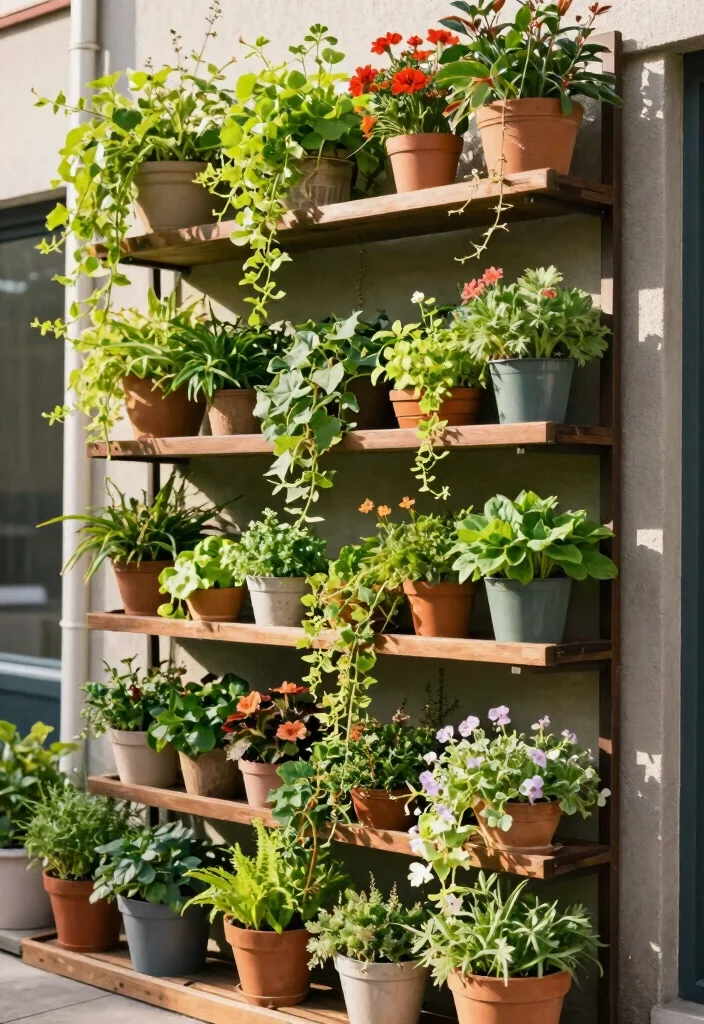
Do you wish you had more space to grow your favorite plants? A vertical gardening structure could be your answer! This innovative layout utilizes upward space, allowing you to cultivate more vegetables and herbs in a confined area.
By incorporating shelves and trellises, you can support climbing plants like peas and cucumbers while herbs and flowers thrive in wall-mounted planters. Vertical gardening not only conserves space but also creates a striking visual appeal that can transform your garden into a vibrant display of greens and blooms.
To set up your vertical garden, choose sturdy materials for your trellis and planters. A blend of wood and metal offers a trendy, industrial look. Mix and match pots of different sizes for added depth, and consider hanging strawberries for a cascading effect that’s both beautiful and delicious.
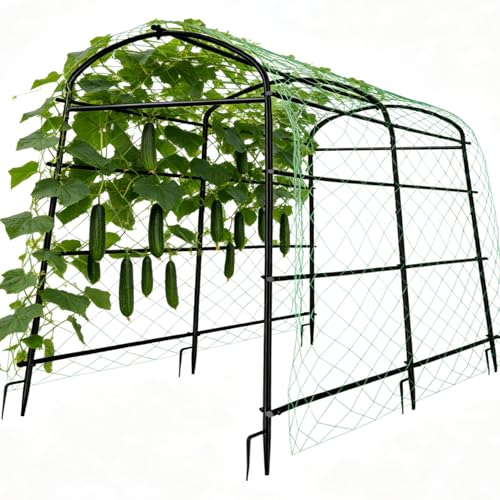
A plant climbing trellis is essential for maximizing yield and optimizing space, especially for vines plants like cucumbers, beans and morning glory. Our trellis provides the crucial vertical support needed for healthy growth and abundant harvests.


3. Corner Garden Bed
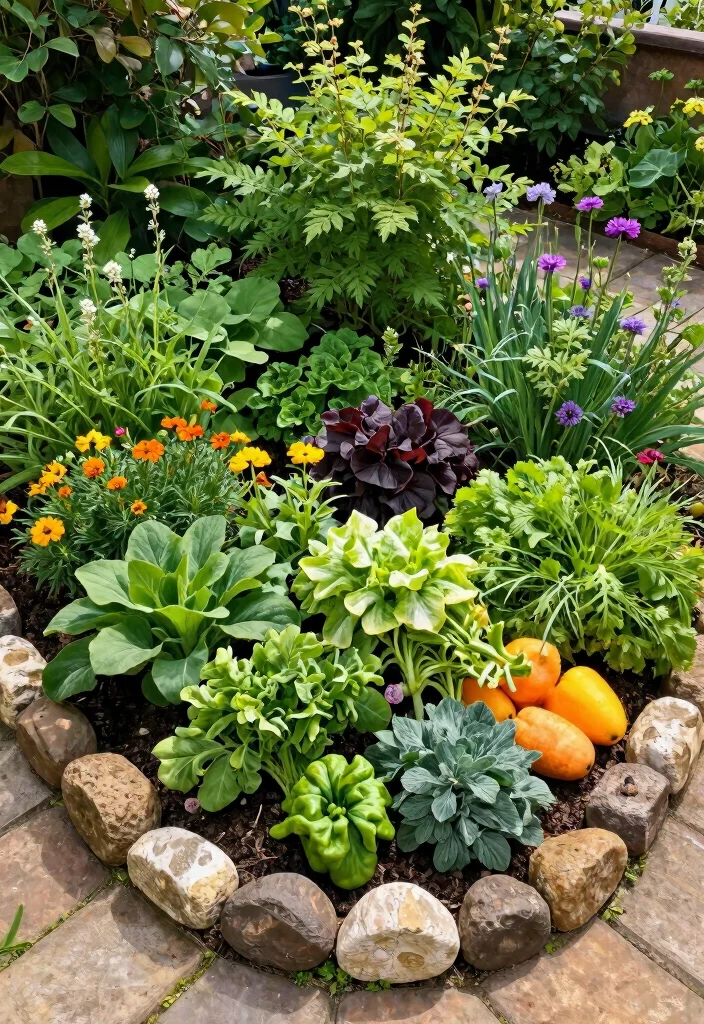
Are you overlooking the potential of your garden corners? A corner garden bed can maximize those often-neglected spaces, offering a unique gardening opportunity! This design, typically shaped like a triangle or L, can be surprisingly spacious and efficient.
By filling the sides with taller plants like sunflowers or tomatoes, and planting shorter varieties like lettuce or carrots in the center, you can create a stunning visual while expanding your planting area. This layout not only enhances your garden’s productivity but also provides an attractive sight for guests.
To elevate the design, consider adding decorative stones or mulch. Opt for vibrant plants to contrast beautifully with the greens. This corner bed can become a focal point, making your small garden feel larger and more inviting.
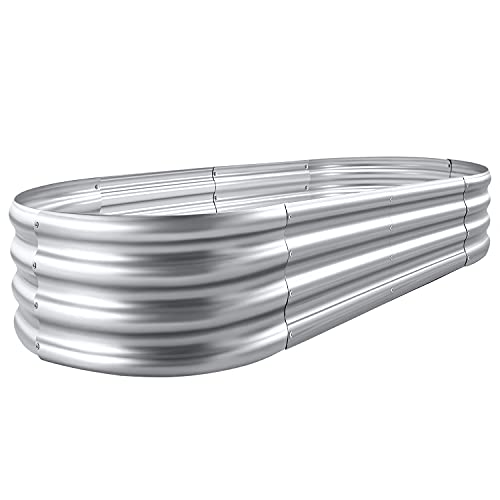
Each raised metal garden bed size: 4×2×1ft ,7.14Cu

ULTIMATE PRACTICALITY: The planter box measures 96"(L) x 24"(W) x 12"(H), has a huge capacity, any plants and flowers you want to grow can be planted, happiness is overflowing.

High-Quality PE Material with Drainage Hole: Crafted from durable and flexible PE material, these grow bags are built to withstand outdoor conditions without cracking. The bottom drainage hole provides essential airflow to roots and prevent overwatering and root rot, ensuring your plants thrive in a well-aerated environment.
How To Choose The Right Square Foot Gardening Layout Raised Beds
When it comes to square foot gardening layout raised beds, selecting the right setup is crucial for maximizing your yields, especially in small spaces. Here’s a guide to help you make the best choice for your gardening needs.
1. Size Matters
The size of your raised bed is one of the first things to consider. Most square foot gardens use 4×4 or 4×8 foot beds, which allow for easy access from all sides. If you’re short on space, you might consider smaller beds or even vertical options. Remember, the larger the bed, the more plants you can grow, but it also requires more maintenance. Aim for a height of 12-18 inches to provide adequate root space for most vegetables.
2. Material Selection
Choosing the right material for your raised beds is vital for durability and plant health. Common options include wood, metal, and recycled materials. Untreated cedar or redwood is popular for its natural resistance to rot. If you opt for metal, make sure it’s food-safe to prevent leaching harmful chemicals into the soil. Wooden beds are often more affordable and blend well with garden aesthetics.
3. Layout Efficiency
The layout of your garden bed can significantly impact plant growth. Square foot gardening promotes planting in a grid pattern, maximizing space. Each square can hold a different type of crop based on its size, allowing for diversity. For instance, you can plant 16 radishes in one square or a single tomato plant. This method not only optimizes your yield but also makes crop rotation easier.
4. Accessibility
Ensure your garden layout allows easy access for planting, weeding, and harvesting. If your raised beds are too wide, you might struggle to reach the center. A good rule of thumb is to keep beds no wider than 4 feet, allowing you to access all sides comfortably. Consider leaving a pathway of at least 2 feet between beds to facilitate movement, especially if you use tools or a wheelchair.
5. Sunlight and Drainage
Positioning your raised beds in an area that receives ample sunlight is key to successful gardening. Most vegetables require at least 6 hours of direct sunlight daily. Additionally, ensure your beds are elevated enough for proper drainage. If you notice water pooling after rain, consider adding drainage holes to the bottom or adjusting the soil mix to improve water flow.
6. Seasonal Planting Plans
Plan your garden layout based on seasonal crops. Implementing a seasonal rotation helps maintain soil health and maximize yield. For example, you can plant cool-season crops like lettuce in spring, followed by warm-season crops like tomatoes in summer. This technique keeps your garden productive throughout the year.
Pro Tip: Always start with a small layout, assess what works best for your space, and adjust as necessary. Experimenting with a few different layouts will help you find the most efficient setup for your gardening style.
By carefully considering size, materials, layout, accessibility, sunlight, and seasonal planning, you can create a square foot gardening layout that not only looks great but also yields bountiful harvests. Happy gardening!
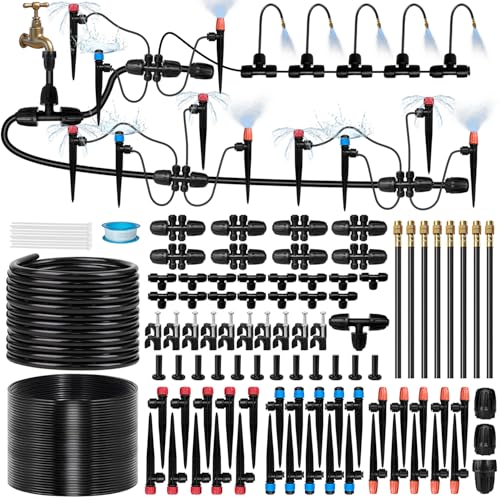
【Upgraded Tube Design & Water Saving】 Our garden watering system is upgraded to 1/2” diameter to support high water pressure. The 1/2” tee connector allows seamless splitting into 2 independent zones for customized watering schedules. By delivering moisture directly to root zones, this drip Irrigation system significantly reduces evaporation and runoff—saving more water compared to conventional sprinklers while eliminating the need for manual watering.

COMPLETE IRRIGATION KIT: Comprehensive 100ft drip irrigation system includes 30 meters of 5/16 inch PE hose, 1 Y-splitter, 30 brass nozzles with 20cm extensions, 30 T-joints in various configurations, 6 elbow connectors, 4 end plugs, and 60 cable ties for secure installation

NO MORE HARD INSTALLATION - SET UP IN MINUTES. Tired of struggling with stiff barbed fittings? This drip irrigation system features quick-connect fittings that let you push, lock, and secure tubing effortlessly. No tools, no leaks, just a smooth setup experience. Enjoy a frustration-free installation and get your garden watering system running in minutes.
4. Tiered Raised Beds
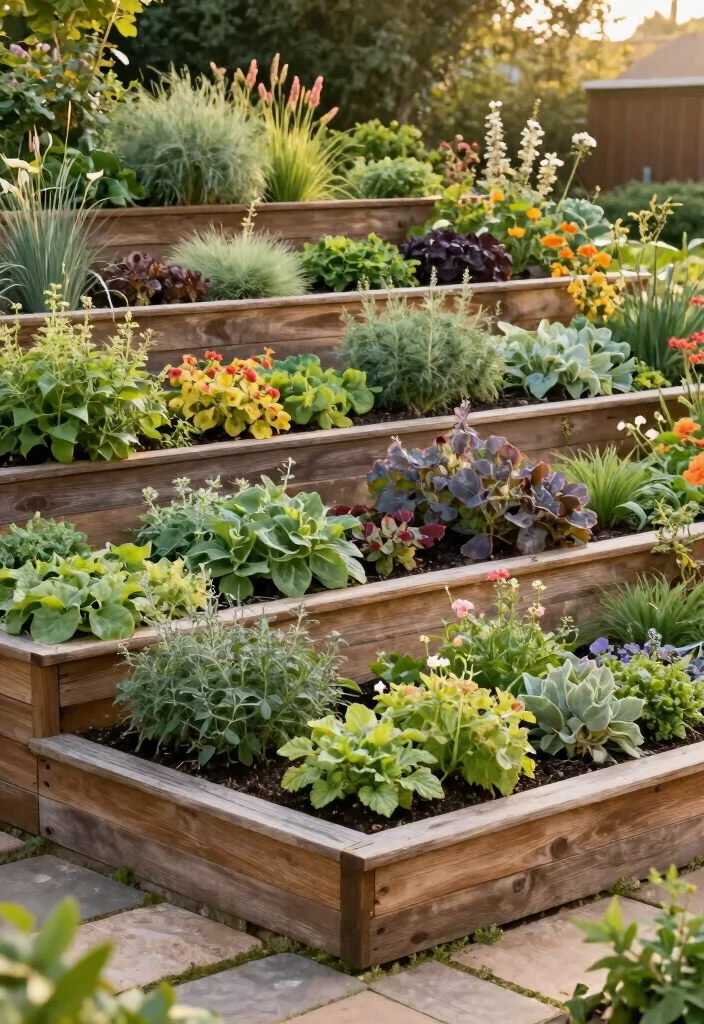
Looking to add dimension to your garden? Tiered raised beds are a beautiful way to create a stunning visual while optimizing your planting space! This layout features multiple levels, allowing you to grow a variety of plants in a compact area.
Each tier can host different plants, providing flexibility for herbs, leafy greens, and root vegetables. The top tier can be perfect for aromatic herbs, while the lower levels can accommodate hearty veggies. This design promotes efficient drainage and soil management, ensuring your plants thrive.
When constructing tiered beds, consider using durable materials like rot-resistant wood or stone. Make sure to include pathways between the tiers for easy access, making this layout ideal for small gardens while offering a landscaped feel.

【SIZE】: Vertical garden planter size: 33.1*18*28.7 inches.

【3 Tier Raised Garden Bed】The vertical garden planter adopts 3 tier design, so there is enough space to plant and divide vegetables, herbs, flowers, etc. Save a lot of space for you and keep your garden well organized.

Stair-Step Frame: The overall size of the frame is 46" x 46" x 24"; The stair-step design maximizes use of vertical space, allowing each layer to hold enough soil; Each tier features bottom drainage holes to prevent waterlogging; Ample planting space to arrange your greens according to mature plant size, ideal for vegetables, flowers and herbs
5. Container Square Foot Gardening
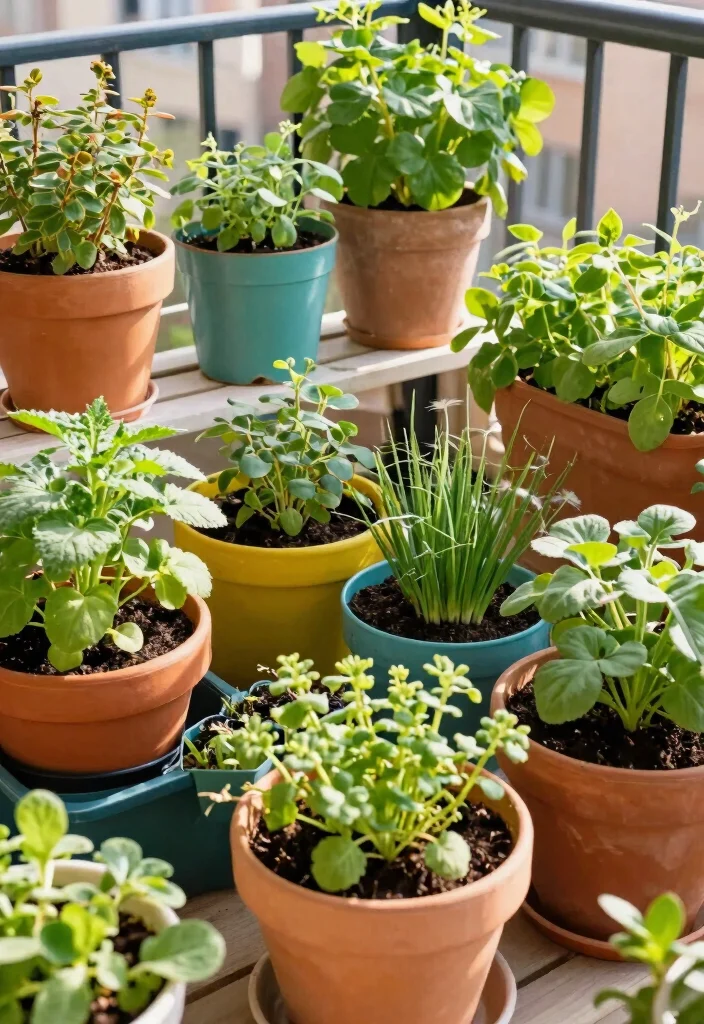
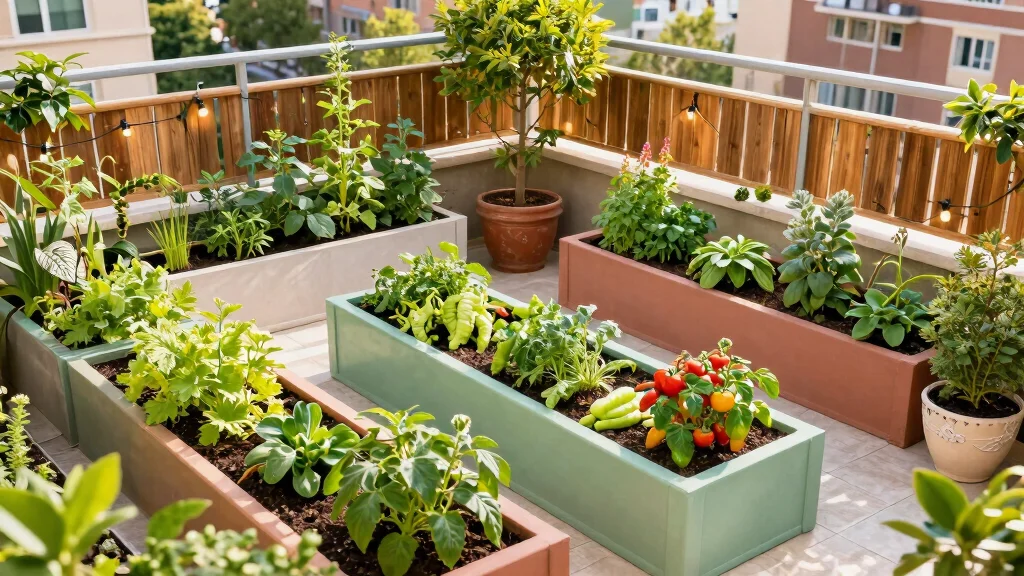
Is your outdoor space limited? Container square foot gardening might be the perfect fit for you! This layout lets you grow your favorite plants in pots, maximizing every inch of your patio or balcony.
By following square foot gardening principles, you can arrange containers in a grid format, planting various herbs and small vegetables in each pot. Brightly colored pots can enhance your space’s aesthetic, bringing life and vibrancy to your garden area.
Keep in mind that container plants often need more frequent watering due to their smaller soil volume. Consider using self-watering pots or establishing a consistent watering schedule to keep your plants healthy. This flexible layout allows you to easily rearrange pots for optimal sunlight or seasonal changes.
Fun fact: Container square foot gardening can fit a surprising variety in just a few pots—16 herb varieties in a 4×4 grid. The square foot gardening layout raised beds approach helps your balcony yield punch above its size.

Spacious and Practical Growing Area: With 16 square feet of planting space and a depth of 11 inches, this raised bed offers ample room for growing vegetables, herbs, and flowers. The 1-foot depth supports deep-rooted plants and promotes healthy soil conditions

Garden Hoops for Raised Beds: Note: There is NO netting included. You are no strangers to voracious critters, disease-ridden bugs and winter harsh weather conditions. FuBegi garden tunnel hoops helped to provide the protection your veggies needed, improving the quality of your harvests big time! You will have a lot fewer problems with insects eating your crop as well as the sun scorching the tender leaves.
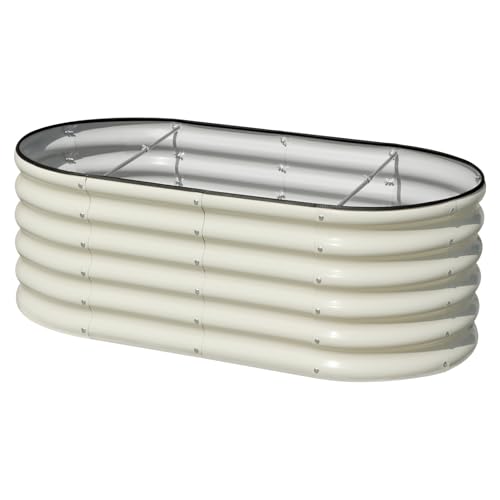
Size: The garden bed measure is 46"L x 23.6"W x 17"H. The planter box provides ample space for planting vegetables, fruits, flowers and other plants.
6. Companion Planting Layout
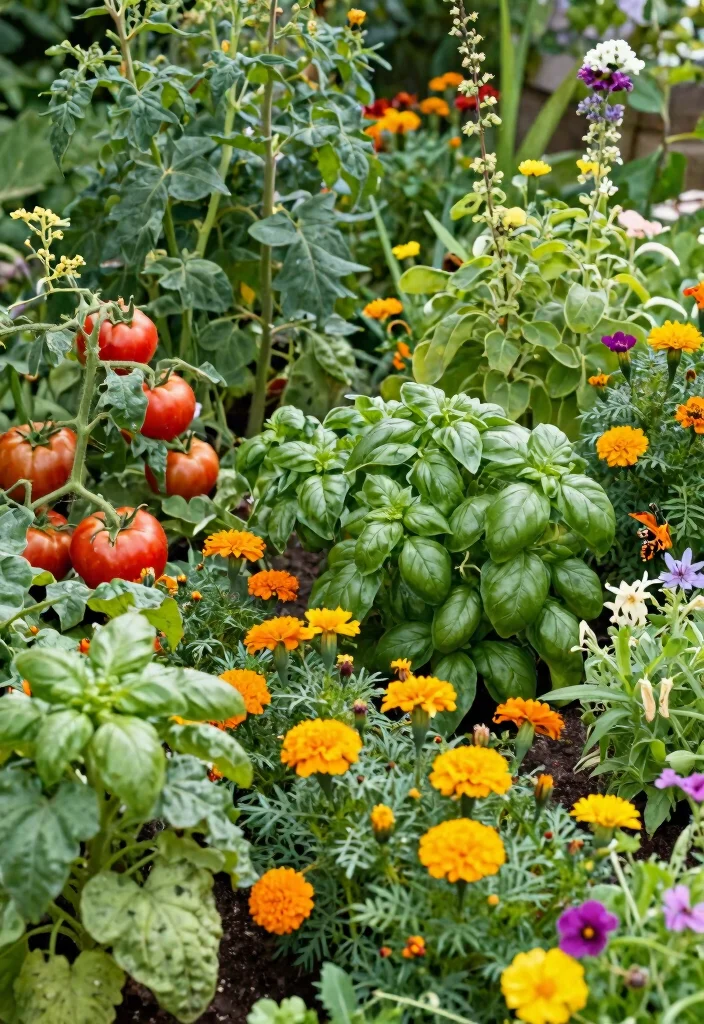
Want to make the most of your garden’s biodiversity? A companion planting layout can help you achieve just that! This technique maximizes space while promoting healthy plant relationships, enhancing growth and pest resistance.
Certain plants thrive better together, like marigolds with tomatoes, which can deter pests and boost plant health. This organic approach makes it ideal for small spaces where you want to avoid chemicals, fostering a natural ecosystem.
To implement this layout, research beneficial plant pairings and organize your beds accordingly. Including flowers that attract beneficial insects will further enrich your garden. Your vibrant, productive garden will not only look beautiful but also contribute to a healthier environment.
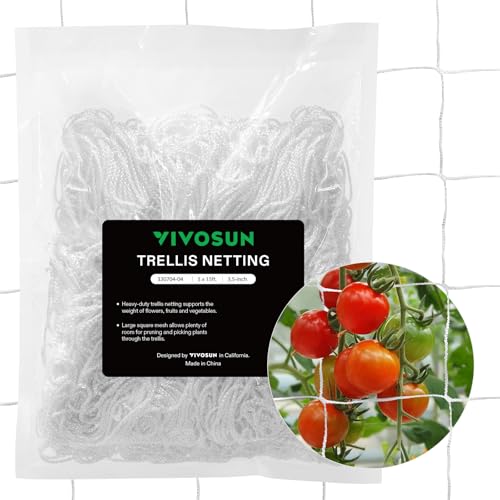
Reusable and Versatile: Made of pliable, braided, and heavy-duty polyester, this netting can be used for vertical gardening, horizontal gardening, and A-Frame trellises; It's long-lasting, reusable, and will support your plants’ growth; You can easily fold it up and store it away after you’re done using it


7. Raised Bed with Pathways
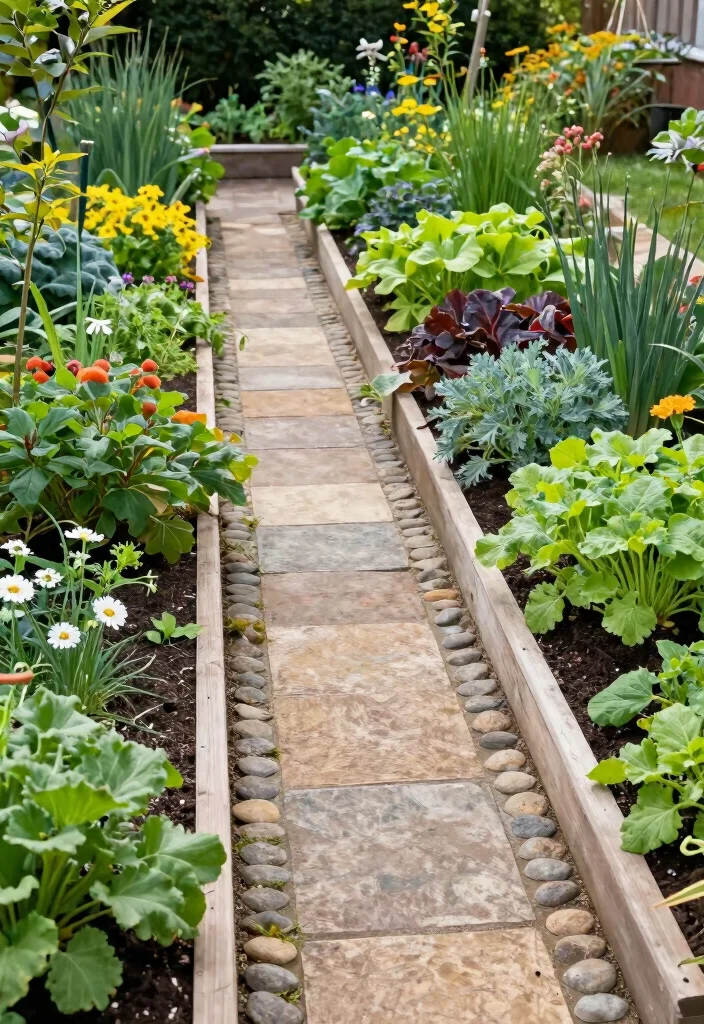
Want an organized and accessible gardening experience? Integrating pathways into your raised bed design is the way to go! This layout features raised beds surrounded by clear pathways, allowing you to tend to your plants without stepping on the soil.
This efficient arrangement simplifies tasks like weeding and harvesting while adding charm to your garden. You can choose various materials for pathways, such as gravel, stepping stones, or wood chips, enhancing both functionality and aesthetics.
Ensure the pathways are wide enough for easy movement, especially when caring for larger plants. This design promotes good drainage and keeps your garden looking neat and tidy, making it a delight to maintain.


8. Grid Pattern Layout
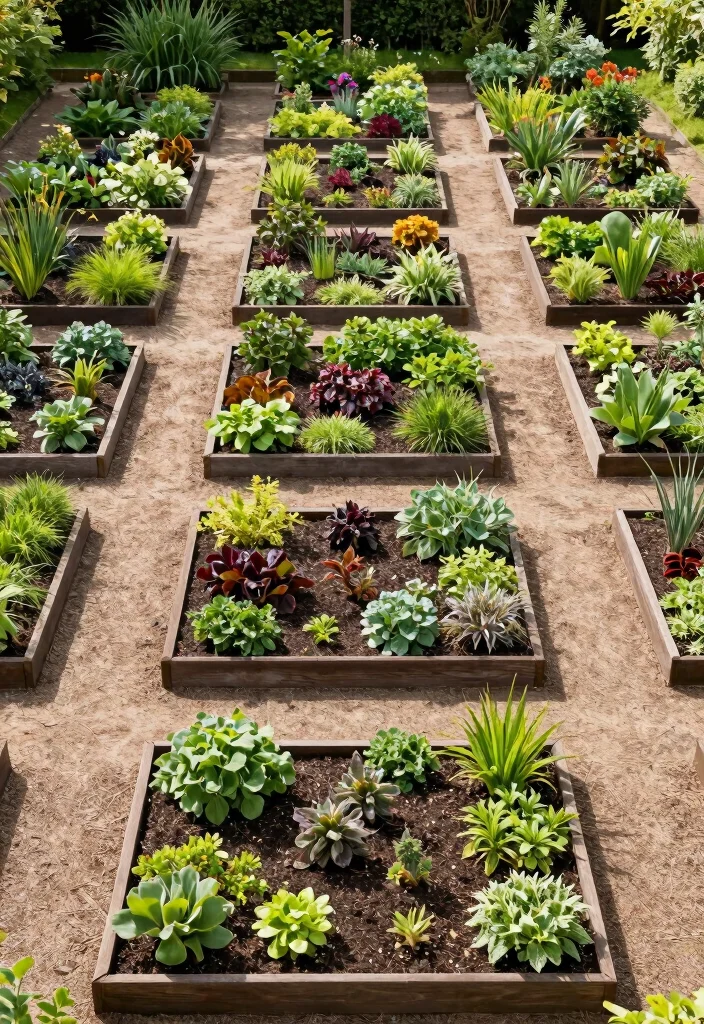
Want a modern touch in your garden? A grid pattern layout can make your raised beds visually striking! This precise, symmetrical design organizes your plants, creating a tidy and efficient gardening space.
Each grid square can feature a different plant, making it easy to rotate crops for soil health. This method allows you to experiment with unique combinations and improve your garden’s overall productivity.
To create a clear grid layout, consider using bamboo stakes or string. This approach not only provides a neat appearance but also simplifies harvesting, as you’ll know exactly where each plant is located, making garden maintenance much easier.

【2026 Upgraded Complete Drip Irrigation System】This 2026 upgraded drip irrigation system includes 50FT of 1/2" main tubing and 150FT of 1/4" distribution tubing for consistent water flow and flexible layouts. Featuring 3 spray nozzle types, 360° adjustable heads, and bendable drip rods, it delivers precise watering in a complete, ready-to-use kit.

Be a Gardening Master with the help of our superior and complete Drip Irrigation Kit: 50ft flexible & durable PVC 5/16" Irrigation Tubing + 50ft 1/4" Drip Distribution Tubing + 2 x Female Thread Water Connectors for 5/16" Mainline + 20 Barbed Drip Emitters Stream + 10 Barbed Drip Emitters Vortex + 4 x 1-Way, 6 x 2-Way and 2 x 4-Way Barbed Splitters from 5/16" to 1/4" + 5 x 1/4" Tubing Tee Splitters + 2 x 5/16" Mainline End Plugs + 5 x 1/4" Distribution Tubing End Plugs

WATER EVERY PLANT, NOT JUST SOME: Each of the 18 planting squares delivers 16 streams for even, soil-level irrigation at every plant. This vegetable garden watering system prevents dry spots & removes the guesswork of laying drip line & emitters.
9. Edible Landscaping Layout
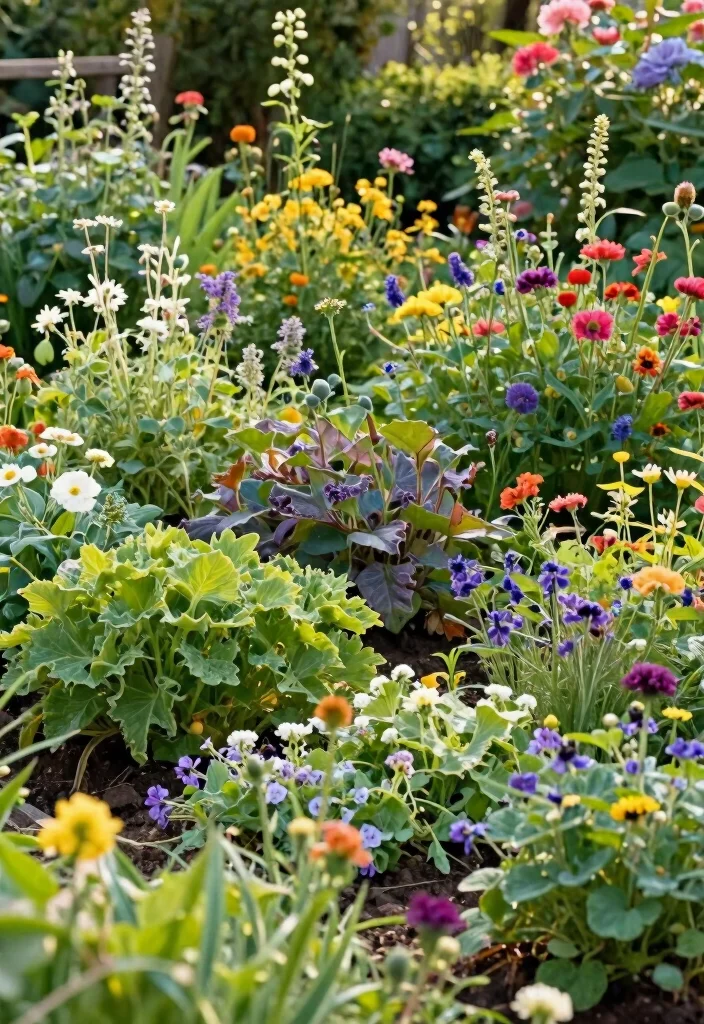
Ready to transform your garden into an edible paradise? The edible landscaping layout merges beauty with functionality! This innovative design integrates vegetables, fruits, and flowers into your existing garden, blurring the lines between ornamental and edible.
Choose beautiful plants that produce edible fruits or flowers, creating a stunning yet productive space. For instance, kale can serve as a striking backdrop while colorful cherry tomatoes add pops of brightness. This layout maximizes your yield while enhancing your outdoor space’s overall charm.
When planning, consider the heights and colors of your plants to create visual harmony. Your garden will not only provide delicious produce but also serve as a delightful escape to enjoy nature.
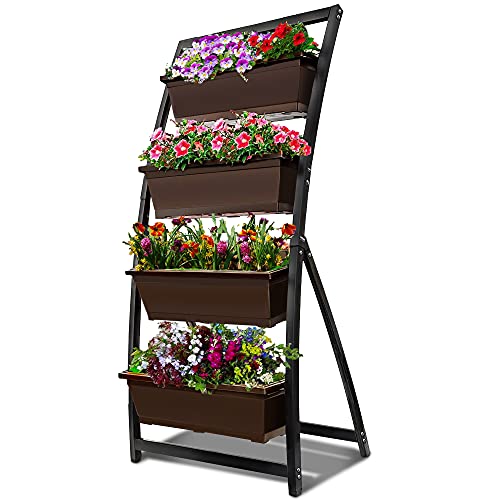
✓ EASY TO ASSEMBLE w/ PERFECT TIGHT SPACE SOLUTION - with easy to follow instructions included, the assembly of your garden planters will be quick and simple. Each hanging plastic box container is 27"; provides adequate room for your plants without wasting precious space in a small apartment, balcony, or any outside area. Grow a variety of herbs, seeds, flowers, succulents, or vegetables in just a single area at home.
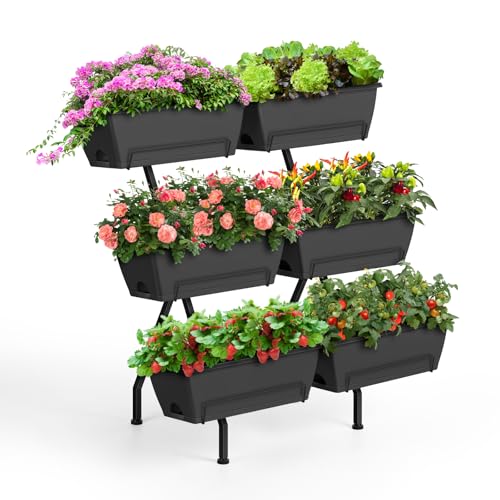
【Space-Saving Vertical Garden System】 Six stackable planters transform tight spaces into lush gardens – perfect for urban balconies, small patios, or indoor greenery. Strategically alternate herbs, flowers and vegetables across tiers to create your perfect mini ecosystem.
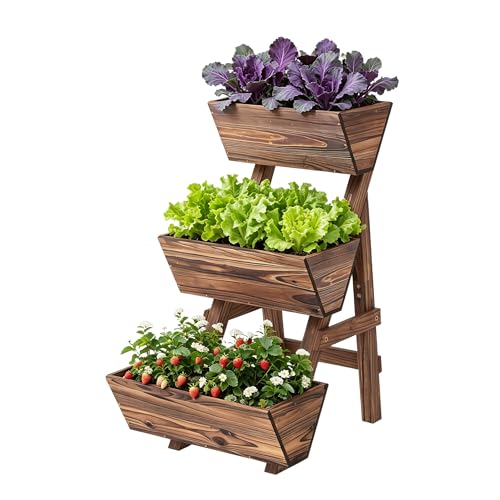
【Space-Saving 3-Tier Design】: The 3-tier planter box design will not take up too much floor space, which can separate and organize the sections as well as grow different kinds of plants. The trapezoidal design allows all plants to enjoy full sunlight for better growth. The box bottom of each tier is equipped with drainage holes to help drain excess water and prevent root rot
10. Herb Spiral Design
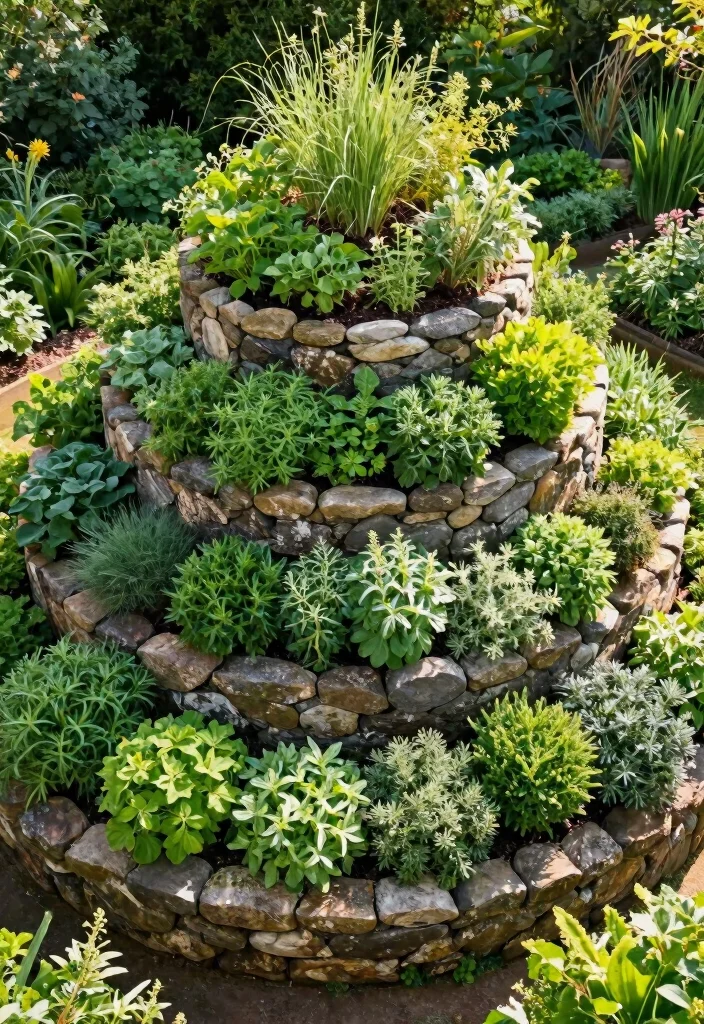
Looking to grow a variety of herbs in a compact space? The herb spiral design is an exciting solution! This layout resembles a spiral or helix, optimizing space while creating microclimates for different herbs.
The higher areas of the spiral provide warmth and dryness, ideal for Mediterranean herbs like rosemary, while the lower sections retain moisture for herbs like mint and parsley. This design maximizes yields and encourages biodiversity in your garden.
To build your herb spiral, you can use stones, bricks, or wood. Consider adding decorative touches like mosaics to enhance the visual appeal. This unique structure not only serves a practical purpose but also adds artistic flair to your gardening space.
11. Straw Bale Garden Layout
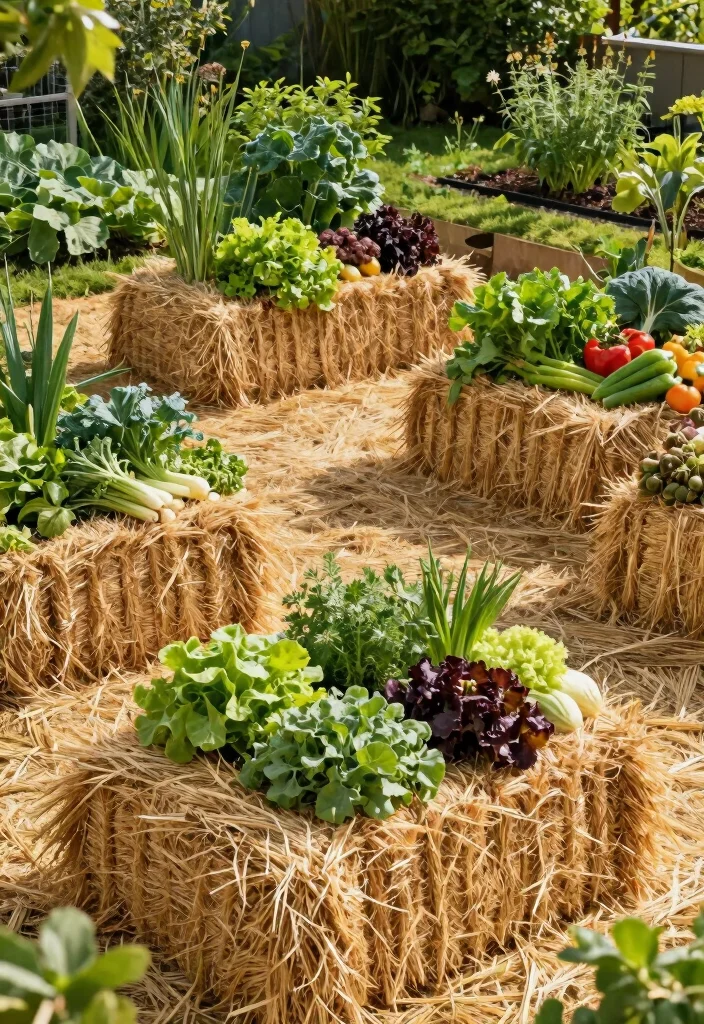
Want a unique and eco-friendly gardening approach? A straw bale garden layout might be just what you need! This innovative method uses straw bales as a growing medium, offering a nutrient-rich environment for your plants.
As the bales decompose, they enrich the soil, making it a great option for those with poor soil quality. You can plant directly into the sides of the bales, maximizing your yield while creating a visually appealing setup.
As the bales break down, they create warmth for your plants while requiring less water. Keep an eye on moisture levels since straw can dry out quickly. This layout not only looks unique but also offers a sustainable gardening solution.
12. Raised Bed with Drip Irrigation
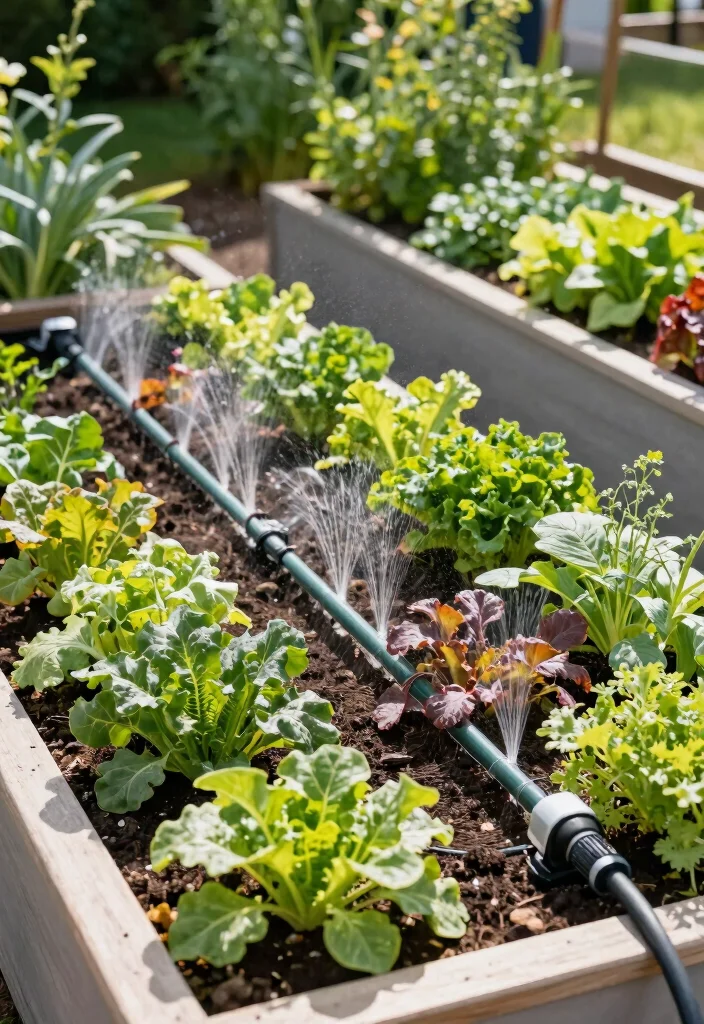
Are you tired of the hassle of watering your garden? A raised bed with a drip irrigation system can change the game! This layout ensures your plants receive consistent moisture, promoting healthy growth while conserving water.
Drip irrigation delivers water directly to plant roots, reducing evaporation and runoff. This method is especially beneficial for raised beds, allowing you to tailor watering based on each plant’s needs, saving both time and resources.
Setting up a drip irrigation system is straightforward with materials available at your local garden store. Be sure to check for leaks and ensure proper water distribution. This efficient technique allows you to spend more time enjoying your garden instead of maintaining it.
13. Succulent and Cacti Square Foot Layout
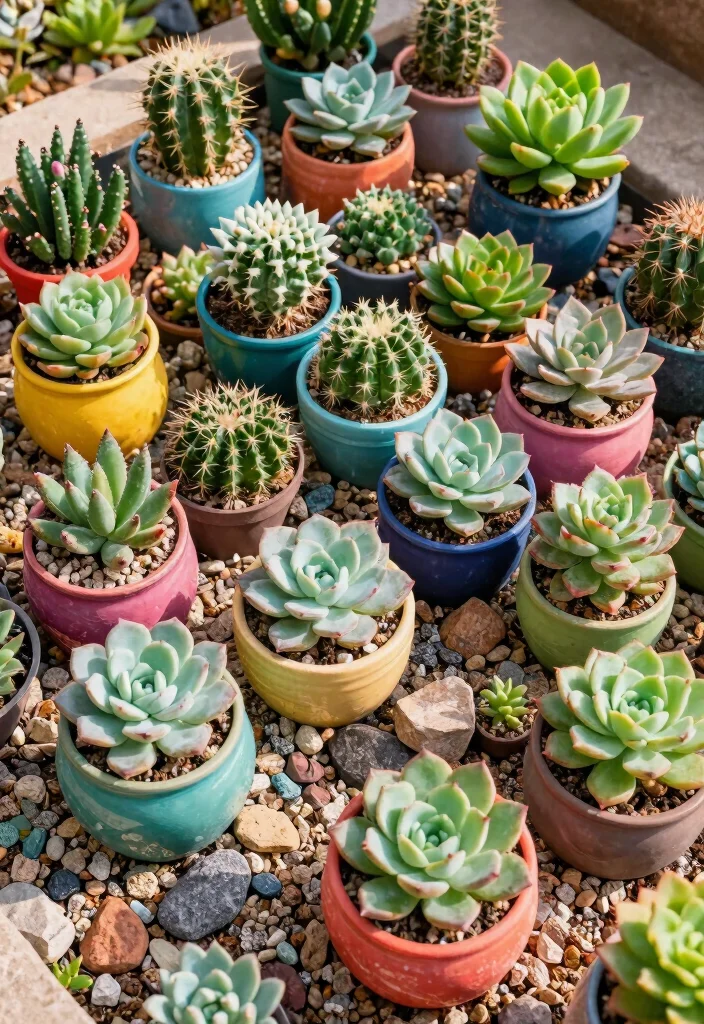
Looking for a low-maintenance gardening option? Consider a square foot layout dedicated to succulents and cacti! This design is perfect for compact spaces, as these resilient plants require minimal care while offering stunning visuals.
Arranging succulents and cacti in a square foot layout creates a colorful and diverse display. You can mix different species, showcasing their unique textures and colors. With proper drainage and sunlight, these hardy plants can thrive beautifully in a limited area.
Enhance the look by using decorative stones or gravel as a base, which complements the plants perfectly. Using an assortment of pots adds visual interest and personal touches to your garden, making it not just a garden but a statement piece.
14. Mixed Vegetable and Flower Bed
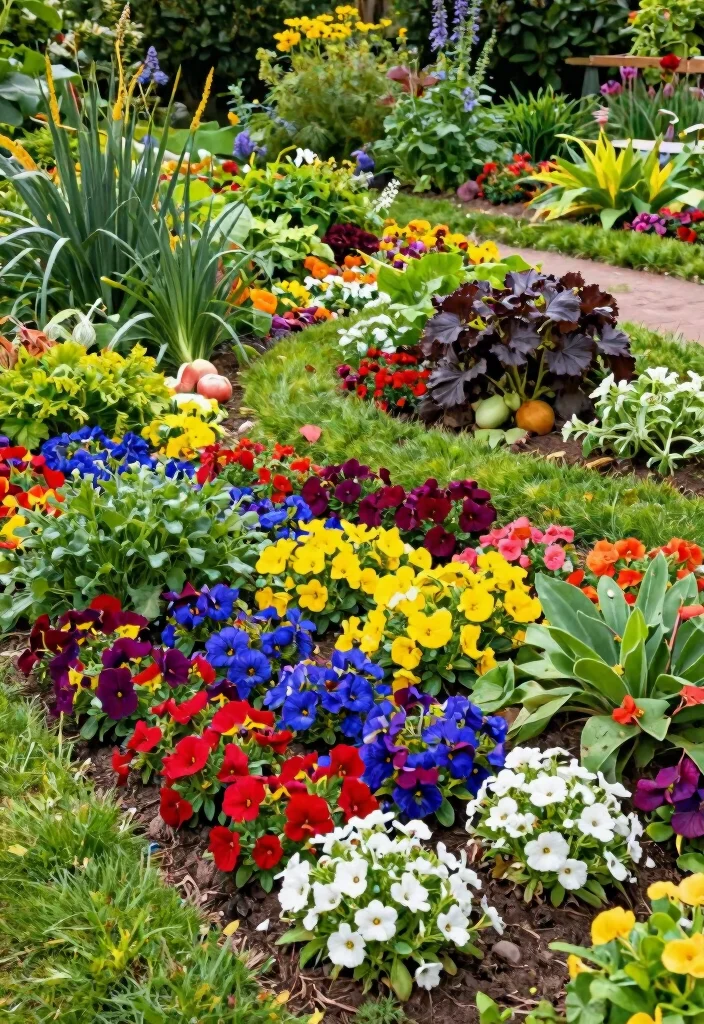
Want to create a garden that’s both beautiful and functional? A mixed vegetable and flower bed combines the best of both worlds! This layout allows you to grow culinary delights while adding vibrant colors to your space.
Incorporating flowers like nasturtiums or marigolds alongside vegetables attracts beneficial insects that help pollinate your plants. You can create pathways through your bed, weaving between the plants for easy access to your harvests. This design enhances biodiversity while maximizing your garden’s yield.
When planning your mixed bed, pay attention to plant heights and colors for a harmonious appearance. This delightful blend will make your garden a stunning and productive retreat.
15. Seasonal Rotation Plan
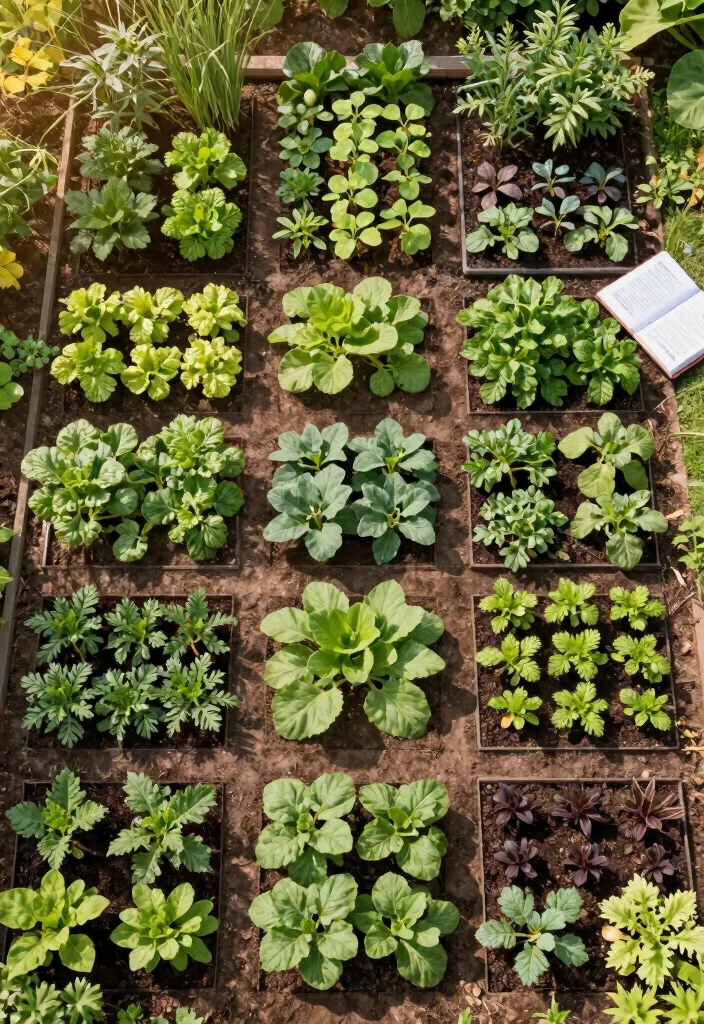
Looking to boost your garden’s yields? A seasonal rotation plan can work wonders! This technique involves changing what you grow in each square foot every season, maintaining soil health and nutrient levels.
By rotating crops, you can prevent soil depletion while reducing pests and diseases. For example, plant heavy feeders like tomatoes in one season and follow with lighter feeders like lettuce next. Establishing a rotation plan helps you keep track of planting schedules, ensuring sustainable growth.
Consider keeping a gardening journal to record what you plant each season. This will make planning for future gardens simpler and more efficient!
16. Greenhouse Raised Bed Layout
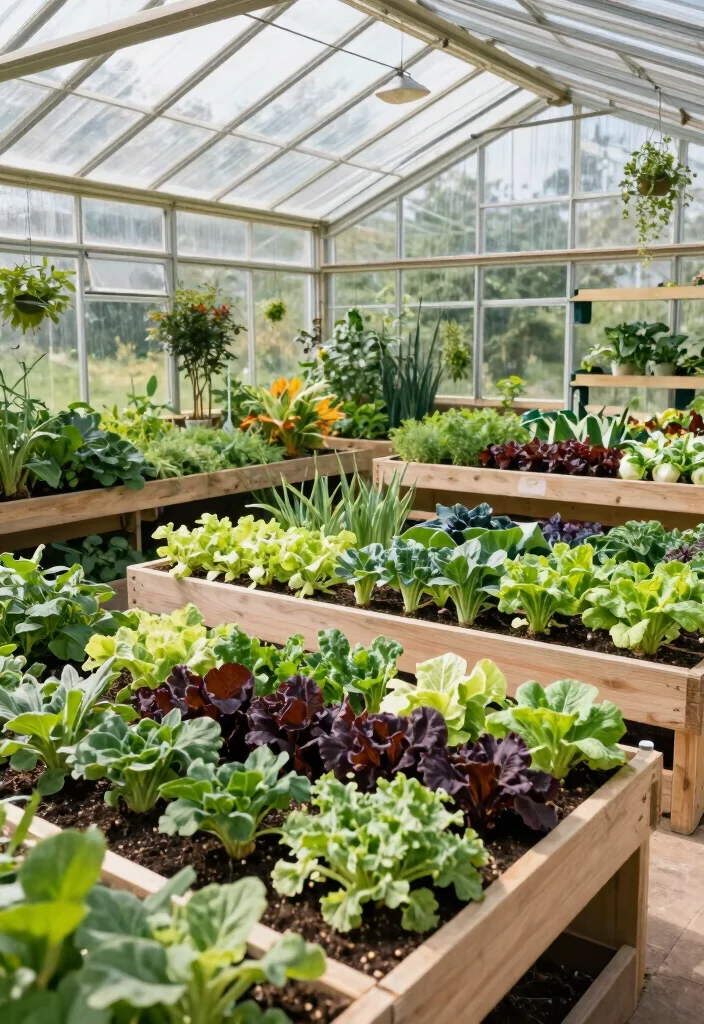
Do you want to grow plants year-round? A greenhouse raised bed layout could be your perfect solution! This setup allows you to cultivate a variety of plants regardless of external weather conditions.
By incorporating raised beds within your greenhouse, you optimize space while creating a controlled environment for your plants. This layout allows for experimentation with different growing conditions and extends your growing season significantly.
Select heat-retaining materials for your raised beds to help regulate temperature. This layout is not only productive but also visually appealing, providing a stunning backdrop for your vibrant plants. Adding benches or shelves can further enhance your growing capacity, making your gardening possibilities nearly limitless!
17. Community Garden Layout
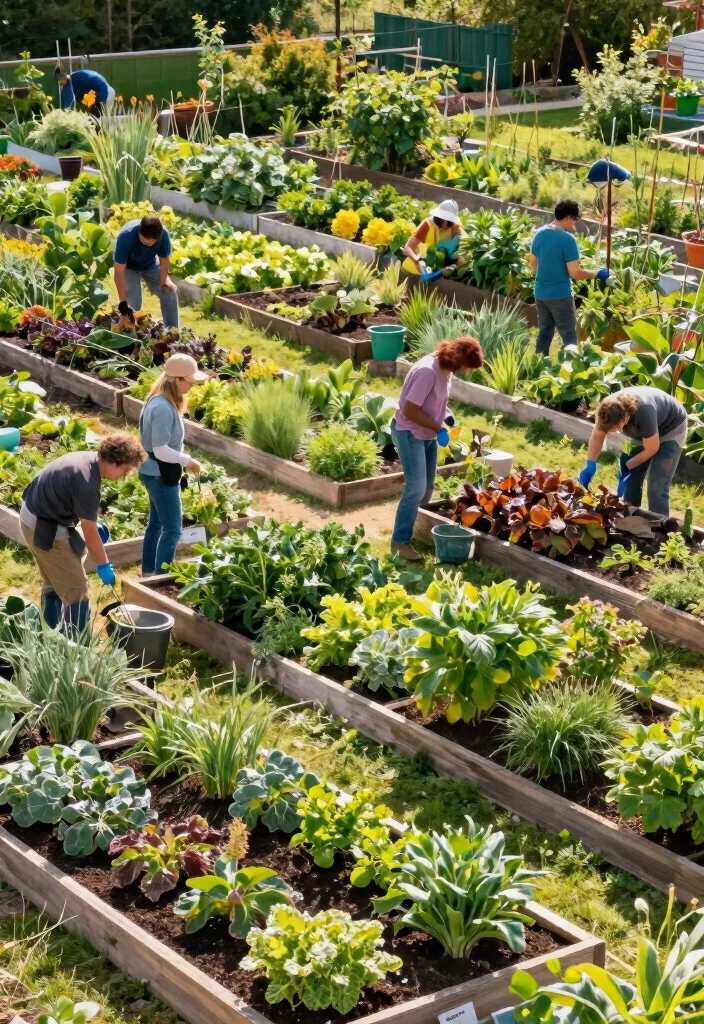
Thinking of a way to connect with fellow gardening enthusiasts? Consider joining or starting a community garden! This approach allows you to share resources, knowledge, and space while cultivating your love for gardening.
In a community garden, square foot gardening principles can be applied on a larger scale, promoting collaboration and sustainable practices. Each participant manages their own section while contributing to the overall beauty and productivity of the garden.
Organizing a community garden involves planning for pathways, communal spaces, and shared responsibilities. It’s a fantastic way to make new friends while growing fresh produce together, celebrating the fruits of your collective labor!
Fun fact: In a community garden using square foot gardening layout raised beds, neighbors share tools and harvests, cutting waste and trips to the store by 30% for busy folks. Collaborative plots turn small spaces into practical, plentiful yields.
Conclusion
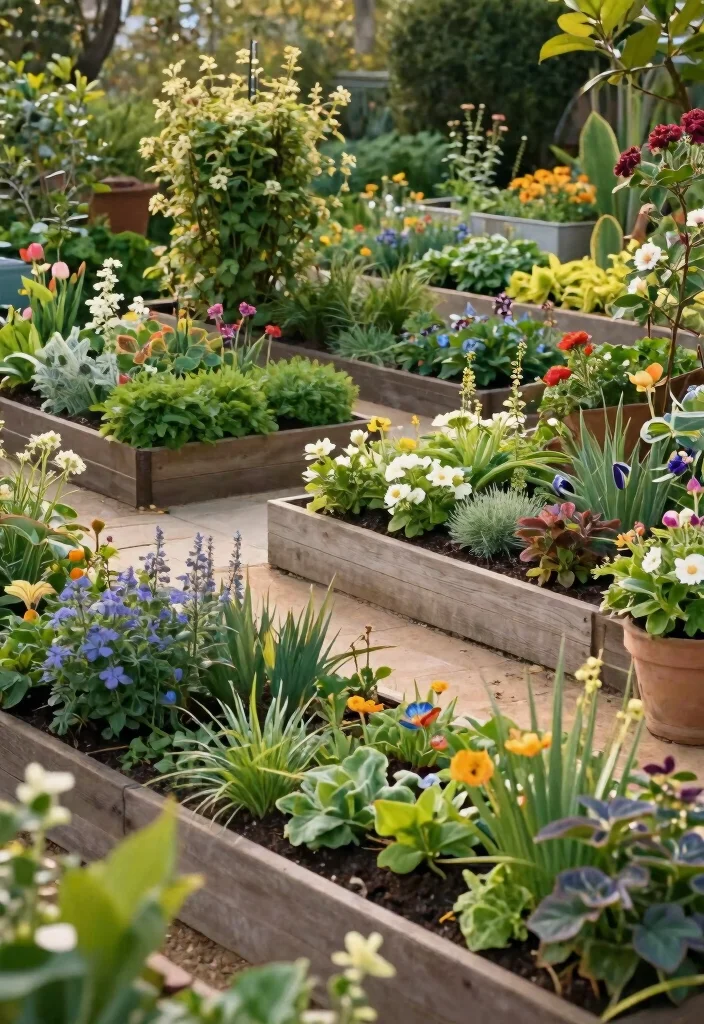
With these 17 creative square foot gardening layout ideas, you can truly maximize your yield while transforming your space into a garden paradise. Whether you have a balcony, a backyard, or a shared community plot, there’s a layout here that can suit your needs and style.
Explore the possibilities of raised beds and efficient gardening techniques to cultivate fresh produce and beautiful plants. Gardening in small spaces has never been more exciting! Embrace the beauty and bounty of your garden.
Note: We aim to provide accurate product links, but some may occasionally expire or become unavailable. If this happens, please search directly on Amazon for the product or a suitable alternative.
This post contains Amazon affiliate links, meaning we may earn a small commission if you purchase through our links, at no extra cost to you.
Frequently Asked Questions
What is the 17 Square Foot Gardening Layout Raised Beds for Maximum Yield, and how do raised beds maximize yield?
Think of it as a compact, grid-based approach where every square foot counts. The 17 Square Foot Gardening Layout Raised Beds for Maximum Yield lets you mix leafy greens, herbs, roots, and a small vertical plant in a tight space. Raised beds warm faster, drain better, and reduce soil compaction, making maintenance easier and yields higher.
To maximize yield: plan a simple grid (a 4×4 footprint equals 16 sq ft with one extra square for succession), add a raised bed gardening setup, group crops by harvest time using square foot gardening layout raised beds, and use vertical supports (trellises) to extend productive space. Finish with a quality soil mix, consistent watering, and light crop rotation for continued harvests.
How can I plan a vegetable garden layout for a small space using vertical square foot gardening?
Start by surveying your space for sun, shade, and accessibility, then sketch a 17 sq ft vegetable garden layout that fits your footprint. Use a grid so each square foot is a planting zone, and reserve vertical space for climbers like beans or cucumbers. Pick crops that fit the small space gardening style, such as compact lettuce, spinach, radishes, peppers on a trellis, and herbs in between. Keep the layout modular so you can swap in succession crops as harvests end.
Practical steps: 1) mark the grid on the bed, 2) assign quick-harvest crops to early squares, 3) dedicate a vertical section for climbers, 4) plan irrigation and mulching, 5) note a simple crop rotation plan. This is a smart, efficient way to maximize yield in a limited area.
What are the best plants for a 17 Square Foot Raised Bed to maximize yield?
Go for a mix of fast-growers, compact varieties, and vertical climbers to squeeze the most from 17 sq ft. Great choices include leafy greens (lettuce, spinach, kale), radishes, and other quick harvest crops in several squares. Add bush beans or peas for high yield per square and a few compact tomatoes or peppers trained on a trellis. Don’t forget herbs like basil or cilantro to fill gaps and boost flavor. Use dense, space-efficient plantings and crop rotation to keep soil happy and productivity high, all within the square foot gardening layout raised beds.
What tools and materials do I need for a vertical square foot garden in a tiny space?
You don’t need a lot to get started. Gather: raised bed gardening frames or boards to create your bed, a high-quality soil mix (a blend of compost, topsoil, and organic matter), a simple grid (1 sq ft per square), and vertical supports like trellises or mesh for climbers. Add mulch to retain moisture, a drip irrigation kit or watering can for efficient watering, plant supports, and starter plants or seeds. Optional but helpful: landscape edging, weed barrier, and a basic trellis plan to maximize vertical space—your urban gardening ideas in action.
How do I maintain soil health and productivity in a 17 Square Foot square foot gardening layout raised beds?
Maintain soil health with regular organic inputs and smart watering. Start with a rich soil mix and top it off with compost each season. Mulch to conserve moisture and suppress weeds, and water with a drip system to avoid overwatering. Practice simple crop rotation within the 17 sq ft, reassigning squares each season to protect soil nutrients. Incorporate succession planting so every square foot stays productive, and monitor for pests with natural controls. With efficient gardening techniques and careful planning, your square foot gardening layout raised beds will stay productive season after season.
Related Topics
square foot gardening
raised bed gardening
urban gardening
small space gardening
vegetable garden layout
efficient gardening
beginner friendly
DIY gardening
compact gardens
max yield gardening
sustainable gardening
vertical gardening